

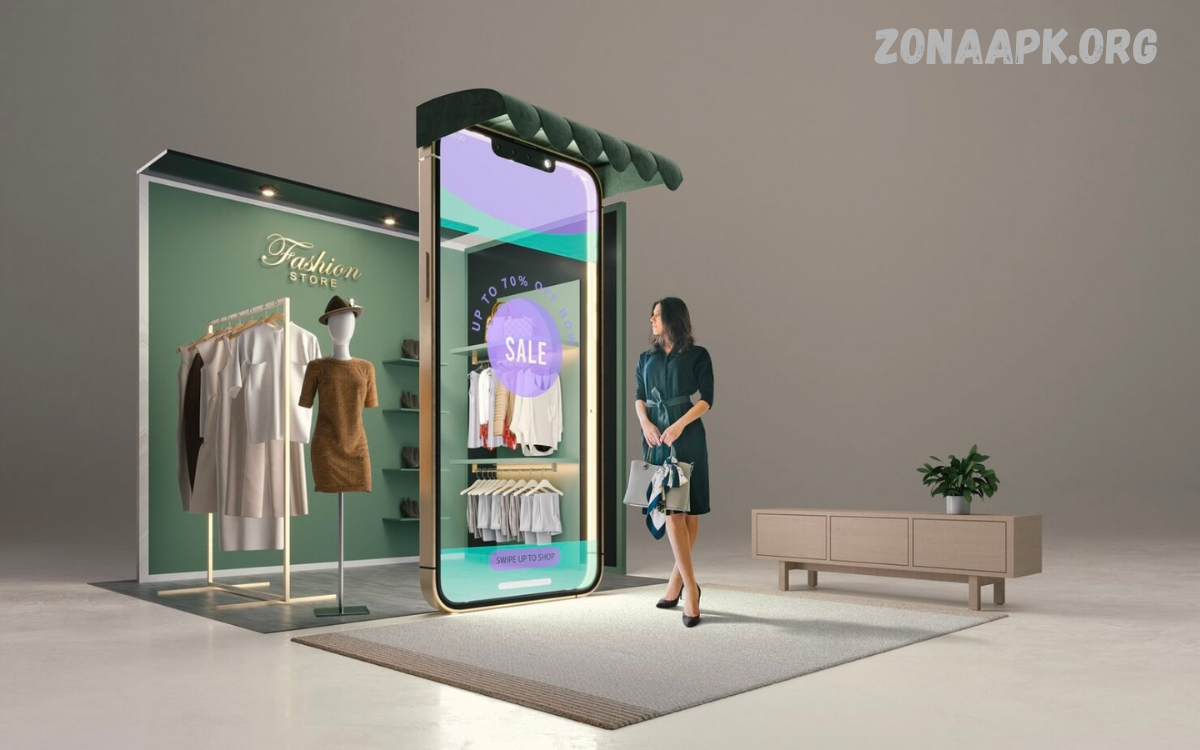
Online fashion stores represent a transformative force within global retail ecosystems. Digital commerce expansion reshaped apparel consumption patterns, brand strategies, supply chain operations, customer engagement models, pricing structures, and marketing frameworks. Fashion retail once relied heavily upon physical storefronts, seasonal catalogs, regional availability, and limited consumer data.
Modern consumers increasingly prefer online fashion stores due to convenience, variety, pricing transparency, and accessibility. Industry professionals recognize digital fashion commerce as essential infrastructure rather than a supplementary sales channel.
Definition And Scope Of Online Fashion Stores
Online fashion stores operate as digital retail platforms offering apparel, footwear, accessories, beauty products, and lifestyle items through web-based or mobile commerce systems. These platforms serve multiple segments, including luxury fashion, fast fashion, modest fashion, streetwear, athleisure, formal wear, and customized apparel.
Online fashion stores function under diverse ownership structures:
- Direct-to-consumer brand platforms
- Multi-brand digital marketplaces
- Designer-curated fashion hubs
- Subscription-based fashion services
- Social commerce fashion platforms
Each format supports different pricing strategies, inventory management models, customer engagement tactics, and revenue optimization approaches.
Evolution Of Online Fashion Stores
Early Digital Retail Phase
Initial online fashion stores emerged during the early phases of internet commerce adoption. Product images lacked high resolution. Payment systems faced trust barriers. Logistics infrastructure remained underdeveloped. Customer confidence remained limited.
Despite limitations, early adopters established foundations for scalable digital fashion retail models.
Mobile Commerce Acceleration
Smartphone penetration accelerated the growth of online fashion stores. Mobile-first design principles improved browsing experience, checkout speed, and engagement metrics. Fashion discovery shifted toward social platforms, visual storytelling, and influencer-driven campaigns.
Mobile commerce integration transformed online fashion stores into lifestyle engagement ecosystems rather than transactional platforms.
AI-Driven Retail Expansion
Advanced analytics, artificial intelligence, and machine learning algorithms revolutionized online fashion stores. Personalized product recommendations, predictive sizing, demand forecasting, dynamic pricing, and inventory optimization became core capabilities.
Modern online fashion stores operate as data-centric systems rather than static catalogs.
Business Models Within Online Fashion Stores
Direct-To-Consumer Fashion Stores
Direct-to-consumer online fashion stores eliminate intermediaries, enabling brands to control pricing, branding, customer data, and supply chains. Cost efficiency improves margins. Customer relationships strengthen.
Benefits include faster product launches, targeted marketing, real-time feedback integration.
Marketplace Fashion Platforms
Marketplace-based online fashion stores aggregate multiple sellers, brands, and designers. Platforms monetize through commissions, advertising placements, and premium services.
Marketplaces offer a wide variety, competitive pricing, scalable inventory, and a broad consumer reach.
Subscription Fashion Services
Subscription-based online fashion stores deliver curated apparel selections on recurring schedules. Algorithms analyze style preferences, lifestyle data, and purchase history.
This model enhances customer lifetime value, predictability, and the accuracy of inventory planning.
Luxury Online Fashion Stores
Luxury online fashion stores emphasize exclusivity, premium storytelling, craftsmanship presentation, and concierge-level service. Digital luxury adoption expanded significantly through enhanced visual presentation, virtual try-ons, and private client engagement tools.
Key Advantages Of Online Fashion Stores
Global Accessibility
Online fashion stores eliminate geographic boundaries. Brands reach international markets without physical expansion costs. Consumers access global fashion trends regardless of location.
Convenience And Time Efficiency
Consumers browse, compare, and purchase products without physical travel. 24/7 availability aligns with modern lifestyle demands.
Extensive Product Variety
Online fashion stores provide broader assortments than physical stores. Inventory space expands virtually. Niche styles gain visibility.
Data-Driven Personalization
Personalized recommendations improve conversion rates, satisfaction levels, and retention metrics. Data insights guide merchandising strategies.
Pricing Transparency
Online fashion stores enable price comparison, promotional visibility, and discount optimization. Consumers make informed decisions.
Read Also: Best Photo Editing Apps for Android Users
Consumer Behavior Within Online Fashion Stores
Discovery-Driven Shopping
Fashion discovery increasingly occurs through visual platforms, search engines, and social commerce. Online fashion stores integrate inspirational content, lookbooks, and trend guides.
Reviews And Social Proof
Customer reviews, ratings, and user-generated content strongly influence purchasing decisions. Trust signals remain essential conversion drivers.
Value Sensitivity
Consumers balance quality expectations with pricing sensitivity. Promotions, bundles, and loyalty programs influence purchase timing.
Sustainability Awareness
Ethical sourcing, transparency, and eco-friendly packaging influence brand preference. Online fashion stores increasingly highlight sustainability credentials.
Technology Powering Online Fashion Stores
Artificial Intelligence
AI supports personalization engines, chatbot assistance, inventory forecasting, fraud detection, and trend analysis.
Augmented Reality
Virtual try-on technology reduces return rates, enhances confidence, and improves the overall experience.
Blockchain Integration
Blockchain improves supply chain transparency, authenticity verification, and sustainability tracking.
Cloud Commerce Infrastructure
Scalable cloud systems support traffic spikes, seasonal demand, and global operations.
Logistics And Supply Chain Management
Efficient logistics represent a critical success factor for online fashion stores. Core components include:
- Warehousing automation
- Inventory synchronization
- Cross-border shipping optimization
- Returns management systems
- Last-mile delivery partnerships
Return management efficiency significantly affects profitability, as fashion retail experiences high return rates.
Marketing Strategies Used By Online Fashion Stores
Search Engine Optimization
SEO enables organic visibility for online fashion stores. Keyword optimization, content marketing, and technical performance influence rankings.
Influencer Marketing
Influencer partnerships drive credibility, trend adoption, and brand awareness.
Social Commerce
Integrated shopping features within social platforms reduce friction between discovery and purchase.
Email And Loyalty Programs
Retention strategies improve lifetime value through targeted communication and personalized incentives.
Challenges Facing Online Fashion Stores
High Return Rates
Sizing inconsistencies, fit expectations drive returns, increasing operational costs.
Intense Competition
Low entry barriers intensify competition. Differentiation requires strong branding, experience design, and operational excellence.
Cybersecurity Risks
Payment security and data privacy remain critical components of trust.
Sustainability Pressure
Fast-fashion criticism demands responsible sourcing and waste-reduction strategies.
Role Of Sustainability In Online Fashion Stores
Sustainability transitioned from a marketing feature to an operational necessity. Online fashion stores increasingly adopt:
- Ethical labor sourcing
- Recycled materials
- Carbon-neutral shipping
- Circular fashion initiatives
Transparent sustainability communication enhances brand equity.
Regional Growth Patterns
Developed Markets
High smartphone penetration, logistics maturity, and disposable income drive strong adoption.
Emerging Markets
Mobile commerce growth, expanding internet access, and young demographics are fueling the rapid expansion of online fashion stores.
Localized payment solutions, cultural alignment, and logistics partnerships support successful market entry.
Future Trends Shaping Online Fashion Stores
Hyper-Personalization
Advanced data modeling delivers individualized shopping journeys.
Virtual Fashion
Digital apparel for virtual environments expands the definition of fashion beyond physical garments.
Omnichannel Integration
Seamless integration between online fashion stores and physical retail enhances convenience.
AI-Generated Design
Predictive design tools optimize trend alignment and reduce waste.
Strategic Recommendations For Businesses
Professionals entering the online fashion store sector should prioritize:
- Scalable technology infrastructure
- Brand differentiation clarity
- Customer experience optimization
- Data-driven decision frameworks
- Sustainable operations
Long-term success requires balancing creativity with operational discipline.
Frequently Asked Questions
What are online fashion stores?
Online fashion stores are digital retail platforms that sell clothing, footwear, and accessories via websites or mobile applications, enabling customers to shop remotely.
Why are online fashion stores popular?
Online fashion stores offer convenience, wide product variety, competitive pricing, and access to global fashion trends without physical store visits.
Are online fashion stores safe to shop at?
Reputable online fashion stores use secure payment gateways, data encryption, and verified customer reviews to ensure safe transactions.
How do online fashion stores handle sizing issues?
Most online fashion stores provide detailed size charts, fit guides, customer reviews, and flexible return or exchange policies.
Do online fashion stores offer better prices than physical stores?
Online fashion stores often provide better pricing due to lower operational costs, frequent promotions, and direct-to-consumer models.
Can online fashion stores deliver internationally?
Many online fashion stores offer international shipping, though delivery costs, customs duties, and delivery times vary by region.
Conclusion
Online fashion stores define the contemporary evolution of retail. Digital platforms transformed access to fashion, consumer empowerment, operational intelligence, and global connectivity. Businesses that adopt strategic digital frameworks, advanced technologies, and sustainability commitments position themselves competitively.
Consumers increasingly expect seamless, personalized, ethical, and efficient shopping experiences. Online fashion stores meeting these expectations achieve sustained growth, loyalty, and relevance.
