

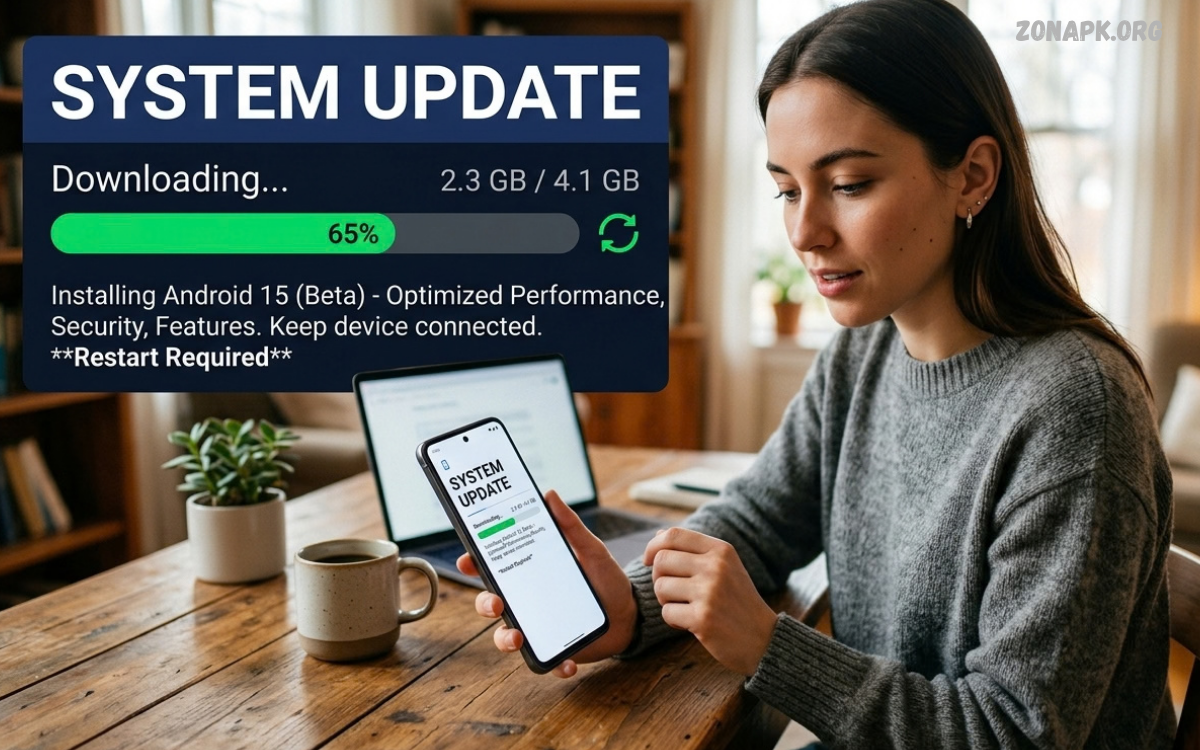
Smartphone Updates are software improvements released by phone manufacturers and operating system developers. These updates can introduce new features, improve device performance, fix software problems, and strengthen security.
Modern smartphones depend on software updates for continued functionality. Manufacturers may release major operating system upgrades, smaller feature updates, security patches, and stability improvements.
Why Smartphone Updates Matter
Smartphone Updates play an important role in maintaining device security. Security patches can address vulnerabilities discovered in the operating system, system applications, or supporting components.
Updates can also improve everyday performance. Manufacturers may optimize battery management, application behavior, connectivity, camera processing, system animations, and memory usage. A well-optimized update can make a compatible smartphone feel more stable without requiring new hardware.
Major Types of Smartphone Updates
Operating system upgrades represent one of the largest categories of Smartphone Updates. These releases can introduce redesigned interfaces, new privacy controls, improved multitasking, updated notifications, and expanded customization options.
Security updates are generally more focused. They address known vulnerabilities and security-related issues rather than introducing extensive visual changes. Monthly, quarterly, or periodic security releases can vary according to the manufacturer, device model, region, and software support policy.
Feature Updates for Modern Smartphones
Feature updates can add practical tools that change how users interact with their devices. Examples may include improved camera controls, enhanced accessibility options, smarter notifications, additional personalization settings, and new communication features.
Manufacturers may also introduce features based on newer technologies. Artificial intelligence, improved image processing, on-device translation, smarter search, and enhanced voice functions are becoming common areas of development.
Security Improvements in Smartphone Updates
Security is one of the most important reasons to install official Smartphone Updates. Software vulnerabilities can affect system components, applications, connectivity functions, and other services. Security patches address identified issues and strengthen the device against known threats.
Privacy improvements may also appear in system updates. New controls can give users greater visibility into application permissions, location access, notifications, files, microphones, and cameras. These changes can give users more control over how applications interact with personal information.
Performance Improvements
Performance optimization is another common purpose of Smartphone Updates. Developers analyze system behavior and identify areas where software can use processing power, memory, storage, or battery resources more efficiently. An update may therefore improve responsiveness without changing the phone’s physical components.
Performance results can vary between devices. Older smartphones may receive updates that focus primarily on security and stability, while newer models may receive additional features and deeper optimization. Available improvements depend on the manufacturer’s software design and the hardware capabilities of each model.
Battery Optimization
Battery behavior can change after a software update because operating systems continually improve background activity management. Developers may adjust how applications run when they are not actively being used. These changes can help manage power consumption under supported conditions.
Users should also understand that battery behavior immediately after an update may not represent long-term performance. The system can perform background tasks such as application optimization, indexing, and data processing after installation. Battery performance may stabilize after these activities finish.
Camera Improvements
Smartphone cameras increasingly depend on software for image processing. Smartphone Updates can improve exposure processing, autofocus behavior, noise reduction, portrait effects, video stabilization, and computational photography. These improvements can enhance results without changing the physical camera sensors.
Camera updates may also introduce additional shooting modes or controls. Depending on the device, users could receive improvements for night photography, video recording, portrait photography, or image editing. Hardware limitations still determine which camera capabilities can be supported.
Display and User Interface Changes
System updates can change the visual appearance of a smartphone. Interface adjustments may include redesigned menus, updated icons, improved animations, new widgets, and revised quick settings. These changes are generally intended to make navigation more consistent and intuitive.
Display-related improvements can also affect refresh-rate management, brightness behavior, color settings, and accessibility. However, software cannot create physical display capabilities that a device does not support. Hardware specifications remain important when evaluating the practical benefits of an update.
Connectivity Improvements
Connectivity is another area affected by Smartphone Updates. Developers may improve Wi-Fi stability, Bluetooth compatibility, mobile network behavior, hotspot functionality, and communication between connected devices. Such improvements can resolve problems that previously appeared during everyday use.
Network-related updates can depend on both software and carrier support. A smartphone may receive improved compatibility with certain network technologies, but availability depends on the device, region, carrier, and supported network infrastructure. Users should therefore check official information for their specific model.
Application Compatibility
Smartphone Updates help maintain compatibility with newer applications. Developers frequently build apps around current operating system capabilities and security standards. Older system versions can eventually lose support for newer applications or features.
Updating the operating system can therefore help users continue receiving application improvements. However, an application may also require hardware capabilities that older smartphones do not have. Software compatibility and hardware compatibility are separate factors.
How to Check for Smartphone Updates
Most modern smartphones include a dedicated software update section inside system settings. Users can open the device settings and look for options such as Software Update, System Update, or similar terminology. The exact location varies between manufacturers and operating system versions.
Before starting a major update, users should check available storage and battery level. A stable Wi-Fi connection can also be useful for downloading larger packages. Important personal information should be backed up regularly so that valuable data remains protected if an unexpected problem occurs.
Automatic Smartphone Updates
Automatic updates allow supported devices to download and install software with minimal manual interaction. This feature can help users receive important security patches without repeatedly checking the settings menu. Automatic installation behavior differs between manufacturers and software versions.
Users who prefer greater control can often adjust update settings. Depending on the device, options may include automatic downloads, scheduled installations, or notifications before installation. Keeping automatic security updates enabled can be useful when the device supports reliable update management.
Smartphone Updates and Storage Space
Major updates can require additional temporary storage during installation. The downloaded update package may occupy space before installation, while the system may also need additional working space during the upgrade process. Devices with very limited free storage can encounter installation difficulties.
Removing unnecessary files, unused applications, and duplicate media can help create sufficient storage. Cloud backup or external storage can also help manage large personal files. Users should avoid deleting system files unless they understand their purpose.
Smartphone Updates and Older Devices
Older smartphones may receive fewer updates than newer models. Manufacturers establish software-support policies based on product generation, hardware capabilities, security requirements, and development resources. Some devices receive major operating system upgrades for several years, while others receive only security patches.
Users considering a new smartphone should therefore examine the manufacturer’s update policy before purchasing. The length and frequency of software support can affect the long-term value of a device. A phone with dependable update support can remain useful for a longer period.
Smartphone Updates and New Hardware
New hardware can enable software features that older devices cannot support. Advanced processors, specialized AI components, improved cameras, modern displays, and updated connectivity hardware can provide capabilities that software alone cannot reproduce on older models.
For this reason, Smartphone Updates should not be considered a replacement for hardware upgrades in every situation. Software can improve existing capabilities, but physical components establish important limits. Manufacturers often provide different feature sets depending on the hardware inside each model.
Artificial Intelligence in Smartphone Updates
Artificial intelligence has become an important part of modern smartphone software. Updates may introduce AI-powered writing assistance, image editing, translation, search, transcription, personalization, and productivity features. Some functions can operate directly on the device, while others may depend on cloud-based services.
AI availability can vary considerably between devices. Processing requirements, memory capacity, regional availability, language support, and manufacturer policies can influence which features are provided. Users should check official device documentation for supported AI capabilities.
Privacy Features in Smartphone Updates
Privacy controls continue to evolve through system updates. Modern operating systems can provide additional controls for permissions, location information, application access, notifications, and personal files. These tools help users understand and manage application behavior.
Privacy improvements can also change how applications request sensitive permissions. Instead of providing unrestricted access, users may be able to grant limited or temporary permissions where supported. Reviewing application permissions after a major update can help users understand new settings.
Common Problems After Smartphone Updates
Most updates are designed to improve software, but users can occasionally experience temporary issues after installation. Examples may include unusual battery behavior, application compatibility problems, interface changes, or connectivity difficulties. Such issues can result from software changes or applications that have not yet adapted to the new system.
Restarting the smartphone and checking for application updates can resolve some temporary problems. If a significant issue continues, users should consult the manufacturer’s official support information. Installing unofficial software intended to modify system files can create additional risks.
How to Prepare for a Major Update
Preparation can make the update process smoother. Users should back up important photographs, contacts, documents, and other personal information before installing a major operating system upgrade. Sufficient battery charge and free storage are also important considerations.
It is helpful to review the update notes before installation. Release information can explain new features, security improvements, known limitations, and compatibility details. Understanding these changes gives users a clearer idea of what to expect after installation.
Smartphone Updates and Data Usage
Large system updates can consume significant internet data when downloaded through mobile networks. Using a trusted Wi-Fi connection can help avoid unexpected mobile data usage. Some smartphones provide settings that restrict automatic downloads when the device is not connected to Wi-Fi.
Users should also consider whether the update package is downloaded in the background. Automatic update settings may allow the device to download software without requiring immediate interaction. Reviewing update preferences can provide greater control over data usage.
Regional Availability of Smartphone Updates
Smartphone Updates are not always released simultaneously worldwide. Manufacturers can distribute software in stages based on region, model number, carrier requirements, testing, and infrastructure. Two users with similar smartphones may therefore receive the same update at different times.
Regional variations can also affect available features. Certain services may depend on local regulations, languages, carriers, or cloud infrastructure. Users should rely on official regional support pages for accurate availability information rather than assuming every feature is universal.
Read Also: Gemini AI: A Professional Guide to Google’s AI Assistant
Official Versus Unofficial Smartphone Updates
Official updates are distributed through trusted manufacturer or operating system channels. They are designed for specific devices and generally undergo compatibility and security testing. Users should use official update methods whenever possible.
Unofficial software can modify system behavior but may introduce security, stability, compatibility, or warranty concerns. Installing unknown packages can also expose personal information or damage system functionality. Users who want reliable Smartphone Updates should use the device’s built-in update system or official support channels.
How Smartphone Updates Affect User Experience
An update can change familiar menus, settings, and system behavior. Even improvements may require users to adjust because interface elements can move or receive new names. Reading release information can make the transition easier.
Users can explore updated settings after installation and review new privacy, battery, notification, and accessibility options. Taking a few minutes to understand changes can help users benefit from the new software instead of relying only on previous settings.
Smartphone Updates for Long-Term Device Support
Long-term software support has become an important consideration when evaluating smartphones. Regular security patches and operating system upgrades can extend the practical usefulness of a device. They can also help maintain compatibility with applications and modern services.
Update policies vary significantly among manufacturers and models. Buyers should review the promised support period, update frequency, and applicable model range before choosing a smartphone. This information can be especially relevant for people who intend to keep one device for several years.
What to Check Before Installing Smartphone Updates
Before installing a major update, users should check storage capacity, battery level, backup status, internet connectivity, and update details. These simple checks can reduce common installation problems and protect important personal information.
Users should also confirm that the update is intended for their exact smartphone model. Model variants can have different software packages, particularly across regions and carriers. Installing the wrong software manually can create serious compatibility problems.
What to Do After a Smartphone Update
After installation, users can restart the smartphone if required and allow the system to complete background optimization. Applications should also be updated through their official app marketplace when newer versions are available. This helps maintain compatibility with the newly updated operating system.
It is also useful to review important settings after a major upgrade. Battery controls, privacy permissions, notifications, connectivity preferences, and default applications can sometimes change. Checking these areas helps users maintain their preferred configuration.
Future Trends in Smartphone Updates
Future Smartphone Updates are likely to focus increasingly on artificial intelligence, security, privacy, connectivity, personalization, and device integration. Software developers are working toward more intelligent features that can perform useful tasks while requiring less manual interaction.
Another important trend is deeper integration between smartphones and other devices. Updates can improve connections between phones, tablets, computers, watches, earbuds, vehicles, and smart-home products. This broader software ecosystem can make devices work together more effectively.
Frequently Asked Questions
What are Smartphone Updates?
Smartphone Updates are software releases that improve security, performance, compatibility, stability, or functionality. They can include operating system upgrades, security patches, feature additions, and bug fixes.
How often should a smartphone be updated?
Users should install official updates when they become available for their device. Security updates are particularly important because they can address known software vulnerabilities and improve overall device protection.
Do Smartphone Updates improve battery life?
Some updates include battery-management improvements that can optimize background activity and power usage. However, results vary by device, software version, applications, battery condition, and usage habits.
Can Smartphone Updates improve camera quality?
Software updates can improve image processing, autofocus, stabilization, camera controls, and computational photography. However, software improvements cannot replace physical camera hardware limitations.
Why has my smartphone not received an update?
Updates can be released at different times depending on the model, region, carrier, manufacturer testing, and software-support policy. Checking the official support information for the exact model can provide more accurate details.
Should I back up my phone before updating?
Backing up important personal information is recommended before major system upgrades. A current backup can help protect photographs, contacts, documents, and other valuable data if an unexpected problem occurs.
Do Smartphone Updates use internet data?
Yes. System updates generally require downloading software packages, which can use internet data. Using a trusted Wi-Fi connection can help avoid unexpected mobile data consumption.
Can an old smartphone receive new updates?
Some older smartphones continue receiving security updates or operating system upgrades, while others eventually reach the end of their software-support period. Availability depends on the manufacturer and specific model.
Can updates make a smartphone slower?
Software changes can affect performance differently across devices. Manufacturers generally optimize updates for supported hardware, but older devices may experience different results depending on system requirements and hardware limitations.
Are automatic Smartphone Updates useful?
Automatic updates can make it easier to receive important software and security improvements without manually checking for new releases. Users can review their device’s automatic-update settings if they want more control over downloads and installation.
Conclusion
Smartphone Updates are an essential part of modern device ownership. They can provide security patches, performance improvements, new features, privacy controls, application compatibility, and system stability.
Understanding the different types of updates can also help users make informed decisions about their devices. Checking official release information, maintaining backups, keeping sufficient storage available, and using trusted update channels are practical steps for a smoother experience.

1 Comment
Pingback: Android Apps: A Complete Guide to Choosing and Using the Best Apps - Zonapk