

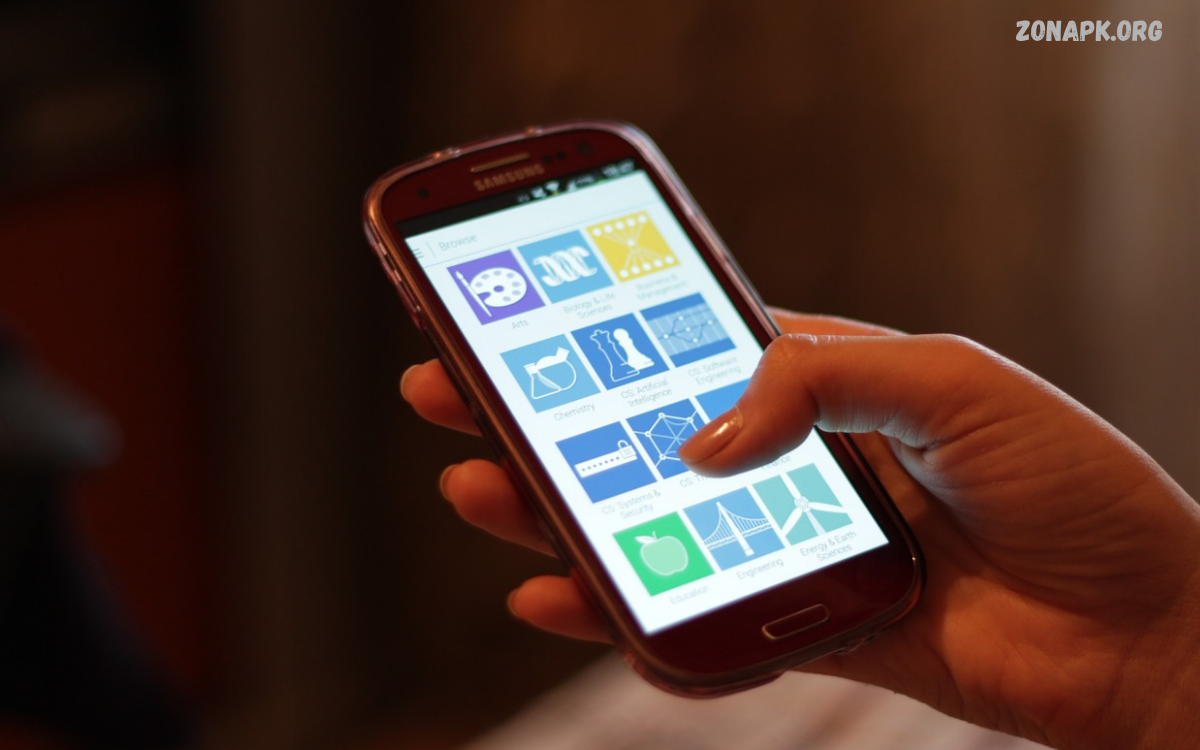
Mobile Technology has transformed the way people communicate, work, learn, shop, travel, and access digital services. Modern smartphones combine communication tools, powerful processors, high-resolution displays, advanced cameras, artificial intelligence, and fast internet connectivity in compact devices.
The rapid development of Mobile Technology continues to create new opportunities for individuals, businesses, developers, and organizations. From 5G networks and cloud services to AI-powered applications and connected devices, mobile innovation has become an important part of modern digital life.
What Is Mobile Technology?
Mobile Technology refers to the hardware, software, wireless networks, applications, and communication systems that allow users to access digital services through portable devices. Smartphones, tablets, wearable devices, mobile applications, and wireless communication networks are major components of this technology.
The primary purpose of Mobile Technology is to provide convenient access to information and services without requiring a fixed location. Users can communicate, browse websites, manage documents, use applications, stream content, and complete many digital tasks through connected mobile devices.
Evolution of Mobile Technology
The history of Mobile Technology began with basic mobile communication devices designed mainly for voice calls. Early mobile phones were larger, had limited battery capacity, and provided fewer functions compared with modern smartphones. Improvements in network infrastructure gradually expanded mobile communication capabilities.
The introduction of smartphones created a major shift in the industry by combining communication, computing, photography, entertainment, and internet access in one device. Touchscreens, application stores, mobile browsers, GPS, and high-speed networks helped establish smartphones as essential digital tools.
Importance of Mobile Technology
Mobile Technology provides instant access to communication and digital information from almost any location with network coverage. Messaging applications, video calls, email services, social platforms, and collaboration tools allow people to remain connected across different locations.
Businesses also depend on mobile platforms for customer service, digital payments, marketing, remote work, sales, and operational management. Mobile access allows organizations to provide services more conveniently while giving customers faster ways to interact with products and services.
Major Components of Mobile Technology
Mobile Technology includes several interconnected components that work together to deliver a complete digital experience. These components include mobile hardware, operating systems, applications, wireless networks, processors, storage, sensors, cameras, batteries, and cloud-based services.
Each component has an important role in device performance and usability. A powerful processor can improve application performance, while efficient software can reduce resource consumption. Network technology determines how quickly devices exchange information with online services.
Smartphones and Mobile Technology
Smartphones are one of the most visible examples of modern Mobile Technology. Current smartphones can perform tasks that previously required computers, cameras, navigation systems, media players, and other dedicated devices.
Modern smartphones commonly include advanced processors, multiple cameras, biometric security, wireless charging, high-refresh-rate displays, GPS, Bluetooth, Wi-Fi, and 5G connectivity. Manufacturers continue improving these features to deliver faster performance and more efficient user experiences.
Mobile Operating Systems
Mobile operating systems provide the software foundation that allows smartphones and tablets to function. They manage hardware resources, applications, security features, connectivity, storage, notifications, and user interfaces.
Popular mobile platforms provide access to extensive application ecosystems containing productivity tools, games, communication services, educational applications, financial tools, and entertainment platforms. Regular software updates can also introduce new features and security improvements.
Mobile Applications
Mobile applications have become a central part of Mobile Technology because they provide specialized services through smartphones and tablets. Users can install applications for communication, banking, education, shopping, transportation, photography, productivity, entertainment, and many other purposes.
Developers use mobile application frameworks and programming technologies to create applications for different platforms. Modern applications can also use device features such as cameras, microphones, GPS, biometric sensors, notifications, and wireless connectivity.
Mobile Internet and Connectivity
Mobile internet enables users to access websites, applications, cloud platforms, social networks, streaming services, and online communication tools without relying on a fixed connection. Cellular networks have improved significantly as newer generations provide greater speed and capacity.
Wi-Fi, Bluetooth, NFC, and cellular connectivity work together to support different types of mobile communication. These technologies allow devices to connect with networks, accessories, payment systems, vehicles, smart home products, and other connected equipment.
4G and 5G Mobile Technology
4G networks significantly improved mobile internet performance by supporting faster browsing, video streaming, online gaming, and application services. The technology helped mobile devices become practical platforms for many activities that previously depended on wired internet connections.
5G extends these capabilities with higher potential speeds, improved network capacity, and reduced latency in suitable deployments. These improvements can support advanced applications involving cloud services, connected devices, real-time communication, industrial systems, and emerging digital technologies.
Artificial Intelligence in Mobile Technology
Artificial intelligence is increasingly integrated into smartphones and mobile applications. AI can support photography enhancements, voice recognition, translation, recommendations, security systems, text processing, and personalized application experiences.
On-device AI processing can allow certain tasks to run directly on smartphones rather than depending entirely on remote servers. This approach can improve responsiveness and may provide additional privacy benefits when sensitive processing remains on the device.
Mobile Technology and Photography
Smartphone photography has developed significantly through improvements in sensors, lenses, image processing, stabilization, and computational photography. Modern devices can combine hardware and software techniques to improve image quality in different lighting conditions.
AI-assisted photography can automatically identify scenes, adjust exposure, reduce noise, improve dynamic range, and enhance details. Mobile video capabilities have also expanded, giving users access to high-resolution recording, stabilization, slow motion, and advanced editing features.
Mobile Technology for Communication
Communication remains one of the most important applications of Mobile Technology. Smartphones allow users to make calls, exchange messages, participate in video meetings, send emails, and communicate through internet-based platforms.
Mobile communication has also changed how organizations operate. Employees can communicate with teams from different locations, access work platforms remotely, and participate in virtual meetings using mobile devices and wireless networks.
Mobile Technology in Education
Mobile devices provide students with access to digital learning resources, educational applications, online courses, electronic books, tutorials, and collaboration platforms. This flexibility can make learning resources available beyond traditional classrooms.
Teachers and educational organizations can use mobile platforms to distribute learning materials, communicate with students, conduct assessments, and provide additional resources. Responsible use of mobile devices can support flexible learning and access to information.
Mobile Technology in Business
Businesses use Mobile Technology to improve communication, customer engagement, sales, productivity, and service delivery. Employees can access business applications, company documents, communication platforms, and cloud services from mobile devices.
Mobile commerce has also become an important part of digital business. Customers can discover products, compare information, place orders, make payments, and communicate with businesses through smartphones, creating convenient digital purchasing experiences.
Mobile Payments and Digital Transactions
Mobile Technology has changed the way people complete many financial transactions. Smartphones can support digital wallets, contactless payments, banking applications, payment notifications, and account management tools.
Security technologies such as biometric authentication, encryption, tokenization, and device-level protections can help secure digital transactions. Users should still maintain strong account security and keep mobile operating systems and applications updated.
Mobile Technology and Cloud Computing
Cloud computing extends the capabilities of mobile devices by providing access to remote storage, applications, databases, and computing resources. Users can synchronize files, photos, contacts, and other information across supported devices.
Cloud services also reduce the need to store every resource locally. Mobile applications can connect to cloud platforms to deliver real-time information, collaborative features, backups, and personalized services across multiple devices.
Mobile Gaming Technology
Mobile gaming has become a major part of the digital entertainment industry. Modern smartphones provide powerful processors, graphics hardware, high-refresh-rate displays, responsive touch controls, and fast network connectivity for demanding games.
Online multiplayer games can connect users across different regions through cellular and Wi-Fi networks. Developers continue introducing improved graphics, interactive gameplay systems, cloud services, and social features to mobile gaming platforms.
Mobile Technology and Wearable Devices
Wearable devices extend Mobile Technology beyond smartphones. Smartwatches, fitness trackers, wireless earbuds, and other connected products can communicate with smartphones and online services.
These devices can provide notifications, communication features, navigation assistance, media controls, activity information, and other digital functions. Their development demonstrates how mobile ecosystems are expanding into connected personal devices.
Mobile Security
Mobile security is an essential part of modern Mobile Technology because smartphones often contain personal information, financial data, photographs, communications, and account credentials. Security systems help protect these resources from unauthorized access.
Common security measures include screen locks, biometric authentication, application permissions, encryption, secure updates, and account protection. Users should install applications from trusted sources and review permissions before granting access to sensitive information.
Privacy and Mobile Technology
Privacy has become increasingly important as mobile devices collect information through applications, sensors, location services, and online accounts. Understanding how applications use personal information can help users make informed decisions.
Mobile operating systems provide permission controls that allow users to manage access to features such as location, cameras, microphones, contacts, and files. Reviewing these settings regularly can help users maintain greater control over their digital information.
Read Also: Android Apps: A Complete Guide to Choosing and Using the Best Apps
Advantages of Mobile Technology
One major advantage of Mobile Technology is convenience. Users can access communication services, information, entertainment, productivity tools, and digital services through compact devices that can travel with them.
Mobile platforms can also improve accessibility and flexibility. Remote workers, students, businesses, creators, and consumers can use connected devices to complete tasks from different locations without depending entirely on traditional desktop systems.
Challenges of Mobile Technology
Mobile Technology also creates challenges involving security, privacy, device dependency, digital distraction, electronic waste, and unequal access to reliable connectivity. As mobile devices become more capable, protecting users and maintaining responsible digital habits becomes increasingly important.
Another challenge involves rapid hardware and software development. New technologies can make older devices less compatible with modern applications and services. Manufacturers and software developers therefore need to consider long-term support, security updates, repairability, and sustainability.
Mobile Technology and the Internet of Things
The Internet of Things connects physical devices to networks so they can exchange information and provide automated services. Smartphones can act as control centers for many connected products, including smart home equipment, vehicles, cameras, and other devices.
Mobile applications allow users to monitor and manage connected systems from different locations. As connectivity improves, Mobile Technology is expected to remain an important interface between people and increasingly connected environments.
Mobile Technology and Remote Work
Mobile devices support remote work by providing access to email, messaging platforms, cloud storage, project management tools, video meetings, and business applications. Employees can remain connected to teams while working away from traditional offices.
Modern mobile productivity tools can support document editing, scheduling, communication, file sharing, and collaboration. Businesses can combine smartphones with laptops, tablets, cloud platforms, and security systems to create flexible working environments.
Future of Mobile Technology
The future of Mobile Technology is expected to focus on artificial intelligence, faster connectivity, improved energy efficiency, advanced displays, stronger security, and deeper integration with connected devices. Manufacturers are also exploring new device designs and computing approaches.
Emerging technologies may make smartphones more context-aware and capable of handling complex tasks locally. Improvements in processors and AI systems could allow mobile devices to provide more personalized assistance while reducing dependence on remote computing for selected workloads.
Foldable and Flexible Mobile Devices
Foldable smartphones represent another direction in Mobile Technology. These devices use flexible display designs to provide larger screen areas while maintaining a portable form factor when folded.
As display technology, hinges, materials, and software interfaces improve, foldable devices may become more practical for users who want larger screens without carrying traditional tablet-sized hardware. Their development also encourages manufacturers to rethink mobile device design.
Sustainable Mobile Technology
Sustainability is becoming increasingly relevant as global demand for electronic devices grows. Manufacturers are exploring recycled materials, energy-efficient components, improved packaging, longer software support, and more responsible production methods.
Longer device lifespans can also reduce electronic waste by allowing users to keep hardware for extended periods. Repairability, battery replacement options, software support, and responsible recycling can contribute to more sustainable mobile technology ecosystems.
Mobile Technology for Everyday Life
Mobile Technology has become integrated into everyday activities such as navigation, communication, entertainment, shopping, education, photography, banking, and productivity. A single smartphone can provide access to numerous digital services throughout the day.
This integration demonstrates how mobile devices have evolved from simple communication tools into multifunctional computing platforms. Their value depends not only on hardware specifications but also on software quality, network availability, security, and user needs.
Choosing a Modern Mobile Device
When choosing a mobile device, users should consider performance, battery capacity, display quality, camera capabilities, software support, storage, connectivity, security, and overall usability. Specifications should be evaluated according to the tasks the device needs to perform.
Software support is particularly important because regular updates can provide security improvements and maintain application compatibility. Users should also consider build quality, repair options, accessory compatibility, and long-term reliability before purchasing a device.
Role of Mobile Technology in Digital Transformation
Mobile Technology supports digital transformation by helping organizations move services from traditional channels to connected digital platforms. Customers can interact with businesses through mobile applications, websites, digital payments, and communication systems.
Organizations can also use mobile tools to improve internal processes, collect information, support employees, and deliver services. As digital transformation continues, mobile access will remain an important part of how people interact with technology.
Frequently Asked Questions
What is Mobile Technology?
Mobile Technology includes portable devices, wireless networks, software, applications, and communication systems that allow users to access digital services while moving between locations.
Why is Mobile Technology important?
Mobile Technology provides convenient access to communication, information, entertainment, productivity tools, financial services, education, and business platforms through connected portable devices.
How has Mobile Technology changed?
Mobile Technology has progressed from basic voice communication to smartphones and connected devices capable of supporting high-speed internet, AI, cloud services, advanced photography, and digital transactions.
What is the role of 5G in Mobile Technology?
5G provides improved network capabilities that can support faster connectivity, greater network capacity, and lower latency for compatible mobile devices and connected applications.
How does AI support Mobile Technology?
AI can improve mobile photography, voice recognition, translation, recommendations, security, text processing, and other smartphone functions through cloud-based and on-device processing.
What are the benefits of Mobile Technology?
Key benefits include convenience, mobility, communication, access to information, digital services, remote work, online learning, entertainment, productivity, and connected device management.
What are the challenges of Mobile Technology?
Major challenges include privacy concerns, cybersecurity risks, electronic waste, device dependency, digital distraction, compatibility issues, and unequal access to reliable networks and devices.
What is the future of Mobile Technology?
Future Mobile Technology is expected to develop around AI, faster networks, efficient processors, advanced displays, connected devices, stronger security, sustainable hardware, and more personalized digital experiences.
Conclusion
Mobile Technology has developed from basic wireless communication into a broad ecosystem involving smartphones, applications, wireless networks, artificial intelligence, cloud computing, digital payments, wearable devices, and connected systems.
Future developments will continue to improve mobile performance, connectivity, security, intelligence, and convenience.

1 Comment
Pingback: Smartphone News: Latest Updates, Trends, Features, and Industry Developments - Zonapk