

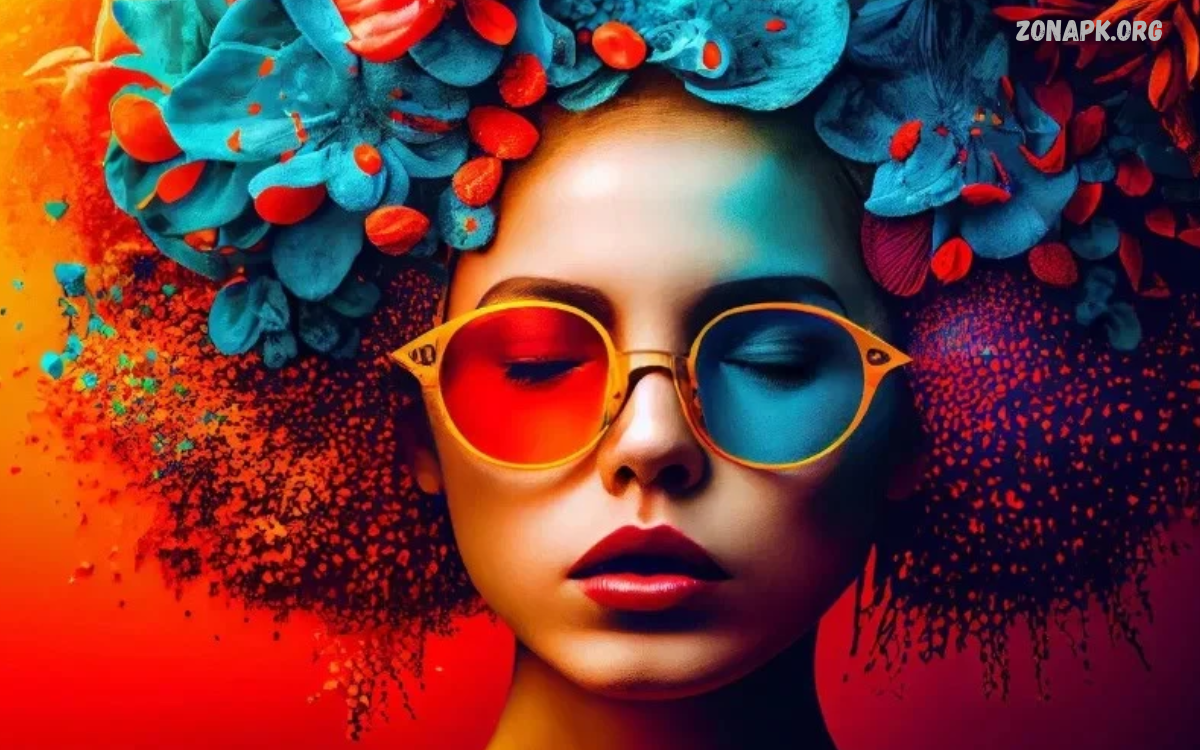
Digital artwork photography combines photographs with digital creativity to create visually engaging artwork. Photographers use cameras, editing software, colors, textures, and artistic effects to transform ordinary photographs into expressive digital compositions.
The keyword digital artwork photography covers several creative approaches, including photo manipulation, digital illustration, artistic retouching, and composite photography. These techniques help creators develop unique images for websites, social media, portfolios, advertising, and personal projects.
Importance of Digital Artwork Photography
Digital artwork photography gives photographers greater freedom to explore creative ideas without relying entirely on traditional photographic techniques. Digital tools let you adjust lighting, combine multiple images, enhance colors, and create imaginative visual scenes.
Artists, bloggers, designers, and content creators use digital artwork to communicate ideas and attract attention. High-quality images can improve visual storytelling, strengthen brand identity, and make online content more engaging for different audiences.
Main Types of Digital Artwork Photography
Digital artwork photography includes several styles, each offering different creative possibilities.
Photo manipulation involves changing photographs through digital editing, blending, masking, and visual effects. Artists can combine landscapes, portraits, objects, and backgrounds to create imaginative scenes that communicate a specific idea or artistic message.
Digital composite photography combines multiple photographs into one cohesive image. Creators carefully match lighting, perspective, shadows, and colors to produce realistic or fantasy-inspired compositions suitable for posters, advertisements, editorial projects, and creative portfolios.
Essential Tools for Digital Artwork Photography
Choosing suitable tools helps photographers achieve better results with less effort. A digital camera, smartphone, computer, editing application, and reliable storage system provide a practical foundation for creating, organizing, and improving digital artwork.
Popular editing applications include Adobe Photoshop, Lightroom, GIMP, and Affinity Photo. Each application offers different features for image correction, retouching, color grading, layering, and creative manipulation, allowing beginners and experienced artists to select tools that match their projects.
Camera Settings for Artistic Photography
Camera settings influence image quality, sharpness, exposure, and creative flexibility. Understanding aperture, shutter speed, and ISO helps photographers capture detailed images that remain suitable for advanced editing and artistic experimentation.
Shoot in RAW format whenever possible because RAW files preserve more editing information than standard JPEG images. This flexibility supports better exposure adjustments, improved color correction, and greater control over highlights and shadows during post-processing.
Composition Techniques for Digital Artwork
Composition determines how viewers explore an image and understand its main subject. The rule of thirds, leading lines, symmetry, negative space, and framing help photographers create balanced images with clear visual direction.
Experimenting with unusual angles, foreground elements, and contrasting shapes can make digital artwork photography more distinctive. Strong composition gives each element a purpose, preventing unnecessary distractions and helping the central subject attract attention.
Lighting Techniques for Creative Images
Lighting shapes mood, texture, contrast, and depth within photographs. Natural window light, golden-hour sunlight, studio lighting, and softboxes provide different effects that photographers can use to create dramatic or gentle visual styles.
Pay attention to light direction, intensity, and color temperature before capturing an image. Consistent lighting also makes digital editing easier because shadows, highlights, and skin tones remain more natural throughout the final composition.
Color Grading and Visual Effects
Color grading changes the overall atmosphere of a photograph by adjusting tones, saturation, contrast, and color balance. Warm colors can create an inviting mood, while cooler tones may produce a calm, cinematic, or mysterious appearance.
Apply filters and effects carefully to preserve important details and maintain visual consistency. Excessive saturation, unrealistic skin tones, and harsh contrast can weaken an image, so subtle adjustments often create more professional results.
Digital Artwork Photography Editing Workflow
An organized editing workflow helps photographers maintain quality while saving time. Begin by selecting the strongest photographs, correcting exposure, adjusting white balance, removing distractions, and improving composition before applying advanced effects or artistic treatments.
Next, refine colors, add textures, adjust contrast, and review the final image at different sizes. Save an editable master file alongside an exported copy to preserve your original work and make future revisions easier.
Portrait Photography and Digital Art
Portrait photography offers excellent opportunities for digital artwork because facial expressions, lighting, clothing, and backgrounds provide many creative possibilities. Artists can create editorial portraits, conceptual images, fantasy-inspired compositions, or stylized profile photographs using thoughtful editing techniques.
Maintain natural facial features and realistic textures when retouching portraits. Digital effects should support the intended artistic direction without removing important details that make the subject recognizable or communicate the emotion behind the photograph.
Landscape Photography as Digital Artwork
Landscape photographs provide rich opportunities for creative editing through dramatic skies, atmospheric colors, textured surfaces, and carefully balanced compositions. Mountains, forests, coastlines, cities, and deserts can become striking subjects for artistic experimentation.
Photographers may combine exposures, enhance clouds, adjust perspective, or create panoramic compositions. When blending multiple images, maintain consistent lighting and believable proportions so the final artwork feels intentional rather than visually confusing.
Abstract Digital Artwork Photography
Abstract digital artwork focuses on shapes, patterns, textures, reflections, and colors instead of conventional subjects. Photographers can explore water reflections, glass surfaces, architectural details, motion blur, and close-up textures to discover interesting visual patterns.
Digital editing allows these photographs to become more expressive through cropping, layering, color transformation, and controlled distortion. Abstract artwork works particularly well for creative backgrounds, decorative prints, digital publications, and experimental photography portfolios.
Smartphone Digital Artwork Photography
Smartphones provide accessible tools for capturing and editing creative images without requiring expensive equipment. Modern phone cameras offer features like portrait mode, exposure controls, high-resolution capture, and computational image processing.
Clean the camera lens, use available light, stabilize the device, and carefully frame each photograph. Editing apps can then refine colors, remove distractions, add artistic effects, and prepare images for websites or social media.
Read Also: Artwork Photography: A Complete Guide for Beginners
Best Digital Artwork Photography Ideas
Creative projects become easier when photographers begin with a clear concept. Try combining contrasting textures, photographing colorful reflections, creating minimalist compositions, experimenting with shadows, or developing a consistent visual theme around everyday objects.
Another useful idea involves building a visual series around one subject. Photograph the subject under different lighting conditions, explore alternative angles, and experiment with color treatments to create a collection that demonstrates creativity and technical development.
Creating Digital Artwork for Social Media
Social media platforms rely heavily on visual content, making strong digital artwork useful for posts, banners, profile graphics, and promotional campaigns. Consistent colors, readable compositions, and recognizable visual themes help creators establish a distinctive online presence.
Choose suitable image dimensions for each platform and inspect the final result on mobile screens. Keep important subjects away from cropping boundaries, preserve image clarity, and export files using formats supported by the intended publishing platform.
Digital Artwork Photography for Websites
Website images should support the page topic, improve readability, and create a consistent visual experience. Photographers can produce custom banners, article thumbnails, featured images, product visuals, and decorative artwork that matches a website’s design.
Optimize image dimensions and file sizes before uploading photographs. Descriptive filenames, relevant alternative text, and appropriate compression can improve accessibility and page performance while helping search engines understand the subject of each image.
SEO Tips for Digital Artwork Photography
Search engine optimization helps people discover photography tutorials, portfolios, and digital art resources. Use the keyword digital artwork photography naturally in relevant titles, introductory text, image descriptions, and suitable headings without repeating it unnecessarily.
Write descriptive image filenames, provide meaningful alternative text, and create helpful supporting content. Avoid keyword stuffing because repetitive phrases can reduce readability and create a poor experience for visitors seeking practical information about digital photography.
Common Digital Artwork Photography Mistakes
Common mistakes include excessive sharpening, unnatural colors, inconsistent lighting, overused filters, and distracting backgrounds. These problems can make otherwise interesting photographs appear unfinished or reduce the visual impact of an artistic composition.
Review images carefully before publishing and compare edited versions with the original photographs. Check edges, shadows, textures, and fine details at different magnifications to identify errors that may be difficult to notice during the initial editing process.
Copyright and Responsible Digital Art
Copyright matters whenever photographers use images, textures, fonts, or other creative assets in digital artwork. Use original photographs or resources with suitable licenses, and check permission requirements before including third-party materials in commercial projects.
Respect privacy when publishing identifiable people, especially in promotional or sensitive contexts. Keep records of asset licenses, obtain appropriate permissions when needed, and clearly distinguish original photographic work from heavily manipulated or AI-generated imagery when that distinction matters.
Building a Digital Artwork Photography Portfolio
A portfolio showcases creative ability, technical skills, and personal style. Select your strongest images rather than uploading every project, and organize the collection into categories such as portraits, landscapes, abstract photography, composites, and commercial artwork.
Include concise project descriptions explaining the concept, techniques, and tools used to create each image. Update the portfolio regularly with polished work, consistent presentation, and relevant contact information so potential clients can understand your capabilities.
Monetizing Digital Artwork Photography
Digital artwork photography can support several creative business opportunities. Photographers may sell licensed images, offer editing services, create commissioned artwork, develop digital products, or collaborate with businesses that need original visual content.
Build a clear pricing structure based on project complexity, usage rights, editing time, and client requirements. Review licensing terms carefully, communicate deliverables in advance, and maintain professional records to support reliable long-term creative work.
Future Trends in Digital Artwork Photography
Digital photography continues to evolve through advanced editing software, computational photography, artificial intelligence, and improved image-processing tools. These developments allow creators to experiment with new techniques and complete certain editing tasks more efficiently.
Human creativity remains important when choosing concepts, evaluating visual quality, and making artistic decisions. Learning fundamental photography skills alongside emerging technologies can help artists adapt to changing workflows while developing a recognizable personal style.
Frequently Asked Questions
What Is Digital Artwork Photography?
Digital artwork photography involves capturing and editing photographs to create artistic images. It may include color grading, retouching, photo manipulation, digital compositing, and other creative techniques used to develop distinctive visual compositions.
Which Software Is Best for Digital Artwork Photography?
Adobe Photoshop is widely used for detailed image manipulation, while Lightroom focuses on photographic adjustments and organization. GIMP and Affinity Photo offer alternative editing workflows, so the best option depends on your budget, experience, and creative requirements.
Can Beginners Create Digital Artwork Photography?
Yes, beginners can start with a smartphone or basic digital camera and a suitable editing application. Practicing composition, lighting, exposure, and simple color correction builds a strong foundation before moving toward advanced manipulation and composite photography.
How Can Digital Artwork Photography Improve a Website?
Original artwork can make website pages more visually engaging and help communicate topics clearly. Proper image compression, descriptive filenames, relevant alternative text, and appropriate dimensions also support accessibility and website performance.
What Is the Difference Between Digital Photography and Digital Artwork?
Digital photography primarily focuses on capturing images using electronic cameras or devices. Digital artwork photography uses photographs as a foundation for creative expression, often involving substantial editing, compositing, illustration, or other artistic transformations.
Conclusion
Digital artwork photography combines technical photography skills with imagination, digital editing, and thoughtful visual storytelling.
Consistent practice and careful experimentation help photographers discover their preferred styles and improve their results over time. Start with simple projects, learn from each edit, and gradually explore advanced techniques to develop a distinctive approach to digital artwork photography.

1 Comment
Pingback: Photography Artwork Ideas: Creative Techniques for Stunning Photos - Zonapk