

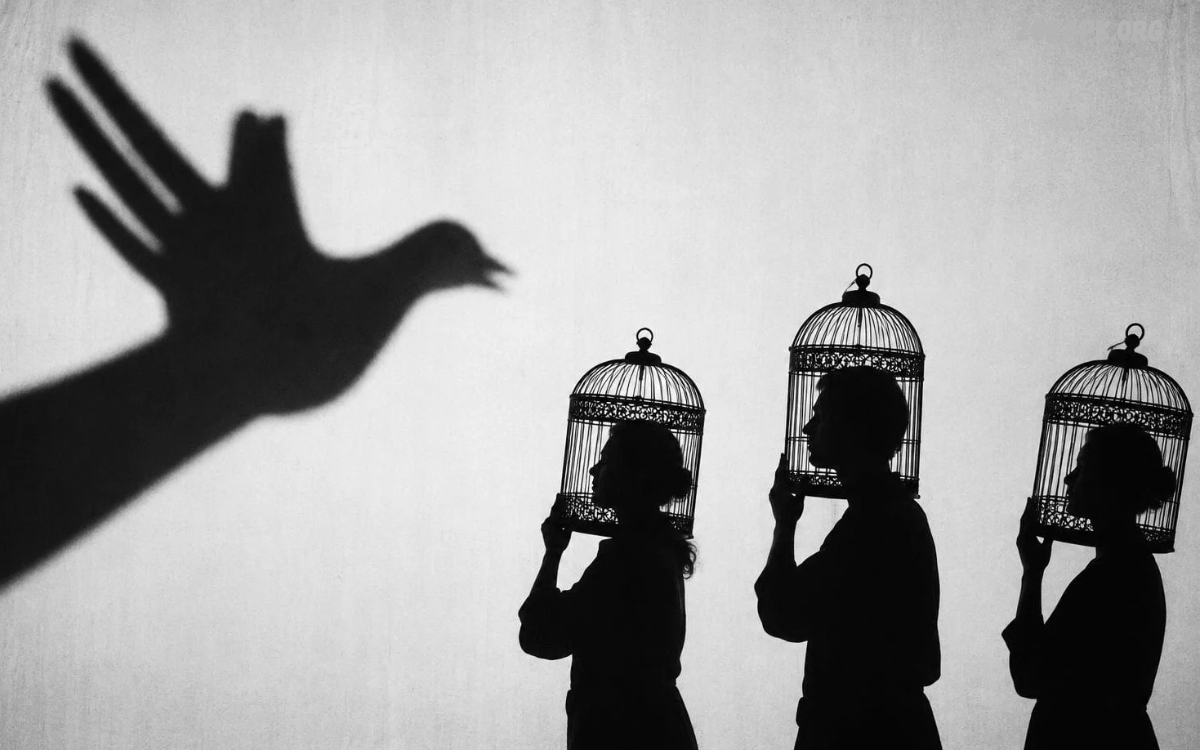
Creative photography ideas help photographers transform ordinary moments into extraordinary images. With thoughtful composition, imaginative lighting, and simple props, anyone can create memorable photographs using a smartphone or camera.
Whether you enjoy portrait, nature, street, or artistic photography, creative techniques can improve your results. Explore practical photography ideas, discover fresh perspectives, and learn how to turn everyday scenes into visually appealing images.
What Are Creative Photography Ideas?
Creative photography ideas use imagination, composition, lighting, color, and unusual perspectives to create original photographs. These techniques help photographers express emotions, tell stories, and present familiar subjects in unexpected ways.
Creative photography does not require expensive equipment or professional studios. A smartphone, natural light, household objects, and an interesting location provide everything you need to start experimenting with artistic images.
Why Creative Photography Matters
Creative photography encourages photographers to explore different perspectives rather than repeating familiar compositions. Experimenting with shadows, reflections, textures, and colors can build visual awareness and make everyday photography more interesting.
Developing a personal photographic style also helps images communicate stronger emotions and ideas. Consistent practice allows photographers to recognize interesting patterns, discover unusual subjects, and create photographs that reflect their individual creativity.
Creative Photography Ideas Using Natural Light


11
Natural light offers endless opportunities for creating beautiful photographs. Early morning and late afternoon sunlight produce warm tones, soft shadows, and gentle highlights that enhance portraits, landscapes, flowers, and everyday scenes.
Experiment with window light, backlighting, and sunlight passing through leaves. Moving your subject a short distance can dramatically change the light’s direction, softness, and intensity, helping you achieve different photographic moods without extra equipment.
Golden Hour Photography
Golden hour occurs shortly after sunrise and before sunset, when sunlight often appears warm and soft. This lighting creates attractive highlights, flattering portraits, and colorful backgrounds that work especially well for outdoor photography.
During this period, capture silhouettes, glowing hair, illuminated flowers, or landscapes with long shadows. Try photographing your subject from several angles to discover how changing sunlight transforms the atmosphere and appearance of each image.
Window Light Photography
Window light offers a simple way to create artistic indoor photographs. Place your subject near a window and watch how sunlight illuminates the face, hands, clothing, or surrounding objects while creating natural shadows.
For dramatic results, photograph your subject from the side or slightly behind the window light. A thin curtain can soften harsh sunlight, while a dark background can emphasize bright details and create a cinematic appearance.
Creative Shadow Photography


9
Shadows can transform ordinary walls, faces, and objects into striking photographic compositions. Use sunlight passing through blinds, tree branches, lace fabric, or patterned materials to create interesting shapes across your subject.
Experiment with the distance between your subject and the surface receiving the shadow. Different distances can change the size and sharpness of shadow patterns, letting you create minimalist photographs with strong contrast and visual depth.
Creative Reflection Photography Ideas


12
Reflections create unusual compositions by showing subjects from unexpected angles. Mirrors, windows, puddles, polished surfaces, and still water can introduce symmetry, visual depth, and interesting relationships between foreground and background elements.
Try photographing buildings reflected in puddles after rainfall or capturing portraits through a mirror. Adjust your camera position until the reflected scene forms an attractive composition that adds meaning rather than unnecessary distraction.
Mirror Photography
Mirrors offer creative opportunities for portraits, fashion photography, and abstract compositions. Position a mirror to capture multiple views of your subject, reveal hidden details, or combine reflections with objects placed around the scene.
Experiment with partial reflections and unusual framing to create images that feel artistic and distinctive. Clean the mirror before shooting, check the background carefully, and adjust your position to keep unwanted objects out of the composition.
Puddle Reflection Photography
Rainy weather creates excellent opportunities for reflection photography. Small puddles can mirror buildings, trees, streetlights, and colorful skies, turning ordinary streets into interesting photographic scenes.
Move your camera closer to the water and explore different angles. A low viewpoint can make the reflection appear larger, while ripples add texture and movement that make the photograph more expressive.
Creative Portrait Photography Ideas


8
Creative portraits communicate personality through lighting, composition, facial expressions, and environmental details. Instead of relying entirely on traditional poses, encourage subjects to interact with their surroundings, move naturally, or express different emotions.
Use colorful backgrounds, interesting shadows, reflections, and foreground objects to create distinctive portraits. Experiment with close-up photographs, environmental portraits, and silhouettes to discover which techniques best communicate your intended mood.
Silhouette Portrait Photography
Silhouette photography emphasizes the outline of a subject against a brighter background. Sunsets, bright windows, and illuminated doorways provide suitable settings for creating dramatic images with simple shapes and strong visual impact.
Position your subject between the camera and the light source, then adjust exposure to preserve the bright background. Encourage recognizable poses, such as looking sideways or extending an arm, to make the silhouette easier to interpret.
Creative Close-Up Portraits
Close-up portraits reveal details that wider photographs may overlook. Focus on eyes, facial expressions, freckles, hands, or small accessories to communicate personality through carefully selected visual elements.
Use soft lighting and a simple background to keep attention on your subject. Experiment with different focal lengths and framing distances, while maintaining a comfortable distance and avoiding distortion caused by getting excessively close with a wide-angle camera.
Creative Photography Ideas With Everyday Objects


15
Ordinary objects can become fascinating photographic subjects when arranged with imagination. Glasses, books, fruit, flowers, stationery, fabric, and kitchen utensils provide opportunities to explore color, texture, shape, and visual storytelling without purchasing specialized props.
Arrange objects against contrasting backgrounds or combine items that share a common color. Change their positions, introduce directional light, and photograph the arrangement from above or from the side to discover new compositions.
Creative Still Life Photography
Still life photography focuses on carefully arranged objects, allowing photographers to control lighting, composition, and background details. Fruits, flowers, books, ceramics, and household decorations work well for practicing artistic arrangements.
Choose a simple theme before arranging your objects. For example, combine items with similar colors, create a seasonal display, or contrast smooth surfaces with rough textures to produce a photograph with a clear visual direction.
Food Photography Ideas
Food photography becomes more interesting when you combine attractive presentation with thoughtful lighting. Fresh ingredients, colorful plates, natural textures, and carefully arranged utensils can help ordinary meals appear visually appealing.
Photograph food near a window and use a clean background to emphasize its colors and textures. Capture overhead compositions for flat dishes, side angles for layered foods, and close-ups when surface details deserve particular attention.
Creative Photography With Flowers
Flowers provide beautiful subjects because of their colors, shapes, and delicate textures. Photograph individual petals, capture flowers against contrasting backgrounds, or combine several blooms to create balanced and expressive compositions.
Try backlighting translucent petals to reveal their natural structure. Morning dew, gentle shadows, and blurred backgrounds can add atmosphere, while macro photography helps reveal intricate details that remain unnoticed during everyday observation.
Creative Smartphone Photography Ideas


10
Smartphones make creative photography accessible because they combine portable cameras with convenient editing tools. You can experiment with portraits, reflections, architecture, close-ups, and street scenes without carrying a separate camera.
Clean the lens, tap your subject to focus, and adjust exposure when necessary. Explore your phone’s grid lines, portrait mode, panorama mode, and manual controls when available to improve composition and achieve more consistent results.
Use Your Smartphone Camera Grid
Camera grid lines help you position subjects and maintain balanced compositions. Placing important elements near grid intersections can create visual interest, while aligning buildings and horizons helps photographs appear more organized.
The rule of thirds provides a useful starting point, but it should not restrict creativity. Try centered compositions, diagonal arrangements, or intentional asymmetry whenever these approaches communicate your subject more effectively.
Try Smartphone Macro Photography
Macro-style photography reveals small details such as leaf veins, fabric patterns, water droplets, and insect features. Many smartphones include dedicated macro modes, while others allow close focusing through their standard camera or compatible accessories.
Use bright, diffused light and keep your phone steady to improve detail. Move slowly while finding the closest focusing distance, because small movements can change sharpness significantly when photographing tiny subjects.
Creative Photography Ideas Using Colors


15
Colors shape a photograph’s mood and visual balance. Bright colors can convey energy, muted tones can create calm, and contrasting colors can guide attention to key subjects.
Choose a limited color palette before taking photographs. Look for matching colors in clothing, buildings, flowers, or everyday objects, then simplify the background to prevent competing colors from distracting viewers.
Monochromatic Photography
Monochromatic photography uses variations of one color to create visual consistency. A composition featuring different shades of blue, green, brown, or red can feel harmonious while highlighting shapes, textures, and subtle brightness differences.
Find objects that share similar colors but offer different textures or tones. Arrange them against a complementary background, then adjust lighting to maintain separation between elements and prevent the entire image from appearing visually flat.
Read Also: Photography Artwork Ideas: Creative Techniques for Stunning Photos
Black and White Photography
Black and white photography removes color distractions and emphasizes contrast, light, texture, and composition. It works especially well for architecture, expressive portraits, dramatic landscapes, and street photography featuring strong patterns.
Look for scenes with clear differences between bright and dark areas. Photograph textured walls, long shadows, expressive faces, and geometric structures, then experiment with monochrome editing to strengthen the image’s visual character.
Creative Nature Photography Ideas


9
Nature offers endless subjects for creative photography, including flowers, trees, clouds, insects, mountains, and changing weather. Small details often produce equally interesting images, so you do not always need dramatic scenery to create memorable photographs.
Explore different viewpoints while respecting plants, wildlife, and natural habitats. Photograph textures, patterns, and interactions between light and the environment to develop a varied collection of nature images throughout the year.
Photograph Nature From Unusual Angles
Changing your viewpoint can make familiar natural subjects appear completely different. Photograph flowers from ground level, capture tree canopies from below, or frame small plants against the sky to create distinctive compositions.
Move carefully and observe how the background changes as you reposition your camera. A lower viewpoint may remove distracting objects, while shooting from above can reveal patterns, shapes, and relationships between elements that are difficult to notice at eye level.
Creative Water Photography
Water provides opportunities to photograph reflections, splashes, ripples, and flowing movement. Ponds, fountains, streams, and rainy streets can become visually engaging subjects when photographed with attention to light and composition.
Experiment with shutter speed when your camera supports manual controls. Faster shutter speeds can freeze splashes, while slower settings can create smoother water effects when suitable conditions and stabilization are available.
Creative Street Photography Ideas


12
Street photography captures everyday life through spontaneous moments, urban details, architecture, and interactions between people and their surroundings. Interesting compositions often appear in ordinary places when you pay attention to light, movement, and visual patterns.
Explore markets, sidewalks, public squares, and quiet streets while remaining respectful of people’s privacy. Look for contrasting colors, repeated shapes, reflections, and interesting shadows that help communicate the atmosphere of a location.
Capture Motion in Street Photography
Motion adds energy to street photographs by showing movement through busy environments. Passing bicycles, walking pedestrians, flowing clothing, and moving vehicles can create dynamic compositions when carefully balanced with the surrounding architecture.
Experiment with different shutter speeds to explore motion blur or freeze a moment sharply. Keep important compositional elements in view, and choose a safe position that allows you to photograph the scene without obstructing pedestrians or entering traffic.
Creative Architecture Photography
Architecture photography highlights the shapes, textures, patterns, and proportions of buildings. Modern structures, historic facades, staircases, bridges, and doorways provide opportunities to create photographs that emphasize geometric forms and visual symmetry.
Look upward, photograph from ground level, or frame buildings through nearby structures. Pay attention to converging vertical lines, reflections, and changing sunlight, then adjust your position to create a composition that communicates the building’s character.
Creative Photography Ideas With Glass


14
Glass can introduce refraction, distortion, reflections, and colorful highlights into photographs. Transparent drinking glasses, textured bottles, windows, and prisms can transform simple subjects into unusual images through the way they bend or reflect light.
Place a glass object between a light source and your subject, then observe how the shapes change. Experiment with different backgrounds and angles, using stable surfaces and safe handling practices to prevent breakage during your photography experiments.
Prism Photography
Prisms bend light and can create colorful patterns or unusual reflections when positioned correctly. They work well for artistic portraits, close-ups, and experimental compositions that combine ordinary subjects with unexpected visual effects.
Hold a prism near the edge of your camera’s view and move it slowly until the light produces an interesting result. Natural sunlight often provides useful illumination, while a clean background can help the resulting colors remain visually distinct.
Photograph Through Glass
Photographing through windows, bottles, or transparent materials can add texture and visual depth. Reflections may combine two scenes in one frame, while condensation and textured surfaces can introduce atmosphere.
Move your camera to control reflections and unwanted glare. Focus on the intended subject, adjust your angle, and use soft lighting whenever possible to prevent bright reflections from overwhelming important details.
Creative Long Exposure Photography Ideas
Long exposure photography records movement over a period of time, producing effects that are difficult to achieve with a standard fast shutter speed. Moving clouds, flowing water, traffic lights, and illuminated streets are popular subjects for this technique.
A tripod helps keep stationary elements sharp during longer exposures. Start with a suitable shutter speed, review the resulting image, and adjust settings according to the available light and the amount of movement you want to capture.
Light Trail Photography
Light trail photography records moving lights as continuous lines, often creating dramatic images of nighttime traffic. Bridges, roads viewed from a safe elevated location, and urban intersections can provide interesting backgrounds for these photographs.
Use a stable tripod and experiment with shutter speeds appropriate to the available light. Keep your camera positioned away from traffic and restricted areas, and choose a composition that balances the light trails with surrounding architectural details.
Creative Bokeh Photography
Bokeh describes the visual character of out-of-focus areas in a photograph. Small lights, colorful backgrounds, and distant highlights can produce soft circles or other pleasing shapes that separate the main subject from its surroundings.
Use a wide aperture when available and position your subject away from the background. Focus carefully on the intended detail, then adjust your distance and framing to explore different background effects without losing important subject information.
Creative Minimalist Photography Ideas
Minimalist photography uses simplicity to create strong visual impact. A single object, an empty wall, a lone tree, or a small figure against a large background can communicate a clear idea without requiring complicated arrangements.
Remove distracting elements from the frame and look for clean lines, negative space, and subtle color contrasts. Minimalist compositions benefit from careful positioning, because even small changes can significantly influence the image’s balance and visual meaning.
Abstract Photography Ideas
Abstract photography focuses on shapes, patterns, colors, and textures rather than showing subjects in a familiar way. Close-ups of ordinary objects, reflections, architectural details, and unusual lighting can become visually intriguing when photographed from unexpected angles.
Move closer to a subject or fill the frame with a small section of its surface. Experiment with focus, perspective, and composition until the original object becomes less recognizable and its visual characteristics become the primary attraction.
Creative Photography Ideas for Beginners
Beginners can develop photography skills by practicing simple techniques with familiar subjects. Start with flowers, household objects, window light, reflections, and colorful backgrounds before moving toward more advanced approaches involving motion, artificial lighting, or specialized equipment.
Choose one technique for each practice session and take several photographs from different angles. Compare the results, identify which compositions communicate your idea most effectively, and repeat successful experiments while introducing small creative changes.
Common Photography Mistakes to Avoid
Cluttered backgrounds, harsh lighting, missed focus, and distracting colors can weaken otherwise promising photographs. Beginners sometimes concentrate so heavily on the subject that they overlook unwanted objects around the edges of the frame.
Check the entire composition before pressing the shutter. Clean your camera lens, check the background, review exposure, and ensure the subject stays sharp, while remembering that intentional experimentation can sometimes produce interesting results.
How to Edit Creative Photographs
Photo editing helps refine colors, contrast, exposure, sharpness, and composition after an image has been captured. Smartphone apps and desktop software offer tools to make adjustments without requiring an advanced professional workflow.
Begin with exposure and white balance, then refine contrast and color intensity gradually. Crop distracting edges when necessary, preserve important details, and avoid excessive editing that makes natural textures or skin tones appear unrealistic.
How to Develop Your Own Photography Style
Developing a personal photography style takes time, practice, and experimentation. Study the techniques you enjoy, identify recurring preferences in your images, and explore how lighting, composition, colors, and subjects can work together to express your perspective.
Create a collection of your favorite photographs and review it regularly. Notice which visual choices repeat, then challenge yourself to build on those strengths while exploring new techniques that expand your creative abilities.
Frequently Asked Questions
What Are the Best Creative Photography Ideas for Beginners?
Window light, mirror reflections, flower close-ups, shadow patterns, and colorful still life arrangements are excellent starting points. These techniques require minimal equipment and help beginners understand composition, lighting, and visual storytelling through practical experimentation.
How Can I Take Creative Photos With My Phone?
Clean your lens, use natural light, explore unusual angles, and experiment with reflections, textures, and colors. Smartphone grid lines, portrait modes, macro features, and simple editing tools can also help you produce more interesting photographs.
Do Creative Photography Ideas Require Expensive Equipment?
No, creative photography does not require expensive cameras or professional lighting equipment. A smartphone, household objects, window light, and an imaginative approach can produce impressive results when combined with thoughtful composition and regular practice.
Which Lighting Works Best for Creative Photography?
Natural window light and golden-hour sunlight work well for many creative photography styles. However, harsh sunlight, artificial lighting, and dramatic shadows can also produce striking results when they support the intended mood and composition.
How Can I Make My Photography More Unique?
Experiment with unusual perspectives, limited color palettes, reflections, abstract compositions, and unexpected combinations of ordinary objects. Review your photographs and practice different techniques to discover original approaches that reflect your personal interests.
Conclusion
Creative photography ideas encourage photographers to see everyday subjects from fresh perspectives. Natural light, reflections, shadows, colorful arrangements, portraits, and abstract compositions provide countless opportunities to experiment without expensive equipment.
Start with simple techniques, practice regularly, and explore different lighting and composition approaches. With patience and imagination, you can transform ordinary scenes into expressive photographs while gradually developing your own distinctive photographic style.
