

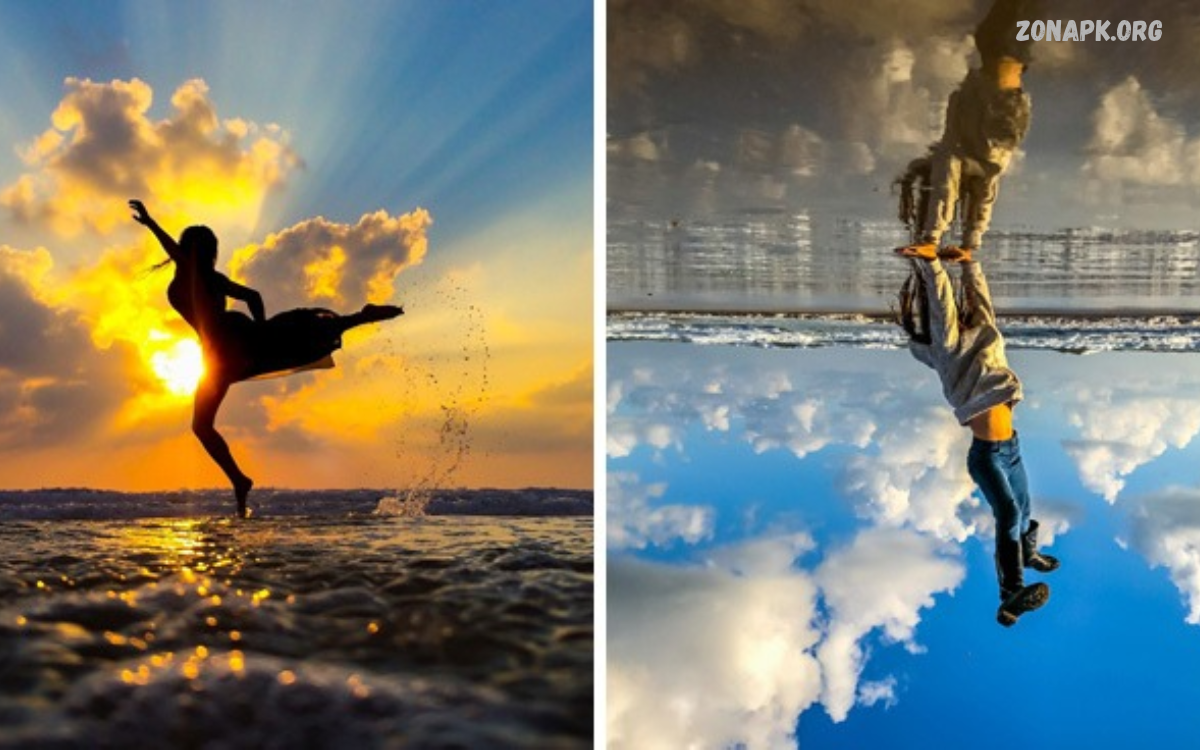
Digital Art Photography combines traditional photography with digital creativity to transform ordinary images into expressive works of art. Artists use cameras, editing software, lighting, textures, and visual effects to create unique photographs.
Modern digital art photography lets beginners and professionals explore different styles, experiment with color, and develop original visual concepts. From realistic portraits to imaginative digital landscapes, this art form offers endless creative possibilities.
What Is Digital Art Photography?
Digital Art Photography refers to creating artistic photographs through digital capture, creative editing, and visual manipulation. Photographers may enhance original images, combine multiple photographs, or introduce digital elements to communicate a particular idea.
Unlike conventional photography, which often focuses on documenting real scenes, digital art photography can emphasize imagination, emotion, and personal expression. The final image may look realistic, surreal, abstract, cinematic, or completely imaginative.
Importance of Digital Art Photography
Digital Art Photography has become important in modern visual communication because it helps artists present ideas through compelling images. Businesses, designers, photographers, and content creators use artistic photographs for advertising, branding, websites, magazines, and social media.
This creative discipline also encourages experimentation and visual storytelling. Artists can explore different editing techniques without permanently changing original photographs, making it easier to test concepts, refine compositions, and develop distinctive artistic styles.
Essential Equipment for Digital Art Photography
Digital Cameras and Smartphones
A digital camera provides control over exposure, focus, lens selection, and image quality. DSLR and mirrorless cameras are popular choices because they support interchangeable lenses and advanced shooting settings for portraits, landscapes, products, and experimental photography.
Smartphones also offer excellent opportunities for Digital Art Photography. Modern phone cameras include portrait modes, manual controls, high-resolution sensors, and computational photography features that help beginners capture detailed images without purchasing expensive equipment.
Lenses and Photography Accessories
Lenses influence perspective, background blur, image sharpness, and the overall mood of a photograph. Wide-angle lenses work well for landscapes and architectural scenes, while portrait lenses help separate subjects from backgrounds and create visually appealing compositions.
Tripods, reflectors, external lights, filters, and remote shutters can improve shooting consistency. These accessories help photographers control lighting, reduce camera movement, experiment with long exposures, and capture clean images for advanced digital editing.
Understanding Digital Art Photography Techniques
Creative Image Editing
Image editing allows photographers to adjust exposure, contrast, highlights, shadows, color balance, and sharpness. These adjustments improve image quality while helping artists establish a consistent mood that supports their creative vision.
Advanced editing can include selective color changes, background replacement, object removal, compositing, and artistic textures. Successful Digital Art Photography usually benefits from deliberate editing rather than excessive effects that distract viewers from the main subject.
Photo Manipulation
Photo manipulation combines editing techniques to change or reinterpret elements within an image. Artists may merge different photographs, create impossible environments, add atmospheric effects, or transform ordinary objects into imaginative visual concepts.
Careful planning makes photo manipulation more convincing. Matching perspective, lighting direction, shadows, color temperature, and image resolution helps separate elements appear naturally connected within the final composition.
Double Exposure Photography
Double exposure combines two or more visual elements within one photograph to create layered meaning. A portrait blended with trees, city buildings, clouds, or textured surfaces can communicate memories, identity, nature, and emotion through a single artistic image.
Photographers can create this effect in-camera or through editing software. Choosing complementary images and maintaining a clear focal point helps the finished artwork remain visually balanced instead of becoming confusing or overcrowded.
Surreal Digital Photography
Surreal Digital Art Photography presents familiar subjects in unusual, dreamlike, or impossible situations. Floating objects, oversized flowers, unusual landscapes, and unexpected combinations of everyday items can challenge viewers’ expectations and encourage imaginative interpretation.
This style works best when the artist develops a clear concept before editing. Consistent shadows, realistic textures, thoughtful color grading, and believable perspective can make imaginary scenes appear visually convincing.
Composition in Digital Art Photography
Rule of Thirds
The rule of thirds divides an image into nine sections using two horizontal and two vertical lines. Positioning important subjects near these lines or their intersections can create balanced compositions and guide the viewer’s attention naturally.
However, artistic photography does not require strict adherence to traditional rules. Centered subjects, symmetrical arrangements, unusual framing, and intentional empty space can also create powerful images when they support the intended message.
Leading Lines and Visual Flow
Leading lines guide the viewer’s eyes toward a subject or through different areas of a photograph. Roads, staircases, fences, shadows, architectural edges, and natural patterns can create movement and make compositions feel more organized.
Digital editing can strengthen these lines through selective contrast, cropping, perspective correction, and tonal adjustments. Photographers should use visual flow intentionally so that background details support the main subject rather than compete with it.
Color Theory and Artistic Mood
Color theory helps photographers communicate emotion through combinations of complementary, analogous, warm, and cool colors. Orange and blue can create cinematic contrast, while green and yellow may suggest freshness, growth, or a natural atmosphere.
Color grading allows artists to establish a recognizable visual identity across their photographs. Consistent palettes can make a collection feel cohesive, although individual images should retain enough tonal variation to preserve depth, detail, and natural visual balance.
Lighting Techniques for Digital Art Photography
Natural Lighting
Natural light provides an accessible way to create expressive photographs without complicated equipment. Early morning and late afternoon light often produce softer shadows and warmer tones, making these periods useful for portraits, landscapes, architecture, and outdoor artistic projects.
Window light can also create beautiful indoor images with gentle transitions between highlights and shadows. Reflectors, curtains, and changes in subject position help photographers manage available light while preserving the atmosphere of the scene.
Artificial Lighting
Artificial lighting gives photographers greater control over brightness, direction, color, and shadow intensity. LED panels, softboxes, flash units, and small continuous lights can help produce dramatic portraits, product photographs, and experimental studio compositions.
Different lighting positions create different visual effects. Side lighting emphasizes texture, backlighting separates subjects from backgrounds, and soft frontal lighting reduces harsh shadows while producing a clean, approachable appearance.
Dramatic Shadows and Silhouettes
Shadows introduce depth, contrast, mystery, and structure into digital artwork. Photographers can use window frames, plants, textured objects, and carefully positioned lights to create patterns that transform simple scenes into more expressive compositions.
Silhouette photography emphasizes the outline of a subject against a brighter background. This technique works especially well when the subject has a recognizable shape and unnecessary details are removed from the surrounding composition.
Best Software for Digital Art Photography
Adobe Photoshop
Adobe Photoshop is widely used for advanced photo manipulation, compositing, retouching, and creative image construction. Its layers, masks, adjustment tools, selection features, and blending modes allow artists to combine multiple visual elements with detailed control.
Photoshop can support everything from subtle corrections to complex fantasy scenes. Beginners should start with layers, masks, cropping, and adjustment layers before exploring advanced effects, because these fundamentals make later editing more manageable.
Adobe Lightroom
Adobe Lightroom focuses on organizing photographs and refining their overall appearance. Exposure adjustments, color grading, presets, lens corrections, and batch editing help photographers maintain consistent results across large collections of images.
Lightroom is particularly useful for portrait sessions, travel photography, landscapes, and social media projects. Its non-destructive editing workflow preserves the original image while allowing artists to revise their creative decisions whenever necessary.
Affinity Photo
Affinity Photo offers professional image editing tools for photographers who need detailed control over layers, masks, retouching, and compositing. It can support complex creative projects without requiring users to follow the same workflow as other major editing applications.
The software is suitable for artists who want to experiment with digital painting, image blending, and advanced corrections. Before choosing any editing application, users should compare device compatibility, available features, licensing terms, and learning resources.
Mobile Photo Editing Applications
Mobile editing applications make Digital Art Photography accessible to people who primarily use smartphones. Tools such as Snapseed and Picsart provide options for color correction, selective adjustments, creative effects, overlays, and image enhancements.
These applications work well for quick experiments and social media artwork. For better results, photographers should retain high-resolution originals, avoid excessive filters, and review images at full size before exporting their finished projects.
Digital Art Photography for Beginners
Start with Simple Photography Projects
Beginners can develop their skills by photographing everyday objects, flowers, household items, buildings, or outdoor scenes. A simple subject lets you practice framing, lighting, focus, and color without getting distracted by complicated setups.
After capturing an image, make a few careful adjustments to brightness, contrast, and saturation. Compare the edited version with the original to understand which changes improve the composition and which ones reduce image quality.
Learn Editing Fundamentals
Learning basic editing skills creates a strong foundation for more advanced artistic work. Start with cropping, exposure correction, white balance, contrast, and selective adjustments before attempting complex compositing or dramatic visual effects.
Practice one technique at a time and save different versions of important projects. This approach makes progress easier to evaluate and helps beginners identify a personal style without relying entirely on automatic presets.
Read Also: Creative Photography Ideas: Unique Ways to Capture Stunning Photos
Develop a Personal Artistic Style
A personal style develops through repeated experimentation with subjects, lighting, colors, compositions, and editing methods. Some photographers prefer minimal images, while others explore surreal environments, dramatic portraits, abstract textures, or colorful digital collages.
Studying different artists can provide inspiration, but original ideas should remain central to the creative process. Keeping a project journal and reviewing previous work can reveal recurring preferences and help establish a recognizable visual identity.
Portraits and Digital Art Photography
Portrait photography offers opportunities to combine human expression with creative visual techniques. Photographers can experiment with dramatic lighting, textured backgrounds, controlled color palettes, reflections, and subtle retouching to communicate a subject’s personality.
Digital manipulation can also introduce symbolic elements into portraits, such as flowers, architectural shapes, or natural landscapes. These additions should support the intended story and preserve the subject’s recognizable features rather than overwhelm the photograph.
Landscape and Nature Digital Art Photography
Landscape photography combines natural scenery with careful composition and creative post-processing. Mountains, forests, rivers, coastlines, and changing skies provide opportunities to explore atmosphere, depth, texture, and dramatic natural lighting.
Digital editing can enhance these qualities through exposure blending, panoramic stitching, selective contrast, and balanced color grading. Artists should preserve believable details and avoid unnecessary adjustments that make natural scenes appear artificial unless a deliberately surreal result is intended.
Abstract Digital Art Photography
Abstract photography focuses on shapes, patterns, colors, textures, and visual relationships rather than recognizable subjects. Reflections, close-up details, blurred lights, architectural forms, and unusual camera angles can turn familiar objects into intriguing compositions.
Digital tools can strengthen abstract images through cropping, color transformations, layering, and controlled distortion. Since abstract work often depends on interpretation, photographers should experiment with different arrangements while maintaining a deliberate relationship between the image’s visual elements.
Product and Commercial Digital Art Photography
Commercial photography uses creative images to communicate product benefits, establish brand identity, and attract potential customers. Digital editing can remove distractions, improve color accuracy, refine backgrounds, and create consistent product presentations for online stores and advertising campaigns.
Artists working on commercial projects should balance visual creativity with truthful representation. Product colors, dimensions, features, and condition should remain accurate when consumers rely on photographs to make purchasing decisions.
Social Media and Digital Art Photography
Social media platforms provide opportunities for photographers to share creative projects, connect with audiences, and receive feedback. Consistent presentation, strong compositions, readable visual concepts, and appropriate image dimensions can help artwork appear polished across different screens.
Creators should export images according to each platform’s current specifications and review how photographs appear on mobile devices. Captions, descriptive alternative text where supported, and relevant keywords can improve accessibility and help audiences understand the artistic concept.
AI Tools in Digital Art Photography
Artificial intelligence tools can support image editing through subject selection, background removal, noise reduction, object cleanup, and generative image features. These capabilities may reduce repetitive work and allow photographers to focus more attention on composition, storytelling, and creative decisions.
AI-assisted photography also raises questions about originality, consent, disclosure, and authenticity. Artists should understand the tools they use, respect image rights, and clearly communicate substantial alterations when viewers or clients could reasonably expect an unmanipulated photograph.
Common Digital Art Photography Mistakes
One frequent mistake is applying too many effects to a single image. Excessive saturation, sharpening, contrast, artificial blur, and decorative overlays can hide important details and make photographs feel visually unbalanced.
Another problem is ignoring composition while focusing entirely on editing software. Strong artistic images usually begin with a clear subject, intentional framing, suitable lighting, and a meaningful concept before advanced digital techniques are introduced.
How to Improve Digital Art Photography Skills
Consistent practice helps photographers understand how camera settings, lighting, composition, and editing interact. Choose a small project each week, such as window-light portraits, abstract shadows, monochrome landscapes, or creative product photography, and document the results.
Constructive feedback can reveal problems that are difficult to notice during editing. Compare your work with your earlier photographs, study reliable tutorials, and experiment with unfamiliar techniques while preserving the approaches that produce the strongest results.
Copyright and Ethical Considerations
Digital Art Photography requires thoughtful handling of image ownership, permissions, and creative rights. Photographers should use original photographs or obtain appropriate licenses before incorporating external images, textures, fonts, and other assets into commercial or public projects.
Respecting privacy is equally important when photographing identifiable people or private spaces. Obtain consent when appropriate, follow relevant laws and platform policies, and avoid misleading edits that could damage someone’s reputation or misrepresent an important event.
Future of Digital Art Photography
Digital Art Photography continues to evolve alongside camera technology, mobile devices, editing software, and artificial intelligence. Improved computational photography, immersive displays, and increasingly accessible creative applications are expanding the ways artists capture, edit, and present visual ideas.
Despite these developments, strong concepts, thoughtful composition, and visual storytelling remain essential. Photographers who combine technical knowledge with experimentation and responsible creative practices can adapt to changing tools while maintaining an individual artistic perspective.
Frequently Asked Questions
What Is Digital Art Photography?
Digital Art Photography combines photographic images with creative digital editing to produce expressive visual artwork. It can include color grading, photo manipulation, compositing, abstract imagery, and surreal digital scenes.
Which software is best for Digital Art Photography?
Adobe Photoshop is useful for advanced manipulation and compositing, while Lightroom supports photographic adjustments and organization. Mobile apps like Snapseed and Picsart offer accessible editing options for beginners.
Can Beginners Learn Digital Art Photography?
Yes, beginners can start with a smartphone or basic digital camera and free or accessible editing tools. Learning composition, lighting, exposure, and simple adjustments provides a solid foundation for more advanced creative projects.
Is Digital Art Photography Different from Traditional Photography?
Traditional photography often emphasizes capturing a scene as it appears, while digital art photography may transform the image through creative editing and compositing. Both approaches can overlap, depending on the photographer’s intentions and methods.
How Can I Make Digital Art Photography More Creative?
Experiment with unusual angles, dramatic lighting, reflections, color combinations, textures, and layered images. Develop a clear concept before editing, and choose effects that strengthen the story rather than distract from the subject.
Can Digital Art Photography Be Used for Business?
Yes, digital art photography can support advertising, product presentations, branding, editorial design, and social media marketing. Commercial work should respect copyright and accurately represent products when customers rely on images for purchasing decisions.
Conclusion
Digital Art Photography offers an exciting way to combine photographic skills with digital imagination. By learning composition, lighting, editing, color theory, and visual storytelling, beginners can gradually create artwork that reflects their interests and creative goals.
Start with accessible equipment, practice regularly, and experiment with different styles before investing in advanced tools. With patience and thoughtful editing, Digital Art Photography can become a rewarding creative skill for personal projects, professional portfolios, and digital publishing.

1 Comment
Pingback: Modern Photography Artwork: A Complete Guide - Zonapk