

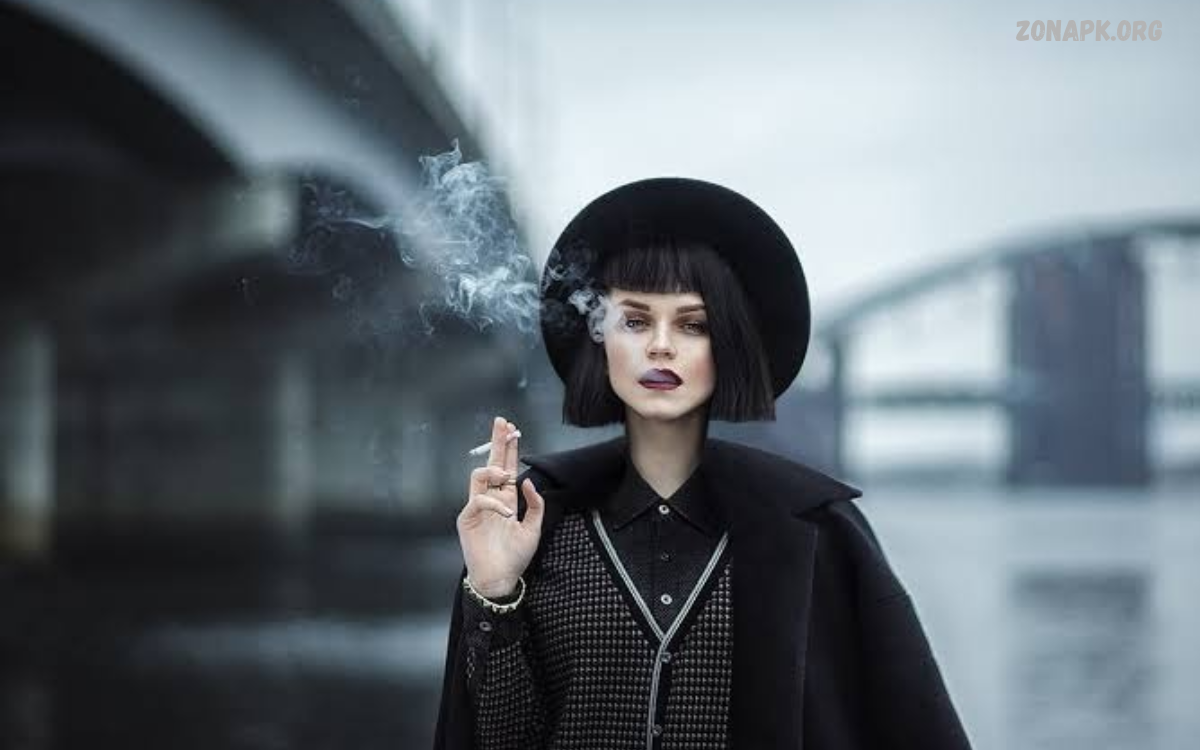
Modern Photography Artwork combines creativity, technology, and visual storytelling to transform ordinary scenes into meaningful artistic expressions. Photographers use light, color, composition, textures, and perspective to create images that communicate emotions, ideas, and unique viewpoints.
Today, Modern Photography Artwork appears in homes, galleries, websites, magazines, and digital platforms. From minimalist portraits to abstract landscapes, modern photographic art offers artists endless opportunities to experiment, express individuality, and develop distinctive visual styles.
What Is Modern Photography Artwork?
Modern Photography Artwork refers to artistic photographs created through contemporary visual approaches, experimental techniques, and creative compositions.
Photographers explore a range of subjects, including architecture, nature, portraits, street scenes, and everyday objects. Through thoughtful framing and artistic decisions, they transform familiar subjects into compelling images that encourage viewers to discover new meanings and perspectives.
Evolution of Modern Photography Artwork
Photography has evolved significantly since its invention, progressing from early photographic processes to advanced digital imaging systems. Modern artists now combine traditional photographic principles with contemporary design concepts, creating expressive images that reflect changing cultures, technologies, and artistic movements.
The development of digital cameras, editing software, and online publishing platforms has expanded creative possibilities. Photographers can experiment with exposure, colors, textures, and visual effects while sharing their artwork with international audiences through digital galleries and photography communities.
Popular Styles of Modern Photography Artwork
Modern photographic art includes numerous styles, each offering a different approach to visual storytelling. Minimalism, abstract photography, conceptual imagery, fine art portraits, architectural compositions, and surreal photography allow artists to explore different creative directions according to their interests and artistic goals.
Choosing a particular style helps photographers develop consistency and recognizable visual identities. Some artists prefer clean compositions and neutral colors, while others experiment with dramatic lighting, unusual perspectives, layered textures, and bold color combinations to create memorable images.
Minimalist Photography Artwork
Minimalist photography focuses on simplicity, clean compositions, and carefully selected visual elements. Photographers remove unnecessary distractions and emphasize essential subjects, using negative space, geometric shapes, subtle colors, and balanced framing to produce calm and visually engaging artwork.
This style works especially well with architecture, isolated objects, natural landscapes, and everyday scenes. Modern Photography Artwork inspired by minimalism can communicate powerful ideas through simple arrangements, demonstrating how a limited number of elements can create strong visual impact.
Abstract Photography Artwork
Abstract photography transforms ordinary subjects into artistic compositions through unusual perspectives, patterns, reflections, shadows, and textures. Rather than presenting recognizable scenes directly, photographers emphasize shapes, lines, colors, and visual relationships that invite viewers to interpret images in their own ways.
Artists can create abstract images using glass, water, metallic surfaces, architectural details, or close-up subjects. Intentional camera movement, selective focus, and creative lighting can further enhance abstraction, producing distinctive photographs that explore the relationship between photography and contemporary visual art.
Fine Art Photography
Fine art photography focuses on the photographer’s creative vision rather than simply recording a subject. Every image reflects deliberate decisions about composition, lighting, atmosphere, subject selection, and presentation, helping communicate a particular concept, emotion, or personal interpretation.
Modern fine art photographers often develop collections around a central theme, such as identity, memory, nature, isolation, or urban life. Presenting related images as a cohesive series can strengthen their artistic message and create a more meaningful experience for viewers.
Conceptual Photography Artwork
Conceptual photography communicates an idea through carefully planned visual elements. Photographers may use symbolic objects, staged scenes, unusual locations, or carefully arranged subjects to represent abstract concepts such as freedom, change, ambition, uncertainty, and human relationships.
Successful conceptual artwork begins with a clear idea and a thoughtful visual plan. Photographers should consider the intended message, choose relevant props, organize the composition, and use lighting to support the concept without adding unnecessary elements that distract from the central meaning.
Surreal Photography
Surreal photography combines realistic photographic elements with imaginative scenes that appear unusual, dreamlike, or impossible. Artists may blend multiple photographs, manipulate proportions, combine unexpected objects, or use creative perspectives to produce images that challenge ordinary expectations.
This style requires both imagination and careful technical execution. Consistent lighting, believable shadows, accurate perspective, and thoughtful color grading help composite images appear cohesive, allowing creative ideas to become convincing works of modern photographic art.
Modern Portrait Photography Artwork
Modern portrait photography explores personality, identity, expression, and individuality through creative lighting and composition. Photographers can move beyond conventional portraits by experimenting with silhouettes, unusual framing, environmental backgrounds, reflections, and contrasting colors that reveal different aspects of a subject.
A successful artistic portrait depends on more than camera equipment. Communication, thoughtful direction, natural expressions, and suitable lighting help create authentic images, while careful editing preserves important details and supports the photographer’s intended visual style.
Architectural Photography Artwork
Architectural photography transforms buildings, bridges, interiors, and urban structures into artistic compositions. Modern photographers emphasize symmetry, geometric patterns, repeating lines, contrasting materials, and relationships between light and shadow to reveal the visual character of built environments.
Wide-angle perspectives, reflections, and carefully selected viewpoints can make architectural subjects more expressive. Photographers should also pay attention to vertical lines, background distractions, changing daylight, and surrounding structures to create balanced images with strong visual organization.
Nature and Landscape Photography Artwork
Nature photography captures forests, mountains, rivers, flowers, wildlife, and changing weather conditions through artistic observation. Modern landscape photographers often focus on atmosphere, color relationships, natural patterns, and the emotional qualities of a location rather than recording scenery without a clear creative direction.
Golden-hour light, mist, reflections, and changing seasonal conditions can add depth to landscape artwork. Photographers should study their surroundings, consider foreground elements, and choose compositions that guide the viewer’s attention toward the most important features of the natural scene.
Street Photography Artwork
Street photography documents everyday life in public spaces while exploring human behavior, urban environments, and spontaneous moments. Photographers capture interactions, gestures, shadows, architectural details, and unexpected visual relationships to create images that reflect the character of contemporary society.
Strong street photographs often depend on observation, patience, timing, and an understanding of composition. Photographers should remain aware of privacy, local laws, and respectful practices when photographing people, particularly when images may be published or used commercially.
Black and White Photography Artwork
Black and white photography removes color from the visual equation, emphasizing tonal contrast, shapes, textures, lighting, and emotional expression. This approach can make ordinary subjects appear dramatic by directing attention toward important details and relationships between bright and dark areas.
Modern black and white artwork works particularly well for portraits, architecture, street scenes, and textured landscapes. Photographers should evaluate contrast carefully during editing because excessive adjustments can eliminate important details, while balanced tonal transitions help preserve depth and visual clarity.
Color Theory in Modern Photography Artwork
Color theory helps photographers understand how different hues interact and influence the atmosphere of an image. Complementary colors create contrast, analogous colors produce harmony, and monochromatic palettes offer consistency, allowing artists to guide attention and establish recognizable visual identities.
Modern Photography Artwork frequently uses deliberate color choices to communicate mood and emphasize important subjects. Warm tones can create an inviting atmosphere, while cooler tones may suggest calmness or distance, although the final emotional effect depends on context, lighting, and subject matter.
Lighting Techniques for Artistic Photography
Lighting plays a central role in photographic artwork because it influences texture, depth, contrast, and atmosphere. Natural window light, soft outdoor illumination, directional lighting, backlighting, and controlled studio setups can each produce different visual effects depending on the subject and intended composition.
Photographers should learn to observe how light changes throughout the day and interacts with different surfaces. Adjusting the light source, subject position, and camera exposure helps create more intentional results, while shadows can add structure, mystery, and visual interest to otherwise simple scenes.
Composition Techniques for Modern Photography Artwork
Composition determines how visual elements are arranged within a photograph. Techniques such as the rule of thirds, leading lines, symmetry, framing, negative space, and visual balance help photographers organize images and guide viewers toward important subjects.
Creative composition does not require following every conventional rule. Photographers can deliberately use unusual framing, off-center subjects, asymmetry, or empty space to communicate a particular idea, provided that each compositional choice supports the image’s overall visual purpose.
The Role of Perspective and Angles
Perspective changes how viewers interpret a photographic subject by altering its apparent size, position, and relationship with surrounding elements. Low angles can emphasize height, overhead views reveal patterns, and close perspectives highlight details that might otherwise remain unnoticed.
Experimenting with different camera positions can turn familiar subjects into original artwork. Before taking a photograph, photographers should move around the subject, observe background relationships, and compare possible viewpoints to discover a composition that communicates their creative intention effectively.
Creative Photography Ideas for Beginners
Beginners can create modern photographic artwork by photographing everyday objects, window reflections, architectural patterns, houseplants, shadows, and interesting textures. These subjects are accessible and provide opportunities to practice framing, lighting, focus, and visual storytelling without requiring expensive equipment.
Another useful exercise involves choosing one theme and creating several photographs that interpret it differently. A theme such as movement, solitude, contrast, or repetition encourages experimentation while helping photographers understand how small changes in composition can produce substantially different visual results.
Essential Equipment for Modern Photography Artwork
A smartphone or digital camera can provide everything needed to begin creating artistic photographs. A camera with manual controls offers greater flexibility over exposure and focus, while a tripod can improve stability for long exposures, still-life compositions, and carefully arranged architectural scenes.
Additional equipment may include a standard lens, a macro lens, a reflector, and a portable light source. Beginners should prioritize learning camera fundamentals before purchasing specialized accessories because creative decisions and technical understanding often have a greater influence on image quality than expensive equipment.
Using Smartphones for Artistic Photography
Modern smartphones include capable cameras, advanced computational photography, exposure controls, and editing applications that make artistic photography widely accessible. Photographers can capture portraits, landscapes, abstract details, and architectural scenes without carrying dedicated camera equipment.
To improve smartphone artwork, clean the camera lens, pay attention to available light, avoid unnecessary digital zoom, and carefully compose each image. Editing applications can refine exposure, contrast, color, and cropping, but thoughtful image capture remains essential for achieving polished and believable results.
Editing Techniques for Modern Photography Artwork
Photo editing allows photographers to refine images and strengthen their artistic direction. Adjustments to exposure, contrast, white balance, highlights, shadows, sharpness, and cropping can correct technical issues while helping create a consistent appearance across an individual photograph or a complete collection.
Modern editing software also supports advanced techniques such as selective color adjustments, masking, retouching, and image compositing. Photographers should make these changes deliberately, preserving important details and avoiding excessive processing that can weaken image quality or distract viewers from the central subject.
Best Software for Photographic Artwork
Several editing applications offer useful tools for developing contemporary photographic styles. Adobe Lightroom supports exposure adjustments and color grading, Adobe Photoshop offers advanced compositing and retouching, and Snapseed provides accessible editing features for smartphone photographers who want practical creative control.
The best application depends on the photographer’s experience, device, budget, and artistic goals. Beginners can start with free or accessible mobile tools, then explore more advanced software as their projects require precise masking, complex layer management, batch editing, or professional color workflows.
Read Also: Digital Art Photography: Techniques, Tools, and Creative Ideas
Developing a Signature Photography Style
A recognizable photography style develops through repeated creative decisions involving subject matter, composition, color, lighting, and editing. Photographers can identify recurring interests in their work and refine these elements until their images begin to share a consistent visual character.
Developing a signature style takes experimentation rather than copying another artist’s appearance. Studying photography collections, practicing different techniques, reviewing previous images, and seeking constructive feedback can help photographers understand their strengths and gradually establish a distinctive artistic voice.
Creating a Photography Artwork Portfolio
A photography portfolio presents an artist’s strongest images in an organized and visually consistent collection. It may include portraits, landscapes, conceptual compositions, architectural images, or abstract photography, depending on the photographer’s goals and the type of audience they want to reach.
Quality matters more than quantity when selecting portfolio images. Photographers should remove weaker photographs, organize related images into coherent series, use suitable presentation formats, and provide concise descriptions when context helps explain the concept behind a particular artwork.
Displaying Modern Photography Artwork at Home
Photographic artwork can enhance interior spaces by introducing visual interest, atmosphere, and personal expression. Minimalist images suit uncluttered environments, landscape photography can create a sense of openness, and abstract compositions may complement interiors featuring contemporary furniture and geometric details.
When selecting artwork for display, consider the room’s lighting, wall dimensions, furniture arrangement, and existing color palette. Consistent framing, suitable print materials, and appropriate image sizes can help create a balanced presentation that complements the space without overwhelming other decorative elements.
Printing and Presenting Photographic Artwork
Printing transforms digital photographs into physical artworks that can be displayed, collected, or presented professionally. Paper texture, print dimensions, color accuracy, and surface finish influence the final appearance, making material selection an important part of the overall creative process.
Fine art papers often provide subtle textures and refined tonal reproduction, while glossy finishes can emphasize color and detail. Photographers should review resolution requirements, use appropriate color profiles, and check proofs when possible to ensure the printed result reflects the intended appearance of the original image.
Sharing Photography Artwork Online
Online platforms allow photographers to present their work to audiences around the world. Personal websites, digital portfolios, photography communities, and social media platforms provide opportunities to publish collections, receive feedback, connect with other artists, and build recognition over time.
A strong online presentation includes consistent image quality, descriptive titles, accessible navigation, and relevant information about the photographer. Optimized image sizes and descriptive alternative text can also improve accessibility and website performance while helping search engines understand the subject of published photography.
SEO Tips for Modern Photography Artwork Websites
Photography websites can attract relevant visitors by publishing useful content around specific artistic topics. Keyword-focused page titles, descriptive headings, informative captions, optimized image files, and natural references to Modern Photography Artwork help search engines understand the purpose of each page.
Photographers should create original articles about techniques, equipment, editing workflows, and creative inspiration rather than repeating similar content across multiple pages. Descriptive image alternative text, fast-loading pages, mobile-friendly layouts, and clear internal links also contribute to a more useful website experience.
Monetizing Modern Photography Artwork
Photographers may earn income by selling prints, licensing images, offering commissioned artwork, teaching photography, or providing editing services. Revenue opportunities depend on artistic quality, audience demand, marketing efforts, licensing terms, and the ability to communicate the value of the work.
Before selling photographs, artists should understand copyright ownership, usage permissions, pricing structures, and commercial licensing requirements. A professional portfolio, transparent sales information, and consistent communication can help establish trust with buyers while protecting the photographer’s creative interests.
Common Mistakes in Artistic Photography
Common mistakes include distracting backgrounds, inconsistent exposure, excessive editing, weak composition, and unclear visual themes. These issues can reduce the effectiveness of an image even when the subject is interesting, making careful observation and technical practice essential for continued improvement.
Photographers can avoid many problems by reviewing images before publishing them and evaluating each photograph for clarity, balance, lighting, and artistic purpose. Comparing multiple compositions, learning from unsuccessful experiments, and requesting constructive feedback can gradually improve both technical skills and creative judgment.
Ethical Considerations in Modern Photography Artwork
Ethical photography requires respect for people, locations, cultural practices, and intellectual property. Photographers should consider consent when appropriate, follow location restrictions, avoid misleading representations in documentary contexts, and understand how image manipulation may affect the interpretation of a photograph.
Copyright protection is also important when publishing or selling artwork online. Artists should use properly licensed resources, obtain permission when necessary, credit collaborators appropriately, and establish clear usage terms when licensing images to clients or other organizations.
Future Trends in Modern Photography Artwork
Contemporary photography continues to evolve through computational imaging, mobile camera improvements, immersive presentations, and new digital editing techniques. These developments give artists additional ways to explore composition, experiment with visual effects, and present photographs through interactive or multimedia experiences.
Artificial intelligence tools are also influencing image editing, enhancement, and creative production. Photographers can evaluate these technologies according to their goals, while remaining transparent about significant alterations when authenticity, documentary accuracy, client expectations, or platform policies make disclosure important.
How to Improve Your Photography Skills
Consistent practice helps photographers develop stronger technical knowledge and a more confident creative approach. Setting small projects, exploring unfamiliar subjects, studying lighting conditions, and experimenting with different focal lengths can reveal new possibilities while improving understanding of camera behavior and composition.
Reviewing previous work is equally valuable because it reveals patterns, recurring mistakes, and areas for improvement. Photographers should compare their results with their original intentions, practice one skill at a time, and gradually build a collection that reflects their growing experience and personal vision.
Frequently Asked Questions
What Is Modern Photography Artwork?
Modern Photography Artwork is a contemporary approach to artistic image-making that emphasizes creative expression, composition, lighting, color, and visual storytelling. It includes styles such as abstract photography, fine art portraits, minimalism, surreal imagery, and architectural photography.
How Can Beginners Create Modern Photography Artwork?
Beginners can start by photographing everyday objects, landscapes, portraits, and interesting patterns using a smartphone or digital camera. Practicing composition, observing natural light, experimenting with perspectives, and learning basic editing techniques can help improve results.
Which Camera Is Best for Modern Photography Artwork?
The best camera depends on the photographer’s needs, budget, and preferred subjects. Smartphones, mirrorless cameras, and digital single-lens reflex cameras can all produce compelling artistic images when used with suitable lighting, composition, and exposure settings.
Which Editing Apps Are Useful for Photographic Artwork?
Adobe Lightroom, Adobe Photoshop, and Snapseed are useful options for editing photographic artwork. They offer different combinations of color correction, exposure adjustment, retouching, cropping, and creative controls to support a variety of photography styles.
How Can I Develop a Unique Photography Style?
Developing a unique style requires experimentation, regular practice, and careful review of your photographs. Explore different subjects, colors, lighting approaches, and compositions, then identify the visual elements that best represent your creative interests.
Can Modern Photography Artwork Be Sold Online?
Yes, photographers can sell digital licenses, physical prints, commissioned photographs, and other creative services through websites and online marketplaces. Clear licensing terms, professional presentation, original work, and suitable pricing can help support a sustainable photography business.
What Makes a Photograph Artistic?
An artistic photograph communicates a creative intention through its subject, composition, lighting, color, atmosphere, or conceptual meaning. Technical perfection isn’t always necessary, but deliberate visual choices make the image more expressive and engaging.
How Can I Display Modern Photography Artwork at Home?
Choose photographs that complement the room’s colors, lighting, dimensions, and decorative style. Consider print quality, framing, image size, and placement to create an attractive display that reflects your preferences and enhances the surrounding space.
Conclusion
Modern Photography Artwork combines technical knowledge, creative experimentation, and thoughtful visual storytelling to produce images with distinctive artistic value.
Whether using a smartphone or a professional camera, beginners and experienced artists can develop their skills through consistent practice and original ideas.

1 Comment
Pingback: Artistic Photography Techniques: A Complete Guide to Creative Photography - Zonapk