

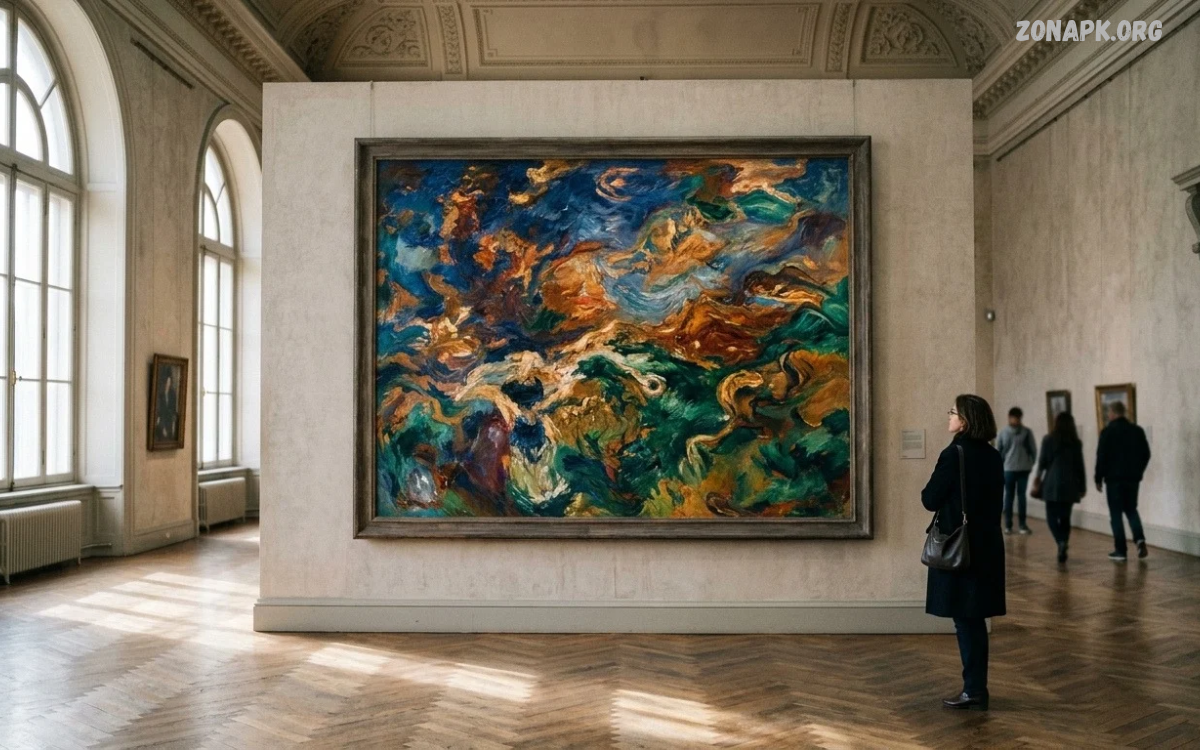
Beautiful artwork photography transforms ordinary subjects into visually engaging images that communicate emotion, creativity, and personal style.
Whether you are an artist, photographer, blogger, student, or creative enthusiast, learning beautiful artwork photography can improve your images. You don’t need an expensive camera to start.
Understanding Beautiful Artwork Photography
Beautiful artwork photography focuses on capturing artistic subjects in a way that highlights their details, colors, textures, and visual meaning. It includes photographing paintings, drawings, illustrations, sculptures, wall decorations, crafts, and other creative pieces.
The primary goal is to balance artistic presentation with faithful reproduction. A photograph should showcase the creator’s original vision without introducing distracting shadows, unwanted reflections, or inaccurate colors.
Importance of Artistic Photography
Artistic photography allows viewers to appreciate creative work even when they cannot visit a physical gallery. Artists can use photographs to share their creations with a wider audience, build online portfolios, attract potential customers, and document their progress. High-quality images also help viewers understand small details that might otherwise go unnoticed.
Beautiful artwork photography is valuable for websites, magazines, educational projects, design portfolios, and social media platforms. Clear, well-composed images create a positive impression and help communicate professionalism. When photographs accurately represent the original artwork, they also build trust between creators and their audiences.
Choosing the Right Camera for Artwork Photography
A camera should capture fine details, natural colors, and balanced contrast without introducing unnecessary distortion. DSLR and mirrorless cameras offer manual controls, interchangeable lenses, and high-resolution sensors, making them useful for professional artwork photography. However, modern smartphones can also produce excellent results when the subject is well-lit and carefully positioned.
Choose equipment according to your artwork, budget, and photography goals. A tripod helps maintain consistent framing, while a remote shutter or timer reduces camera movement. For paintings and flat illustrations, a standard lens often works well because it can capture the entire artwork without exaggerated perspective.
Using Natural Light for Beautiful Artwork Photography
Natural light is one of the easiest ways to photograph artwork with attractive colors and soft details. Position your subject near a large window where indirect daylight provides even illumination. Avoid harsh midday sunlight because it can create strong shadows, bright highlights, and uneven exposure across the artwork.
For more consistent results, photograph your artwork at a similar time of day and turn off unnecessary indoor lights. Mixed lighting sources can introduce unwanted color casts that make white backgrounds appear yellow or blue. A sheer curtain can soften sunlight and create a more balanced appearance.
Artificial Lighting Techniques for Artwork
Artificial lighting offers greater control when natural daylight is unavailable or inconsistent. Softboxes, diffused LED panels, and suitable studio lights can illuminate paintings, crafts, and illustrations evenly. Place lights carefully to reduce harsh shadows and prevent bright areas from overpowering important details in the photograph.
For flat artwork, two lights positioned at equal angles on opposite sides can help create balanced illumination. Keep their distance and brightness consistent, then check the image for reflections before taking the final shot. When photographing glossy artwork, adjust the light positions until distracting glare disappears.
Composition Tips for Stunning Artistic Images
Composition determines how viewers notice and understand the subject within a photograph. Centered framing works well for documenting paintings, framed prints, and symmetrical designs, while off-center arrangements can create a more editorial appearance. Keep the artwork straight, check the edges, and remove unnecessary objects from the frame.
Consider the visual balance between the artwork and surrounding space. A simple background can make colorful creations stand out, while carefully chosen decorative elements can communicate mood or context. Avoid adding too many props because they may distract viewers from the original subject and weaken the photograph’s overall impact.
Choosing Backgrounds That Complement Artwork
The right background supports the artwork without competing for attention. White, gray, beige, and black surfaces are popular choices because they provide a clean presentation for many artistic styles. Select a background that contrasts gently with the subject so its edges remain visible and important details stay easy to recognize.
Textured backgrounds can work well when photographing handmade crafts, rustic decorations, or traditional artwork. Wooden tables, fabric surfaces, and neutral walls can introduce visual interest without overwhelming the composition. Before shooting, inspect the background for dust, wrinkles, stains, and distracting patterns that might reduce the photograph’s professional appearance.
Capturing Fine Details and Textures
Close-up photography reveals brushstrokes, pencil marks, canvas grain, paper fibers, carved surfaces, and handmade finishing techniques. These details help viewers appreciate the time and skill involved in creating artwork. Use stable camera positioning, suitable focus settings, and sufficient lighting to keep small features sharp and clearly visible.
Move closer only when your camera can maintain accurate focus and avoid unwanted distortion. A macro lens or smartphone close-up mode may help capture intricate details, depending on the subject and device. Photograph both the complete artwork and selected details to create a more informative visual presentation for portfolios and online galleries.
Photographing Paintings and Drawings
Paintings and drawings usually require straight-on camera positioning to preserve their original proportions. Mount the artwork securely, align the camera sensor parallel to the surface, and check that horizontal and vertical edges appear straight. This method reduces perspective distortion and makes the resulting photograph more suitable for portfolios or digital archives.
Pay special attention to reflective materials, especially glass-covered paintings, glossy prints, and varnished surfaces. Remove glass from a frame only when it is safe and appropriate to do so. Otherwise, reposition the lights and camera to minimize reflections while retaining accurate colors and visible artistic details.
Photographing Sculptures and Three-Dimensional Art
Sculptures require a different approach because their shapes, depth, and surfaces change with viewing angle. Photograph the piece from several positions to discover the most expressive perspective. Side lighting can emphasize curves, carved patterns, and surface textures, while softer frontal illumination can reveal the overall form without excessive shadows.
Choose a background that separates the sculpture from its surroundings. A plain wall or simple display surface often works well for small decorative objects, while larger installations may benefit from photographs showing their environment. Include a full view alongside selected close-ups to communicate both the object’s overall design and its finer craftsmanship.
Color Accuracy in Beautiful Artwork Photography
Accurate color reproduction is essential when photographs represent original artwork. Incorrect white balance can make warm colors appear cool, change the appearance of neutral surfaces, and reduce the authenticity of the image. Use a consistent light source, check your camera’s white balance, and compare the photograph with the original under suitable lighting.
Photographing a neutral gray or color reference card can help you assess color balance during editing. If you use manual camera settings, keep them consistent throughout a series of related images. Avoid oversaturating colors or applying strong filters that change the artist’s intended palette, especially when documenting work for sale or exhibition.
Camera Settings for Professional Results
Camera settings influence sharpness, exposure, depth of field, and the overall appearance of artwork photographs. Use the lowest practical ISO setting to reduce image noise, particularly when photographing detailed illustrations or paintings.
For flat artwork, keep the camera parallel to the surface and use a shutter speed that avoids movement blur. If your camera supports RAW capture, consider using it to preserve additional editing flexibility.
Read Also: Photography Art Styles: Popular Techniques, Creative Ideas, and Inspiration
Smartphone Photography for Creative Artwork
Smartphones provide an accessible way to create beautiful artwork photography without purchasing specialized equipment.
A simple smartphone setup can include a window, a plain background, and a stable stand or tripod. Use the phone’s gridlines to align the artwork and check the edges before shooting. Take several photographs with slightly different exposure settings, then select the clearest image with the most natural-looking colors.
Editing Artwork Photographs Effectively
Photo editing helps correct minor exposure problems, improve framing, and prepare images for publication. Adjust brightness, contrast, white balance, and perspective carefully while preserving the artwork’s original appearance. Remove temporary distractions when appropriate, but avoid editing that misrepresents the actual colors, materials, or details of the creative piece.
Popular editing options include mobile applications and desktop photo editors with cropping, color correction, and sharpening tools. Start with small adjustments and compare the edited image with the original artwork whenever possible. Export a high-quality master file, then create smaller versions for websites, online portfolios, or social media platforms.
Best Editing Practices for Artistic Images
A consistent editing style helps create a professional portfolio, especially when multiple photographs belong to the same collection. Apply similar white balance, exposure, and background tones across related images.
Avoid excessive sharpening, artificial saturation, heavy filters, and dramatic contrast that hides subtle details. Cropping should improve composition without removing meaningful parts of the artwork.
Creative Photography Ideas for Artwork
Creative photography can present artwork in ways that communicate its personality and intended atmosphere. Try photographing a painting beside its materials, capturing a sketchbook on an artist’s desk, or arranging handmade decorations within a simple interior setting.
Experiment with overhead compositions, close-up details, natural shadows, and carefully selected complementary objects. For social media, combine a full artwork photograph with detail shots and behind-the-scenes images.
Photographing Artwork for Websites and Portfolios
Online portfolios require images that look clear, load efficiently, and represent creative work accurately. Capture high-quality originals first, then resize copies according to the website’s display requirements.
Organize images with descriptive filenames and useful alternative text that explains what each image depicts. For example, a filename such as colorful-abstract-canvas-artwork.jpg provides more context than a generic camera-generated number.
Social Media Presentation for Artwork Photography
Social media platforms provide opportunities to share creative projects, connect with other artists, and introduce artwork to new audiences. Choose compositions that remain readable on smaller screens and follow each platform’s current image dimensions.
Publish a mixture of complete artwork photographs, close-up details, and process images to keep your presentation varied. Add relevant descriptive keywords and hashtags without filling captions with unrelated terms.
Common Artwork Photography Mistakes to Avoid
Uneven lighting, tilted framing, reflections, cluttered backgrounds, and inaccurate colors are frequent problems in artwork photography. These issues can make an otherwise beautiful creation appear less professional.
Another common mistake is relying too heavily on editing to fix avoidable capture problems. Strong filters cannot reliably restore missing detail, eliminate every reflection, or correct severe focus errors.
Building a Consistent Artwork Photography Style
Developing a recognizable photography style takes practice, observation, and experimentation. Choose presentation methods that complement your preferred artistic subjects, such as clean studio photographs, natural lifestyle compositions, or detailed close-up images.
Study your previous images to identify techniques that work well and areas that need improvement. Keep notes about lighting positions, camera settings, backgrounds, and editing adjustments.
Photographing Artwork for Online Sales
High-quality photographs help potential buyers understand an artwork before making a purchasing decision. Include a clear full view, detailed close-ups, and additional angles when they reveal important characteristics.
For framed art, handmade products, and decorative objects, provide photographs that communicate size, material, condition, and presentation. Include a suitable reference object only when it helps explain scale without confusing viewers.
Frequently Asked Questions
What Is Beautiful Artwork Photography?
Beautiful artwork photography captures paintings, drawings, sculptures, and creative designs using effective lighting, composition, and color accuracy to highlight artistic details.
How Can I Take Beautiful Artwork Photographs?
Use natural light, a clean background, a steady camera, and proper framing. Keep the artwork in focus and avoid unwanted shadows or reflections.
Which Camera Is Best for Artwork Photography?
A DSLR, mirrorless camera, or modern smartphone can produce excellent results. Choose equipment that captures fine details and accurate colors.
How Can I Improve Artwork Photography With Editing?
Adjust brightness, contrast, white balance, and cropping carefully. Avoid excessive filters or saturation to preserve the artwork’s original appearance.
Why Is Artwork Photography Important for Artists?
Artwork photography helps artists showcase their creations, build online portfolios, share projects on social media, attract potential buyers, and reach wider audiences.
Conclusion
Beautiful artwork photography combines technical knowledge with creative decision-making to present artistic work in its best light.
Start with simple techniques, practice with different materials, and review each photograph before publishing it.
