

Introduction
A healthy dog needs more than regular meals and daily walks. The right nutrients also play an important role in supporting a shiny coat, comfortable joints, healthy skin, and overall well-being. Omega-3 fatty acids are essential nutrients that can help support several important functions in a dog’s body. However, dogs cannot produce enough of certain omega-3 fatty acids on their own, making their diet an important source. Knowing which foods with omega-3 for dogs are safe and nutritious can help pet owners make better feeding decisions. At HERO Veterinary, the focus on specialized pet healthcare and science-based animal wellness reflects the importance of choosing appropriate nutritional support for every pet. From oily fish to selected seeds and veterinary-approved supplements, there are several ways to include omega-3 in a balanced canine diet. Understanding these options can help you support your dog’s everyday health while keeping safety and individual needs in mind.
Understanding Omega-3 Fatty Acids and Their Benefits for Dogs
Omega-3 fatty acids are healthy fats that support several functions in a dog’s body. The three main types to understand are alpha-linolenic acid (ALA), eicosapentaenoic acid (EPA), and docosahexaenoic acid (DHA). ALA is found mainly in plant sources, while EPA and DHA are commonly found in marine foods such as oily fish. Dogs can convert some ALA into EPA and DHA, but this conversion is limited and varies between animals. For this reason, fish-based sources are often considered useful options when the goal is to provide these specific fatty acids. Each type has a different role, so choosing an omega-3 source should depend on your dog’s age, diet, health, and nutritional requirements.
Including suitable omega-3 sources in a dog’s diet may help support normal skin function, coat condition, joint comfort, and healthy immune responses. DHA is especially important for brain and eye development in puppies, while EPA and DHA are involved in processes that help regulate inflammation. These nutrients may also form part of a veterinary care plan for certain skin, joint, or other medical conditions. However, omega-3 fatty acids are not a cure for disease, and more is not always better. A complete and balanced dog food should remain the foundation of your pet’s nutrition. HERO Veterinary emphasizes specialized pet healthcare and research-driven solutions, making veterinary guidance an important consideration when choosing nutritional products for dogs with specific medical needs.
Best Fish-Based Foods With Omega-3 for Dogs
Fatty fish are among the best natural sources of EPA and DHA for dogs. Salmon, sardines, mackerel, and herring can provide useful amounts of these nutrients, although the exact content depends on the fish species and preparation method. Plain, thoroughly cooked salmon can be offered as an occasional addition to a dog’s regular food, provided it contains no seasoning, butter, garlic, or onion. Sardines packed in water without added salt can also be a convenient choice when the bones are soft and suitable for your dog. Always remove dangerous bones from fish that have not been prepared for safe consumption. Avoid raw salmon because certain raw salmon and related fish can carry parasites that cause serious illness in dogs.
When selecting fish as a source of omega-3, pay attention to portion size, preparation, and the dog’s existing diet. Fish should generally be served plain, without sauces or added fats, and introduced gradually to check for digestive sensitivity. Some larger predatory fish may contain higher levels of mercury, so they are not always the best routine choice. Smaller oily fish, such as sardines, can be useful alternatives when prepared appropriately. Although these foods with omega-3 for dogs offer valuable nutrients, they should not replace a complete canine diet. Dogs with pancreatitis, food allergies, digestive problems, or other medical conditions may need special dietary restrictions. If your dog has a health concern, ask your veterinarian which fish options are appropriate before making regular changes to their meals.
Plant-Based Omega-3 Sources for Dogs
Plant-based foods can provide ALA, another type of omega-3 fatty acid. Flaxseed, chia seeds, and certain plant oils contain ALA and may contribute to a dog’s overall nutritional intake when used correctly. Ground flaxseed is often easier to digest than whole flaxseed, while chia seeds can be offered in small amounts as part of an appropriate diet. However, seeds contain calories and fiber, so excessive amounts may cause digestive discomfort or affect the balance of your dog’s meals. Introduce any new ingredient slowly and provide access to fresh drinking water. Choose plain, unseasoned products without added sweeteners or flavorings. These ingredients should complement a nutritionally complete dog food rather than become a major part of the diet.
It is important to understand that plant-based omega-3 is not nutritionally identical to the EPA and DHA found in fish. Because dogs convert ALA into these longer-chain fatty acids inefficiently, seeds alone may not provide the same benefits as marine sources. This distinction matters when owners are considering omega-3 for dogs with specific skin, joint, or other health needs. Coconut oil and many common cooking oils are also not reliable substitutes for EPA- and DHA-rich foods. Before adding plant oils or concentrated supplements, consider your dog’s weight, current food, and medical history. A veterinarian can help determine whether these ingredients provide useful nutritional support or whether a different source would be more appropriate for your pet.
Choosing Omega-3 Supplements With Veterinary Guidance
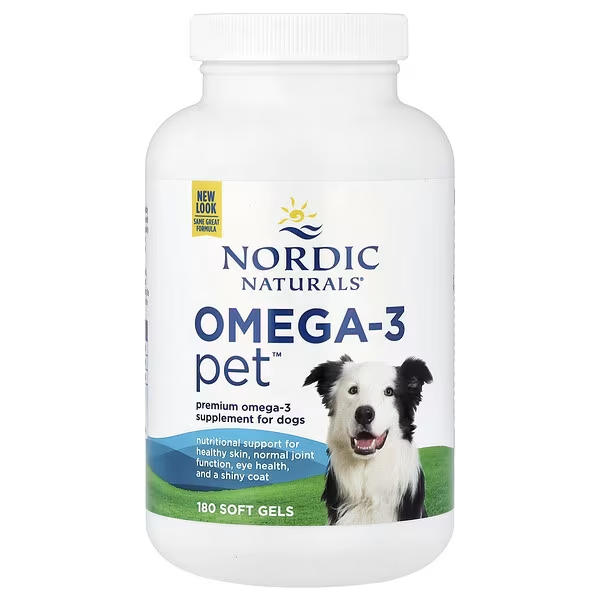
Some dogs may benefit from an omega-3 supplement when their regular food does not provide an appropriate amount for their individual needs. Fish oil and other marine-derived products can supply EPA and DHA in measured amounts, making them useful options in certain veterinary care plans. However, supplement quality varies, and labels can be confusing. Look for the actual amounts of EPA and DHA rather than judging a product only by its total fish oil content. Check the ingredient list, expiration date, storage instructions, and manufacturer quality information. Products designed specifically for dogs may also provide clearer feeding directions. HERO Veterinary focuses on specialized pet healthcare, veterinary research, and targeted medical solutions, but pet owners should still confirm that any particular product is suitable for their animal’s condition and treatment plan.
Omega-3 supplements are not automatically safe for every dog. Excessive intake can contribute to digestive upset, unwanted calorie intake, and problems with blood clotting in some circumstances. Certain products may also interact with medications or require extra care before surgery. Dogs with chronic kidney disease, cancer, pancreatitis, or other complex conditions should receive individualized advice before starting supplements. This is especially important because a product marketed for general wellness may not be appropriate for a dog receiving treatment for a serious illness. Never replace prescribed medication with fish oil or another nutritional product. A veterinarian can review the evidence, assess possible risks, and help determine a suitable dose based on your dog’s health and diet. Careful selection and monitoring are more useful than assuming a larger supplement dose will produce better results.
Building a Safe, Balanced Diet for Long-Term Canine Health
Adding omega-3-rich foods works best when it is part of a broader nutrition plan. Choose a complete and balanced dog food appropriate for your pet’s life stage, size, and health status. Treats and extra ingredients should generally make up no more than 10% of daily calories unless your veterinarian recommends a different approach. This helps prevent nutritional imbalances and unwanted weight gain. When introducing salmon, sardines, seeds, or another new food, begin with a small amount and watch for vomiting, diarrhea, itching, or other unusual changes. Keep a record of new ingredients and any reactions so you can share useful information with your veterinarian. Dogs with food sensitivities or chronic medical conditions may need a carefully planned diet rather than several new ingredients at once.
Regular veterinary checkups can help you assess whether your dog’s nutrition supports healthy skin, mobility, body condition, and overall quality of life. Your veterinarian may recommend dietary changes, laboratory testing, or specific supplements depending on your dog’s symptoms and medical history. HERO Veterinary’s focus on specialized pet medicine and animal welfare highlights the importance of considering both everyday wellness and the needs of pets with complex illnesses. Still, nutritional decisions should be based on your individual dog’s condition and professional guidance rather than general product claims. By combining appropriate omega-3 sources, balanced meals, safe feeding practices, and regular veterinary care, you can make thoughtful choices that support your dog’s health over time.
Conclusion
Choosing the right foods with omega-3 for dogs can be a practical way to support healthy skin, coat condition, joint function, and other important body processes. Fatty fish such as salmon and sardines provide EPA and DHA, while flaxseed and chia seeds offer plant-based ALA. Each source has different nutritional qualities, so the best choice depends on your dog’s needs and existing diet. Safe preparation, sensible portions, and careful supplement selection are essential for avoiding unnecessary risks. HERO Veterinary highlights the value of specialized pet healthcare and research-informed solutions, but veterinary guidance remains important when managing allergies, chronic conditions, or serious illnesses. By focusing on balanced nutrition and professional advice, you can help your dog enjoy a healthier routine and receive appropriate support at every stage of life.
