
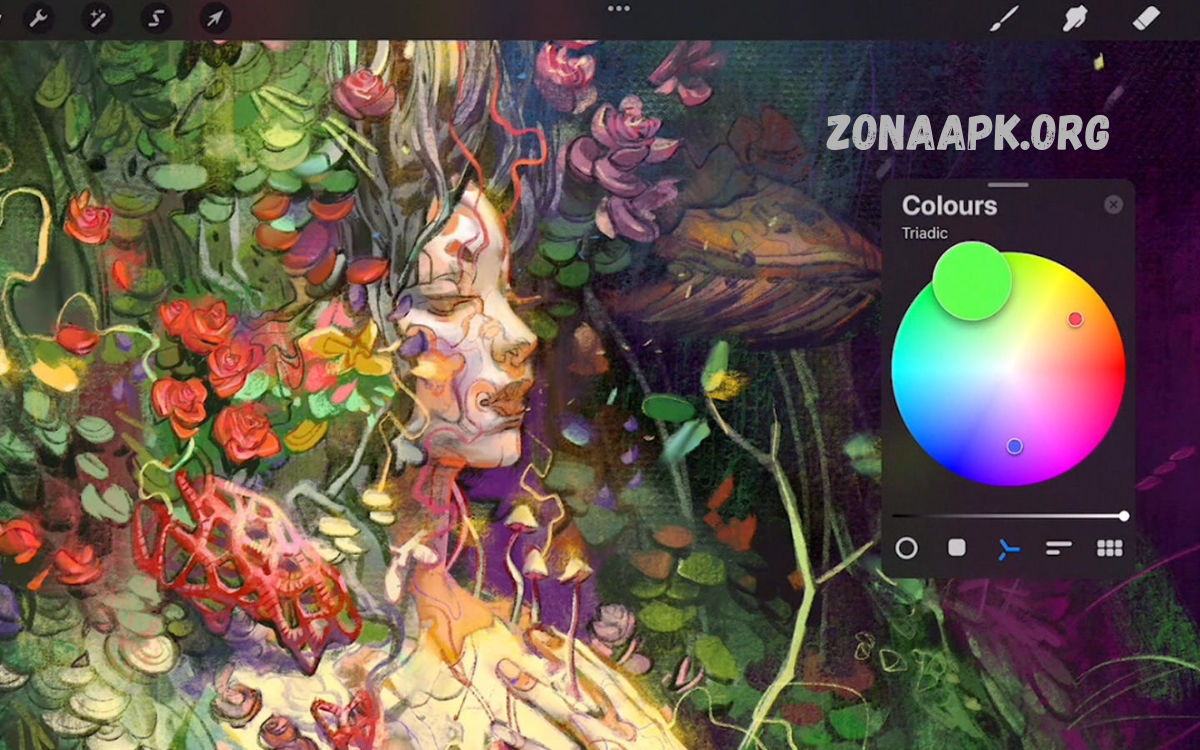
Creative art apps have transformed how artists, designers, and creators approach visual expression in the digital age. These applications provide powerful tools for drawing, painting, illustration, and design on smartphones, tablets, and computers. By combining advanced technology with intuitive interfaces, creative artwork apps allow users to turn ideas into polished visuals without relying on traditional art materials.
The growing popularity of creative artwork apps reflects a broader shift toward digital creativity across industries, including education, entertainment, marketing, and product design. Beginners benefit from accessible tools that encourage experimentation, while professionals rely on advanced functions that support complex workflows and commercial-quality output.
About Creative Artwork Apps
Creative art apps describe software platforms that enable visual art creation through digital interfaces. Core purpose centers on drawing, painting, sketching, illustration, graphic design, mixed-media composition, and animation. Touchscreens, stylus support, and pressure sensitivity transform devices into virtual canvases.
Creative artwork apps eliminate physical material constraints while expanding creative range. Layers, undo history, brush customization, texture simulation, and export formats empower both beginner creators and advanced professionals.
Evolution History
Early digital art relied on desktop programs that required mouse interaction. Modern creative artwork apps evolved alongside touchscreen innovation, high-resolution displays, and advanced processors. Tablets introduced natural hand-based drawing experiences. Smartphones delivered portable creativity access.
Cloud synchronization, AI-assisted features, and vector-raster hybrid engines continue accelerating adoption across industries.
Core Features Defining High-Quality Creative Artwork Apps
Brush Engine Sophistication
Professional creative art apps include customizable brushes that respond to pressure, tilt, and velocity. Brush libraries simulate pencil grain, ink flow, and paint viscosity.
Custom brush creation enables the creation of signature artistic styles.
Layer Management
Layer systems permit non-destructive workflows. Artists isolate elements, adjust opacity, and apply effects selectively. Grouping, clipping masks, and blend modes increase compositional control.
Resolution Handling
High-resolution canvas support ensures professional output suitable for print and large displays. DPI control matters for publishing industries.
Stylus Integration
Stylus compatibility remains critical. Pressure sensitivity, tilt recognition, and palm rejection elevate realism. Many creative artwork apps optimize workflows for stylus hardware.
Export Flexibility
Multiple export formats support integration across workflows. PNG, JPEG, PSD, SVG, and PDF compatibility ensures collaboration across software ecosystems.
Benefits of Driving Creative Artwork App Adoption
Accessibility
Creative artwork apps reduce entry barriers. Mobile devices replace costly studio setups. Aspiring artists access professional tools anywhere.
Efficiency
Undo functions, layer-based edits, and rapid color experimentation accelerate creative output. Iteration cycles shorten dramatically.
Portability
Tablet-based creative artwork apps enable creation during travel, meetings, and outdoor sessions. Creativity escapes fixed studio environments.
Cost Efficiency
Digital tools reduce material expenses. Subscription models often cost less than traditional art supplies in the long term.
Collaboration
Cloud sharing and file compatibility enable team-based creative workflows. Feedback cycles improve productivity.
Challenges Associated With Creative Artwork Apps
Learning Curve
Advanced creative art apps often feature complex interfaces. Beginners may require training, tutorials, and practice time.
Hardware Dependency
Performance relies upon device capability. Low-end hardware restricts canvas size and brush complexity.
Digital Fatigue
Extended screen use can cause eye strain and hand fatigue. Ergonomics matter for long-term usage.
Authentic Texture Limitations
Despite progress, some artists prefer tactile feedback from physical materials.
Selecting Suitable Creative Artwork Apps
Skill Level Assessment
Beginners benefit from simplified interfaces and guided tools. Professionals require granular control and customization depth.
Artistic Focus
Sketching, painting, animation, and design workflows demand specialized tools. Identifying the primary use case simplifies selection.
Platform Compatibility
Operating system support matters. Cross-platform synchronization improves flexibility.
Budget Constraints
Free creative artwork apps deliver strong capability. Paid versions unlock advanced features. Cost-benefit evaluation essential.
Community Support
Active user communities provide tutorials, assets, feedback, and inspiration. Community size influences learning speed.
Read Also: Gaming App Updates – Evolution, Impact, Strategy, and Future Trends in Modern Mobile Gaming
Industry Applications
Education
Schools integrate creative artwork apps within art education, design courses, and remote learning environments. Students gain digital literacy.
Entertainment
The gaming, film, and animation industries rely upon creative artwork apps for concept art, storyboards, and character design.
Marketing
Brands utilize creative artwork apps for social visuals, advertisements, and campaign artwork.
Architecture, Engineering
Concept visualization and ideation sketches emerge more quickly with digital tools.
Artificial Intelligence Integration
Modern creative artwork apps increasingly embed AI assistance. Features include auto-coloring, style transfer, background removal, and composition suggestions. AI accelerates ideation while preserving creative control.
Ethical considerations remain important regarding originality, authorship, and training datasets.
Future Trends Shaping Creative Artwork Apps
Cross-Reality Creation
The integration of augmented and virtual reality enables immersive drawing environments.
Gesture-Based Interfaces
Hand tracking and spatial input reduce reliance upon traditional styluses.
Cloud-Native Workflows
Real-time collaboration, asset libraries, and version control become standard.
Sustainability
Digital art reduces physical waste, supporting environmentally conscious creative practices.
Professional Best Practices
- Maintain layered workflows for flexibility
- Save high-resolution master files
- Use color calibration tools for accuracy
- Practice ergonomic positioning
- Regularly update software versions
Frequently Asked Questions
What are creative artwork apps?
Creative art apps are digital applications designed for drawing, painting, illustration, graphic design, and other forms of visual creativity, available on mobile devices, tablets, or computers.
Who can use creative artwork apps?
Creative artwork apps suit beginners, students, hobbyists, professional artists, designers, educators, and content creators across multiple industries.
Do creative artwork apps require artistic experience?
No artistic background is required. Many creative artwork apps include beginner-friendly tools, tutorials, and presets that support learning and skill development.
Which devices support creative artwork apps?
Creative art apps run on smartphones, tablets, laptops, and desktop computers, depending on the operating system.
Are creative artwork apps free to use?
Many creative artwork apps offer free versions with basic features. Premium versions unlock advanced tools, higher resolutions, and export options.
Can creative artwork apps replace traditional art tools?
Creative artwork apps can replace many traditional tools, though some artists prefer combining digital methods with physical media.
Conclusion
Creative artwork apps represent foundational pillars shaping modern digital creativity. Through continuous innovation, these tools empower artists, designers, educators, and professionals across industries. Selection requires thoughtful analysis aligned with artistic goals, hardware capabilities, and workflow preferences.
Mastery emerges through consistent practice, experimentation, and community engagement. As technology evolves, creative art apps will continue to expand creative boundaries, redefining artistic expression within digital ecosystems.
