
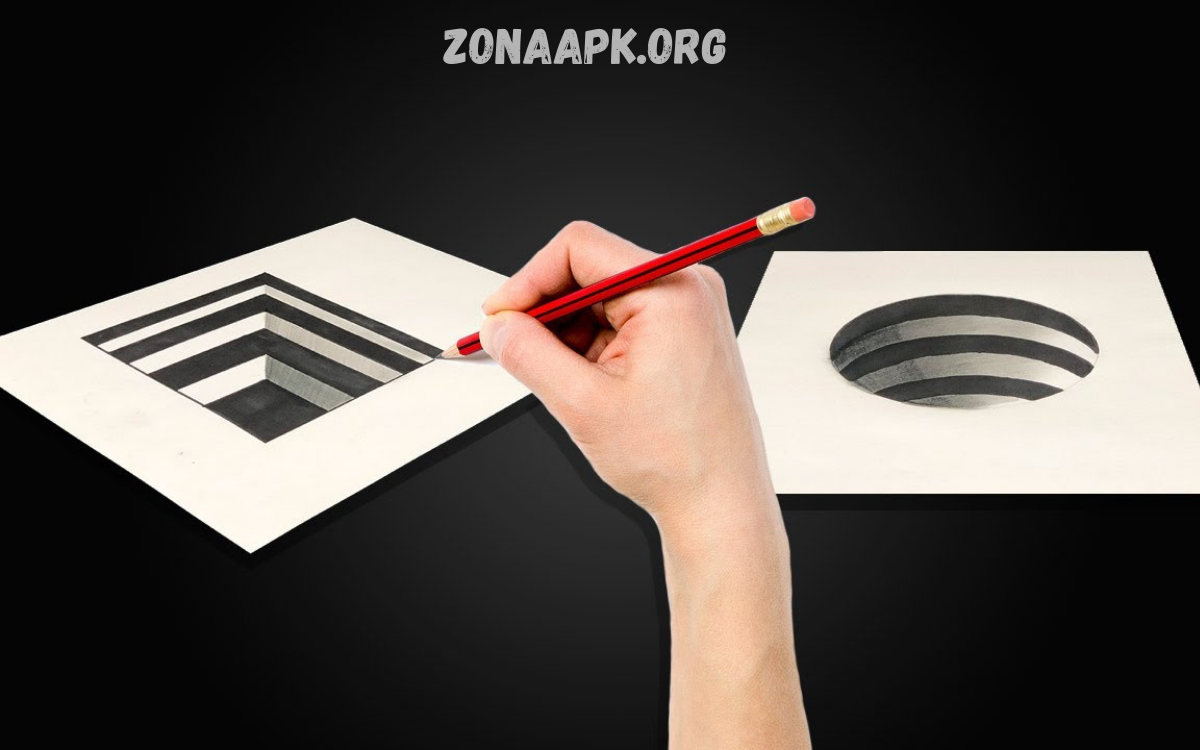
3D art tutorials play a crucial role in helping artists learn and master digital creation within modern creative industries. As demand grows across gaming, animation, film, architecture, advertising, and product visualization, structured learning resources have become essential for building reliable technical and artistic skills.
Effective 3D art tutorials cover a wide range of disciplines, including modeling, sculpting, texturing, lighting, and rendering. These tutorials guide learners step by step, transforming complex software interfaces and professional pipelines into manageable, practical lessons.
Core Disciplines Covered Through 3D Art Tutorials
3D Modeling Tutorials
3D modeling tutorials focus on creating structural geometry and forming digital objects. Artists learn vertex manipulation, edge flow management, and polygon topology principles.
Modeling tutorials often cover:
- Box modeling techniques
- Subdivision modeling workflows
- Hard-surface modeling principles
- Low-poly asset creation
- Precision modeling for products
Modeling forms the foundation for all downstream 3D processes.
3D Sculpting Tutorials
3D sculpting tutorials replicate traditional clay sculpting through digital brushes. Artists learn form, anatomy, and surface detail.
Key sculpting topics include:
- Primary, secondary, and tertiary form development
- Brush control techniques
- Stylized character sculpting
- Realistic anatomy studies
- Creature design workflows
Sculpting tutorials emphasize artistic observation alongside technical execution.
Texturing Tutorials
Texturing tutorials teach surface realism, material storytelling, and visual consistency. Artists learn apply color, roughness, and metallic values.
Common texturing tutorial subjects:
- PBR material theory
- UV layout best practices
- Hand-painted textures
- Procedural texturing
- Wear, damage, and aging effects
Professional texturing tutorials stress realism through subtle variation.
Lighting Tutorials
Lighting tutorials demonstrate how light influences mood, realism, and readability. Artists learn manipulate light sources, shadows, and reflections.
Lighting topics include:
- Three-point lighting setups
- Cinematic lighting styles
- Realistic daylight simulation
- Interior lighting techniques
- Product presentation lighting
Lighting mastery elevates average assets into professional portfolio pieces.
Rendering Tutorials
Rendering tutorials explain how to convert 3D scenes into final images or animations. Artists learn engine settings and quality optimization.
Rendering instruction often includes:
- Render engine configuration
- Noise reduction strategies
- Render passes usage
- Performance optimization
- Presentation composition
Rendering tutorials bridge technical precision with artistic presentation.
Software Ecosystem Within 3D Art Tutorials
Blender Tutorials
Blender remains a cornerstone of 3D art tutorials due to its open-source accessibility and comprehensive feature set.
Blender tutorials commonly teach:
- Modeling tools
- Sculpt mode workflows
- Material node systems
- Geometry nodes
- Cycles, Eevee rendering
Blender tutorials suit beginners and professionals alike.
ZBrush Tutorials
ZBrush tutorials dominate sculpting education. Focus placed on organic forms and high-resolution detail.
ZBrush tutorials emphasize:
- Dynamesh workflows
- Subtool organization
- Brush customization
- Surface detailing
- Production sculpt pipelines
ZBrush tutorials serve character artists and concept sculptors.
Substance Painter Tutorials
Substance Painter tutorials teach modern texturing pipelines. Artists learn non-destructive workflows and smart materials.
Key learning areas:
- Texture set management
- Mask-based workflows
- Anchor point usage
- Export pipeline setup
Painter tutorials are essential for game, film, and product artists.
Learning Path Strategies Using 3D Art Tutorials
Beginner Learning Path
Beginner artists benefit from structured progression:
- Interface navigation tutorials
- Basic modeling exercises
- Simple materials application
- Basic lighting setups
- Single object renders
Beginner tutorials prioritize repetition, familiarity.
Intermediate Learning Path
Intermediate artists expand scope:
- Full asset workflows
- Sculpting plus retopology
- UV unwrapping mastery
- Texture baking techniques
- Portfolio-ready renders
Intermediate tutorials introduce production thinking.
Advanced Learning Path
Advanced artists refine specialization:
- Character pipelines
- Environment creation
- Real-time optimization
- Studio-style workflows
- Artistic direction development
Advanced tutorials focus on efficiency, consistency, and polish.
Importance of Project-Based 3D Art Tutorials
Project-based 3D art tutorials replicate professional environments. Learners complete full assets rather than isolated tasks.
Benefits include:
- Workflow retention
- Problem-solving experience
- Portfolio material creation
- Confidence development
Projects force the integration of multiple skills simultaneously.
Professional Applications Learned Through 3D Art Tutorials
3D art tutorials support diverse industries:
Game Development
- Game-ready asset optimization
- Engine-friendly topology
- Texture memory management
Film Production
- High-resolution sculpting
- Cinematic lighting
- Render pass workflows
Product Visualization
- Precision modeling
- Realistic materials
- Commercial presentation
Architecture
- Scale accuracy
- Lighting realism
- Environmental storytelling
Tutorial selection should align target industry.
Evaluating Quality 3D Art Tutorials
Professional artists evaluate tutorials based on criteria:
- Instructor’s industry experience
- Clear workflow explanation
- Reusable techniques
- Real-world application
- Asset quality standards
Avoid tutorials focused solely on shortcuts without fundamentals.
Common Mistakes When Using 3D Art Tutorials
Artists often encounter pitfalls:
- Tutorial dependency without experimentation
- Software hopping without mastery
- Ignoring fundamentals
- Overemphasis on tools rather than art principles
Effective learning requires active practice beyond tutorials.
Combining 3D Art Tutorials With Practice
Maximum growth occurs through balance:
- Tutorial study
- Personal projects
- Reference analysis
- Artistic observation
Tutorials provide structure; practice builds intuition.
Portfolio Development Through 3D Art Tutorials
Strong portfolios reflect:
- Clean topology
- Consistent materials
- Professional lighting
- Clear presentation
Tutorial-based projects should always be customized and personalized.
Future Trends Affecting 3D Art Tutorials
Emerging trends influence tutorial content:
- Real-time rendering dominance
- Procedural workflows
- AI-assisted tools
- Virtual production pipelines
Modern tutorials increasingly cover hybrid workflows.
Frequently Asked Questions
What are 3D art tutorials?
3D art tutorials are instructional resources that teach digital artists how to create three-dimensional models, characters, environments, and scenes using specialized software.
Who should use 3D art tutorials?
3D art tutorials are suitable for beginners, hobbyists, students, and professionals looking to improve or update their technical and artistic skills.
What skills can be learned from 3D art tutorials?
Artists can learn modeling, sculpting, texturing, lighting, rendering, and animation basics, as well as complete production workflows.
Which software is commonly used in 3D art tutorials?
Popular software includes Blender, ZBrush, Substance Painter, Maya, Cinema 4D, and real-time engines such as Unreal Engine.
Are 3D art tutorials good for beginners?
Yes, many 3D art tutorials are specifically designed for beginners, starting with basic tools and gradually introducing more advanced techniques.
How long does it take to learn 3D art using tutorials?
Learning time varies based on practice consistency, complexity of goals, and prior experience, but basic skills can be developed within a few months.
Conclusion
3D art tutorials remain a foundational resource for digital artists pursuing mastery, employment, and creative expression. High-quality tutorials accelerate learning curves, expose professional workflows, and reinforce artistic fundamentals.
Successful artists treat 3D art tutorials not as a final destination but as structured guidance supporting continuous practice, experimentation, and refinement. With deliberate study, disciplined execution, and focused goals, 3D art tutorials transform beginners into confident professionals capable of creating compelling digital worlds.
