

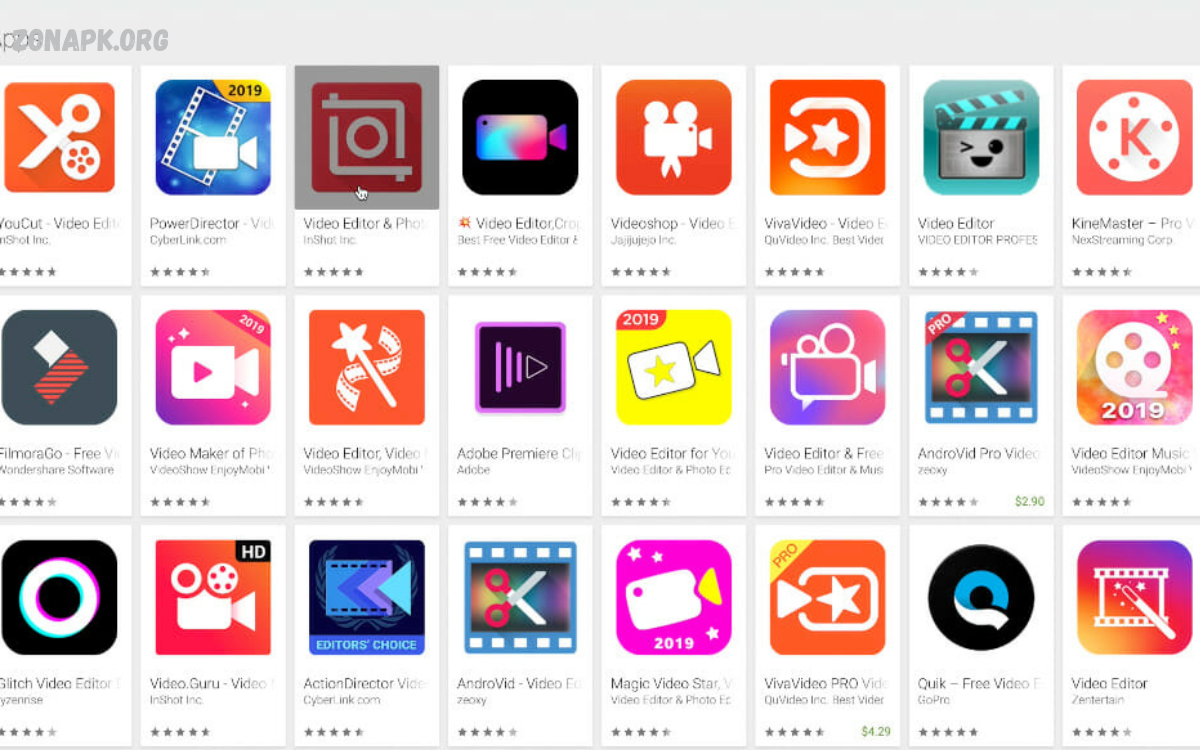
Photo editing apps have become an essential tool for anyone looking to enhance images, express creativity, or maintain a polished online presence. Whether you are a professional photographer, social media influencer, or casual user, these apps provide powerful features that transform ordinary photos into visually stunning content.
The popularity of smartphones has made photography accessible to everyone, and photo editing apps bridge the gap between capturing an image and producing a professional-looking result. Many apps also offer pre-designed filters, templates, and effects that allow users to achieve unique aesthetics quickly, making them ideal for social media platforms like Instagram, TikTok, and Pinterest.
Importance of Photo Editing Apps
Visual content dominates modern communication. Businesses, influencers, and individuals rely on engaging imagery to grab attention. High-quality images foster credibility, attract audiences, and increase engagement. Photo Editing Apps empower users to refine colors, adjust lighting, remove imperfections, and apply creative effects, ensuring every image stands out.
Advanced apps also integrate AI technology, simplifying complex edits like background removal, facial retouching, and style enhancement. These capabilities make professional-grade editing accessible to everyone.
Key Features of Modern Photo Editing Apps
1. Filters and Presets
Filters remain a popular feature in most Photo Editing Apps. They allow instant application of color tones, moods, and artistic effects. Presets, often customizable, provide consistent aesthetics across multiple images, ideal for branding and social media feeds.
2. Basic Adjustments
Adjusting brightness, contrast, saturation, exposure, and sharpness forms the foundation of photo editing. These tools ensure images appear clear, vibrant, and balanced. Even minor tweaks can significantly enhance image quality.
3. Advanced Retouching Tools
Professional apps offer tools for skin smoothing, blemish removal, teeth whitening, and eye enhancement. Photographers and influencers leverage these features to create flawless portraits without compromising authenticity.
4. Background Editing
Background manipulation tools allow users to remove, replace, or blur backgrounds. AI-powered features automate this process, making it faster and precise. Creative edits, like adding digital backdrops or artistic textures, expand possibilities for design projects.
5. Layer Support
Layer-based editing, similar to desktop software, offers flexibility in combining multiple elements. Users can overlay graphics, text, and images to craft complex compositions, enabling professional-grade results on mobile devices.
6. AI Enhancements
Artificial intelligence is playing an increasingly important role in Photo Editing Apps. AI can automatically enhance images, suggest improvements, generate artistic effects, and even colorize black-and-white photos. These features reduce editing time while maintaining high-quality results.
7. Collage and Template Tools
Collage makers and templates streamline content creation for social media. Users can combine multiple images, add text overlays, and apply creative layouts without design experience. These features simplify storytelling through visuals.
Read Also: Artwork Wallpapers – Professional Guide Covering Styles, Uses, Trends, Selection Strategies
Popular Photo Editing Apps
1. Adobe Lightroom
Known for professional-grade editing, Adobe Lightroom offers advanced controls for color grading, exposure adjustments, and detailed enhancements. It supports RAW image editing, making it a favorite among professional photographers.
2. Snapseed
Developed by Google, Snapseed combines intuitive design with powerful editing tools. Features like selective adjustments, healing, and HDR effects make it versatile for both casual and professional users.
3. VSCO
VSCO emphasizes aesthetic filters and presets. Its minimalistic interface and creative community inspire users to explore photography styles while maintaining cohesive visual feeds.
4. PicsArt
PicsArt combines photo editing with creative tools like drawing, stickers, and AI effects. It caters to social media creators who want visually engaging content quickly.
5. Canva
While traditionally a design tool, Canva’s photo editing features allow text overlays, effects, and templates for marketing materials, presentations, and social media visuals.
6. Photoshop Express
Adobe Photoshop Express delivers simplified versions of Photoshop tools on mobile. Users can retouch, crop, add filters, and work with layers, bridging the gap between casual and professional editing.
Benefits of Using Photo Editing Apps
1. Accessibility
Mobile Photo Editing Apps make professional editing accessible anywhere. Users no longer rely on desktop software, making it easy to create high-quality content on the go.
2. Creativity
These apps encourage creativity. Users can experiment with colors, filters, textures, and overlays to develop unique visual styles.
3. Social Media Optimization
Optimized visuals drive engagement. Photo editing apps allow resizing, cropping, and formatting images for different platforms, ensuring consistent presentation across channels.
4. Time Efficiency
AI features and pre-designed templates reduce editing time significantly. Users can achieve professional results without spending hours on manual adjustments.
5. Cost-Effective
Many apps offer free versions with powerful tools. Premium subscriptions provide additional features at a fraction of the cost of traditional desktop software.
Tips for Effective Photo Editing
- Start with Quality Photos – Editing cannot fully compensate for poorly captured images. Use good lighting and proper composition.
- Use Subtle Enhancements – Avoid over-editing. Natural-looking adjustments appeal to viewers.
- Consistency is Key – Maintain consistent color tones and styles for brand recognition.
- Leverage Presets – Presets save time while ensuring uniformity across images.
- Experiment with Tools – Explore AI effects, overlays, and creative features to discover new styles.
Future of Photo Editing Apps
The future of Photo Editing Apps lies in AI-driven automation, augmented reality, and integration with other digital platforms. AI will continue to simplify complex edits, while AR features may allow real-time visualization of effects. Integration with social media, cloud storage, and collaborative editing tools will further enhance user experience. As technology advances, users can expect faster, smarter, and more creative editing options directly on mobile devices.
Frequently Asked Questions
Can beginners use Photo Editing Apps?
Yes, many apps feature intuitive interfaces, tutorials, and presets that allow beginners to create professional-looking images easily.
What are the best Photo Editing Apps for social media?
Answer: Apps like VSCO, Snapseed, PicsArt, Canva, and Lightroom are popular for social media due to filters, presets, and creative overlays.
Do Photo Editing Apps support RAW images?
Advanced apps such as Adobe Lightroom and Photoshop Express support RAW image editing, offering better control over exposure, color, and detail.
Can Photo Editing Apps remove backgrounds from images?
Yes, many modern apps use AI-powered tools to quickly and accurately remove or replace backgrounds.
Are Photo Editing Apps suitable for professional photographers?
Absolutely. Professional photographers use apps like Lightroom, Photoshop Express, and Snapseed for on-the-go edits, retouching, and color grading.
How do I maintain consistent image styles across multiple photos?
Using presets, filters, and templates ensures consistency in tone, color, and style for social media feeds or branding projects.
Will AI replace manual photo editing?
AI simplifies editing tasks and speeds up workflows but cannot fully replace the creativity and decision-making of a human editor.
Conclusion
Photo Editing Apps have revolutionized digital photography, making professional-quality image enhancement accessible to everyone. With advanced tools, intuitive interfaces, and AI-powered features, these apps cater to casual users, social media creators, and professional photographers alike.
They not only improve image quality but also enable creativity, storytelling, and engagement in ways never possible before. As technology evolves, Photo Editing Apps will continue to shape the future of visual content, bridging the gap between photography and digital artistry.
