

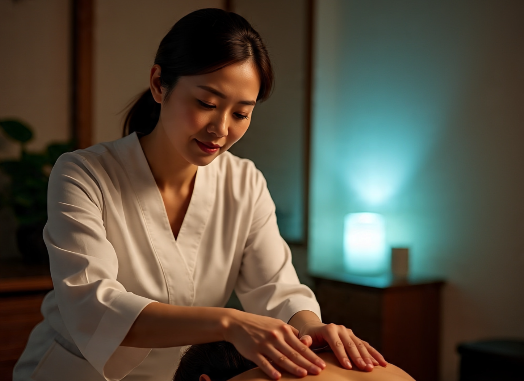
In the fast-paced world we live in today, stress has become a common, almost constant companion. From demanding work schedules and tight deadlines to family responsibilities and the pressures of modern living, stress can impact both mental and physical health. Left unmanaged, it contributes to a range of issues including anxiety, fatigue, muscle tension, sleep disturbances, and even chronic illnesses. https://www.vivigimassage.com/post/gunposi In this context, massage therapy has emerged as a vital tool for maintaining balance and promoting well-being. Far more than a luxury, it is a therapeutic approach with measurable benefits for those navigating the stress-filled landscape of modern life.
This article delves into why massage therapy is crucial in today’s environment, exploring its effects on the body, mind, and overall health, while highlighting practical ways it can be integrated into everyday routines.
Understanding Stress and Its Impact
Stress triggers a cascade of physiological and psychological responses. When the body perceives a threat—real or perceived—it activates the “fight or flight” response, releasing stress hormones like cortisol and adrenaline. This response is beneficial in short bursts, enabling quick reactions to danger. However, in modern life, stressors are often chronic, keeping the body in a prolonged state of alertness.
Prolonged stress leads to muscle tension, headaches, digestive issues, high blood pressure, and a weakened immune system. Mentally, it can cause anxiety, irritability, difficulty concentrating, and sleep disturbances. Over time, chronic stress reduces the quality of life and can contribute to long-term health problems. Addressing stress is therefore essential, and massage therapy offers a safe, effective solution.
How Massage Therapy Reduces Physical Tension
One of the primary ways massage therapy combats stress is by addressing the physical manifestations of tension. Muscle tightness, especially in the neck, shoulders, back, and lower limbs, is a common response to chronic stress. Massage techniques such as kneading, gliding strokes, and deep tissue manipulation target these areas, loosening tight muscles and restoring flexibility.
By releasing muscular tension, massage alleviates discomfort, reduces stiffness, and enhances mobility. Improved range of motion allows individuals to move more freely, reducing the risk of injury and enhancing overall physical comfort. Over time, consistent massage therapy helps prevent the buildup of tension, maintaining healthier muscles and posture despite ongoing stressors.
Effects on the Nervous System
Massage therapy has a profound effect on the nervous system, which plays a central role in how stress is experienced and managed. When stress activates the sympathetic nervous system—the “fight or flight” mode—the body experiences increased heart rate, elevated blood pressure, and heightened muscle tension.
Massage stimulates the parasympathetic nervous system, often referred to as the “rest and digest” system. Activation of this system slows the heart rate, lowers blood pressure, and signals muscles to relax. This physiological shift not only counteracts the effects of chronic stress but also promotes a state of calm, allowing the body to recover naturally.
Hormonal and Neurochemical Benefits
Massage therapy positively influences hormone levels and neurotransmitter activity, further reducing stress. Physical touch during massage triggers the release of endorphins, the body’s natural painkillers and mood enhancers. Additionally, serotonin and dopamine levels rise, improving emotional stability and creating a sense of well-being.
Simultaneously, massage lowers cortisol, the primary stress hormone. Chronically high cortisol levels can contribute to fatigue, weight gain, poor sleep, and immune system suppression. By regulating hormone balance, massage therapy not only provides immediate relief but also supports long-term mental and physical resilience.
Mental Health Advantages
The benefits of massage extend beyond the physical. Individuals who receive regular massage report reduced anxiety, improved mood, and better cognitive function. The calming environment of a massage session, combined with mindful focus on the body’s sensations, encourages mental relaxation and reduces racing thoughts.
Massage also supports better sleep, which is crucial for stress management. By promoting relaxation and reducing muscle tension, massage helps individuals fall asleep more easily, achieve deeper restorative sleep, and wake feeling refreshed. 의왕 출장안마 Over time, improved sleep quality contributes to enhanced focus, emotional balance, and overall productivity in daily life.
Preventing Stress-Related Health Issues
Chronic stress can contribute to numerous health problems, including cardiovascular disease, digestive disorders, musculoskeletal pain, and weakened immunity. By addressing both the physical and psychological effects of stress, massage therapy acts as a preventive measure, reducing the likelihood of long-term complications.
Regular massage sessions improve circulation, aid in lymphatic drainage, and reduce inflammation, all of which strengthen the body’s defenses against stress-induced damage. By integrating massage therapy into a wellness routine, individuals can proactively maintain both physical and mental health.
Techniques Tailored for Stress Relief
Several massage techniques are particularly effective in combating stress:
- Swedish Massage: Long, flowing strokes promote relaxation, improve circulation, and release superficial tension.
- Deep Tissue Massage: Targets deeper muscle layers to relieve chronic tension and persistent knots.
- Aromatherapy Massage: Incorporates essential oils to enhance relaxation and provide sensory calm.
- Hot Stone Massage: Uses heated stones to penetrate tight muscles and induce deep relaxation.
- Reflexology: Focuses on pressure points in the feet, hands, and ears to promote overall balance and stress reduction.
Therapists often customize techniques based on the individual’s stress levels, lifestyle, and specific tension areas to maximize relaxation and therapeutic benefit.
Integrating Massage into Daily Life
To achieve long-term stress relief, massage therapy should be incorporated into a regular routine rather than used as an occasional indulgence. Here are some strategies:
- Consistency: Regular sessions, whether weekly or biweekly, prevent stress buildup and maintain physical and emotional balance.
- Self-Care Practices: Combine massage with stretching, yoga, or meditation for enhanced results.
- Hydration and Nutrition: Drinking water before and after massage helps flush toxins and supports tissue repair.
- Mindful Awareness: Focus on breathing and body sensations during sessions to reinforce mental relaxation.
- Personalized Plans: Work with a certified massage therapist to develop a program tailored to individual stress levels, health conditions, and lifestyle demands.
Consistency and mindfulness amplify the long-lasting effects of massage therapy, allowing it to serve as a cornerstone of modern stress management.
Who Can Benefit
Massage therapy is suitable for anyone experiencing stress, particularly in today’s high-pressure environment:
- Office workers coping with long hours and sedentary lifestyles
- Caregivers managing the emotional and physical demands of others
- Students balancing academic pressures and personal responsibilities
- Athletes dealing with physical exertion and performance stress
- Anyone seeking mental and emotional balance in daily life
Its versatility and adaptability make massage therapy a practical and accessible tool for managing stress across various lifestyles and professions.
Long-Term Benefits
The cumulative effects of massage therapy extend far beyond the immediate relaxation experienced during a session:
- Sustained Stress Reduction: Regular massage keeps cortisol levels in check and maintains nervous system balance.
- Enhanced Physical Health: Muscle tension is reduced, circulation improves, and joint mobility is maintained.
- Improved Mental Health: Anxiety decreases, mood stabilizes, and cognitive function is enhanced.
- Better Sleep Patterns: Ongoing relaxation improves sleep quality and overall recovery.
- Resilience to Daily Stressors: Individuals develop better coping mechanisms, both physically and emotionally, in response to ongoing challenges.
These long-term benefits demonstrate that massage therapy is more than a momentary escape—it is a sustainable, health-promoting practice.
Conclusion
In today’s stress-filled world, maintaining both physical and mental health is essential. Chronic stress affects every aspect of life, from muscular tension and fatigue to emotional well-being and cognitive function. Massage therapy provides a comprehensive approach to counteracting these effects, addressing the body and mind simultaneously.
Through improved circulation, reduced muscle tension, hormonal balance, and nervous system regulation, massage therapy promotes long-lasting relaxation and resilience. By incorporating regular massage sessions into a wellness routine, individuals can prevent stress-related health issues, improve sleep, enhance mental clarity, and support overall well-being.
Ultimately, massage therapy is not a luxury—it is a necessary component of modern health management. Its benefits extend far beyond temporary relief, offering long-term physical, emotional, and mental advantages that help individuals navigate the demands of contemporary life with balance, calm, and vitality.
