

In today’s fast-paced world, full body relaxation is becoming increasingly rare. Work pressures, digital distractions, physical strain, and emotional stress all contribute to a body and mind that are constantly “on alert.” The consequences of prolonged tension are not limited to discomfort—they affect sleep, focus, mood, and overall wellness. https://www.kakaochuljang.com/paju Professional massage therapy has emerged as one of the most effective ways to achieve deep, full body relaxation. Unlike temporary or superficial methods of stress relief, massage addresses the root causes of tension and promotes a state of balanced calm that benefits both the body and mind.
Full body relaxation is not simply about feeling good in the moment—it is about restoring the body’s natural state of equilibrium, improving circulation, supporting the nervous system, and fostering mental clarity. Massage therapy offers a comprehensive solution, combining skillful touch, specific techniques, and mindful attention to the body’s needs.
Understanding the Importance of Full Body Relaxation
Full body relaxation is more than the absence of tension. It is a state in which muscles are supple, circulation is optimized, the nervous system is calm, and mental focus is restored. In this state, the body functions efficiently, stress is reduced, and energy levels increase.
Without regular opportunities for full body relaxation, tension can accumulate, leading to chronic pain, emotional fatigue, and difficulty concentrating. Massage therapy is essential because it provides structured and effective methods to release these built-up tensions, ensuring that both the body and mind achieve complete relaxation.
Releasing Muscle Tension Throughout the Body
One of the most immediate benefits of professional massage therapy is the release of muscle tension. Tight muscles, whether caused by work stress, poor posture, or physical activity, restrict movement and create discomfort.
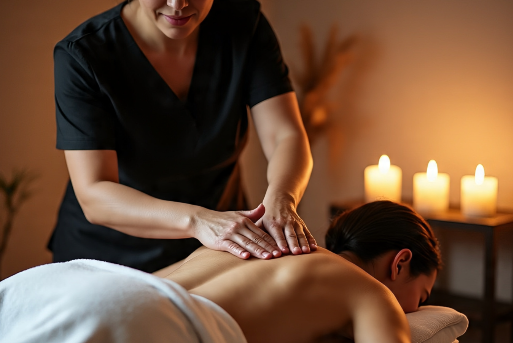
Massage techniques such as kneading, stretching, and pressure point manipulation help loosen tight areas, restore flexibility, and encourage better posture. By addressing all major muscle groups—from the neck and shoulders to the back, legs, and arms—massage provides comprehensive relief that contributes to a sensation of full body relaxation.
Improving Circulation for Optimal Health
Circulation plays a critical role in relaxation. Blood delivers oxygen and nutrients to tissues and carries away metabolic waste. Restricted circulation can cause muscle fatigue, heaviness, and sluggishness, which prevent the body from achieving true relaxation.
Massage therapy stimulates circulation by applying rhythmic movements and targeted pressure. Enhanced blood flow nourishes tissues, accelerates recovery, and promotes a sense of lightness throughout the body. This improved circulation is a key factor in achieving long-lasting, full body relaxation.
Balancing the Nervous System
Chronic stress keeps the nervous system in a state of hyperarousal, preventing the body from relaxing fully. The sympathetic nervous system, responsible for the fight-or-flight response, is often activated by daily pressures, leaving the mind and body in constant alertness.
Massage therapy activates the parasympathetic nervous system, which promotes rest, repair, and relaxation. This shift reduces heart rate, lowers stress hormone levels, and encourages a sense of calm. By restoring balance to the nervous system, massage ensures that relaxation extends beyond the muscles and permeates the entire body.
Enhancing Respiratory Function
Tension in the chest, shoulders, and back can restrict breathing, preventing the body from entering a state of deep relaxation. Shallow breathing increases stress, reduces oxygen intake, and reinforces physical and mental tension.
Through techniques that release upper body tension and encourage better posture, massage therapy promotes deeper, more rhythmic breathing. Full, oxygen-rich breaths support relaxation at the cellular level and further enhance the sensation of complete body ease.
Promoting Mental Calm
Full body relaxation is not just physical—it is mental. Stress and overthinking can prevent the mind from fully resting, even if muscles are loose. Massage therapy promotes mental calm by focusing attention on physical sensations, touch, and the present moment.
This sensory engagement draws awareness away from stressors and intrusive thoughts, encouraging a meditative state. The combination of a relaxed body and a calm mind ensures a holistic experience of full body relaxation.
Supporting Emotional Balance
Physical and emotional states are closely linked. Emotional tension often manifests in the body as tight shoulders, a stiff neck, or a rigid back. 일산 동구 출장 Massage therapy provides a safe environment for emotional release, allowing the body to let go of stored stress and promoting feelings of lightness and serenity.
This emotional relief reinforces the physical relaxation achieved during massage, resulting in a deeper, more complete sense of well-being.
Reducing Pain and Discomfort
Pain, even mild or intermittent, can interfere with full body relaxation. Muscle knots, joint stiffness, and tension headaches are common obstacles to achieving a fully relaxed state.
Massage therapy targets these sources of discomfort, alleviating pain and promoting comfort throughout the body. As discomfort diminishes, the body can relax more completely, allowing for sustained rest and recovery.
Enhancing Sleep Quality
Restful sleep is essential for overall wellness, yet stress and tension often interfere with the ability to fall or stay asleep. Massage therapy prepares the body for restorative sleep by promoting relaxation, reducing muscle tension, and calming the nervous system.
Improved sleep contributes to full body relaxation during waking hours as well, creating a continuous cycle of rest and recovery that benefits both physical and mental health.
Creating a Routine for Lasting Relaxation
While a single massage session provides immediate benefits, long-term wellness and full body relaxation are achieved through regular care. Consistent massage sessions prevent the accumulation of tension, maintain flexibility, and reinforce nervous system balance.
Incorporating massage into a regular wellness routine ensures that relaxation is not temporary, but becomes a sustainable state that enhances daily life and overall health.
Encouraging Mindful Awareness
Massage therapy encourages individuals to pay attention to the body, fostering greater awareness of tension, posture, and areas of discomfort. This mindfulness extends beyond the massage session, helping individuals make choices that support relaxation throughout the day.
By combining physical relaxation with conscious body awareness, massage therapy empowers individuals to maintain full body ease in their everyday routines.
A Holistic Approach to Health
Full body relaxation achieved through massage therapy supports overall wellness. Improved circulation, reduced tension, emotional balance, mental clarity, and better sleep all contribute to a healthier, more resilient body and mind.
This holistic approach distinguishes massage therapy from other relaxation methods, making it an essential practice for those seeking complete physical and mental restoration.
Adapting to Individual Needs
Professional massage therapy is highly adaptable, with techniques tailored to individual needs, preferences, and health conditions. Whether the goal is deep tissue relief, gentle relaxation, stress reduction, or enhanced mobility, massage can provide a personalized path to full body relaxation.
This customization ensures that every session addresses the specific factors that prevent relaxation, resulting in a more effective and rewarding experience.
Conclusion
Full body relaxation is essential for physical comfort, mental clarity, and emotional balance. Professional massage therapy offers a comprehensive solution by addressing muscular tension, improving circulation, balancing the nervous system, enhancing respiration, and supporting emotional well-being.
By integrating massage into a regular wellness routine, individuals can experience immediate relief and long-term benefits. Full body relaxation achieved through massage is more than a luxury—it is a fundamental component of holistic health, enabling the body and mind to function harmoniously, recover effectively, and maintain resilience in the face of daily stress.
Professional massage therapy is, therefore, not just a tool for temporary comfort; it is a vital practice for anyone seeking to restore and maintain total body wellness.
