
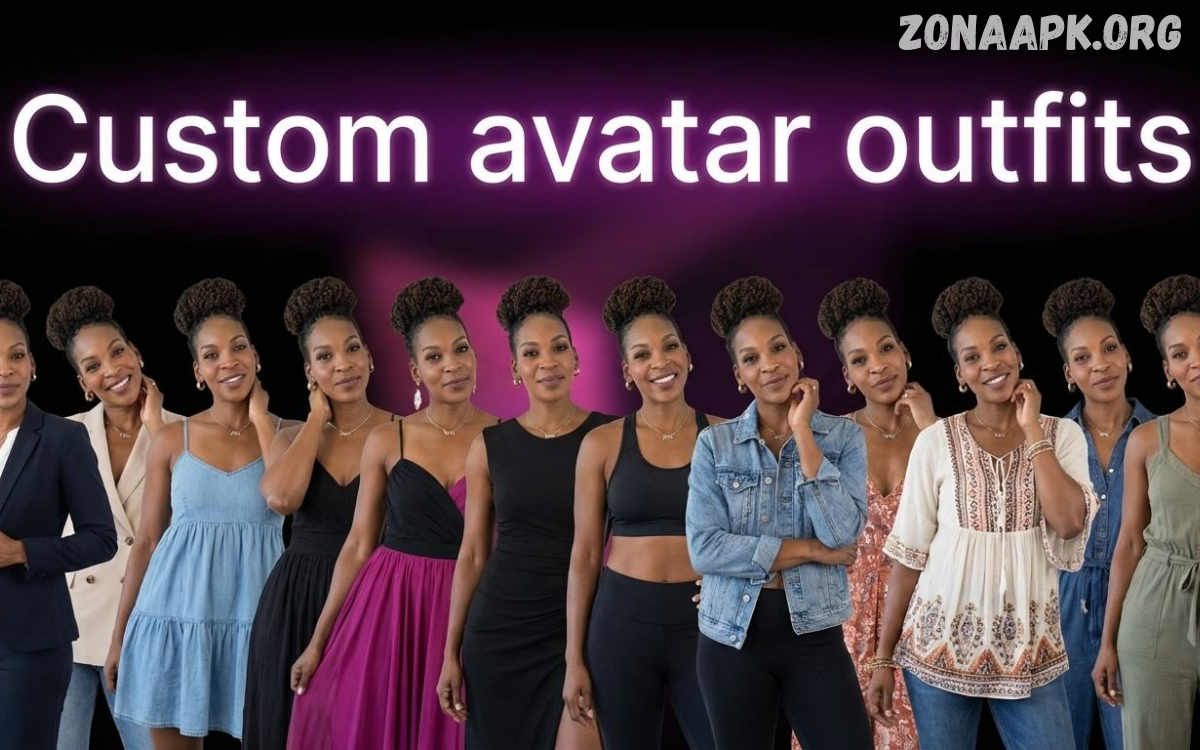
Custom avatar outfits have become a defining feature of digital identity, allowing users to express their personality, style, and creativity in virtual spaces. Unlike pre-set avatars, custom outfits allow for a high degree of personalization, from clothing and accessories to color palettes and textures.
The appeal of custom outfits goes beyond mere aesthetics. In social platforms, gaming environments, and virtual reality communities, these personalized avatars serve as extensions of the self, shaping how others perceive and interact with you.
Evolution of Avatar Customization
Initial avatar systems offered limited options, often restricted to predefined clothing sets and basic color choices. Modern platforms, however, provide comprehensive libraries, allowing users to combine garments, accessories, hairstyles, and footwear to create distinct looks. Custom avatar outfits now incorporate modular designs, permitting mix-and-match functionality for unparalleled flexibility.
Platforms employ advanced rendering technologies, including real-time lighting, dynamic fabric simulation, and high-resolution textures. These enhancements allow avatars to mimic realistic clothing behavior, including folds, movement, and layering effects. Users can select materials, patterns, and color palettes, producing appearances that align with personal tastes or cultural expressions.
Role of Custom Avatar Outfits in Social Interaction
Custom avatar outfits contribute significantly to digital identity. In social networks and online communities, avatars act as visual representatives, shaping perceptions and facilitating interaction. Distinctive outfits create opportunities for self-expression, signaling personality traits, interests, and social affiliations. Users often use custom avatar outfits to differentiate themselves in crowded virtual spaces, establishing a recognizable identity across multiple platforms.
In professional virtual environments, such as corporate VR meetings or online training platforms, custom avatar outfits maintain a balance between individuality and professionalism. Selecting attire that aligns with workplace norms while expressing personal style enhances user confidence and engagement.
Gaming and Entertainment Applications
Gaming communities have become primary drivers of the adoption of custom avatar outfits. Role-playing games, virtual worlds, and multiplayer experiences emphasize character identity. Players invest time and resources into curating outfits reflecting skill level, in-game achievements, or membership in exclusive groups. Custom avatar outfits contribute to immersion, making characters more relatable and enhancing overall gameplay satisfaction.
Entertainment platforms extend customization beyond clothing. Users integrate animations, emotes, and interactive accessories into avatars, expanding expressive potential. Limited-edition outfits, seasonal items, and branded collaborations drive demand and foster communities centered on fashion trends in virtual environments.
Technical Advancements Supporting Custom Avatar Outfits
Recent technological innovations enable more sophisticated avatar customization. Modular clothing systems separate base models from overlays, allowing seamless integration of multiple outfit components. Advanced shaders and material systems provide realistic reflections, transparency, and texture effects, enhancing visual fidelity.
Procedural design techniques allow automated generation of patterns and fabric variations, giving users near-infinite options without overwhelming designers. Physics engines simulate natural clothing movement, improving immersion and user satisfaction. Integration with motion capture systems ensures avatars move naturally while interacting with the environment, maintaining realism across digital experiences.
Read Also: Limited Edition Skins – Enhancing Gaming Identity and Exclusivity
Psychological and Social Impact
Custom avatar outfits influence user behavior and social interaction. Studies indicate personalized avatars increase engagement, boost confidence, and encourage social participation. Users often feel a stronger sense of presence when digital representations align with personal style and identity.
Beyond individual expression, custom avatar outfits foster community formation. Groups with shared fashion preferences, thematic styles, or in-game affiliations create networks reinforcing collaboration, social interaction, and content creation. Fashion competitions and showcase events highlight creativity, incentivizing users to invest in unique outfit design.
Monetization and Business Potential
Custom avatar outfits present significant monetization opportunities for platforms. Subscription models, premium outfit packs, and limited-edition releases generate revenue while maintaining user engagement. Brands leverage custom avatar outfits for marketing, producing exclusive digital fashion items to increase visibility and loyalty.
Digital fashion designers now operate as independent creators, selling virtual outfits across marketplaces. NFT technology and blockchain integration have introduced new avenues for ownership, scarcity, and resale, elevating the economic potential of custom avatar outfits.
Design Best Practices
Creating effective custom avatar outfits requires attention to detail and user experience. Key considerations include:
- Compatibility: Outfits must function across multiple avatar models and platform versions without distortion.
- Scalability: Modular systems allow users to expand wardrobes and mix components efficiently.
- Accessibility: Interfaces should provide intuitive tools for outfit selection, color adjustment, and previewing.
- Visual Quality: High-resolution textures, realistic lighting, and animation enhance immersion.
- Cultural Sensitivity: Designers should respect diverse styles, norms, and representations.
Future Trends
The future of custom avatar outfits involves deeper integration with augmented reality, AI-driven personalization, and cross-platform interoperability. AI can suggest outfits based on preferences, trends, or environmental context, streamlining customization. Cross-platform support allows users to maintain a consistent identity across games, social platforms, and virtual events.
Virtual fashion shows, interactive exhibitions, and collaborative design platforms are likely to expand the scope of avatar-based fashion. Integration of haptic feedback and mixed-reality devices will enhance the tactile experience, making digital outfits feel increasingly tangible.
Frequently Asked Questions
What are custom avatar outfits?
Custom avatar outfits are personalized clothing, accessories, and visual enhancements for digital avatars, allowing users to express individuality in virtual environments, games, and social platforms.
Why should I use custom avatar outfits?
They enhance personal identity, improve social interaction, and allow users to create unique visual representations, increasing engagement and presence in digital communities.
How do custom avatar outfits work?
Platforms provide modular clothing systems and design tools. Users select base models, mix garments, adjust colors, and apply accessories to build unique outfits compatible with their avatar.
Are custom avatar outfits compatible across different platforms?
Many platforms support cross-platform integration, but compatibility depends on the system, avatar format, and graphical requirements. Some outfits may require platform-specific adjustments.
Can I monetize custom avatar outfits?
Yes. Designers and platforms sell outfits through in-app purchases, marketplaces, or premium subscriptions. NFTs and limited editions provide additional ownership and resale opportunities.
Do custom avatar outfits affect performance?
Highly detailed outfits may impact rendering performance on low-spec devices. Platforms optimize assets to ensure smooth animations, physics simulations, and load times.
Conclusion
Custom avatar outfits represent more than aesthetic choices; they define digital identity and social presence. By combining technological sophistication with creative expression, these outfits enable users to showcase individuality, engage communities, and participate in evolving digital economies.
Platforms, designers, and users benefit from prioritizing quality, flexibility, and inclusivity, ensuring custom avatar outfits continue to evolve as a core element of digital life.
