

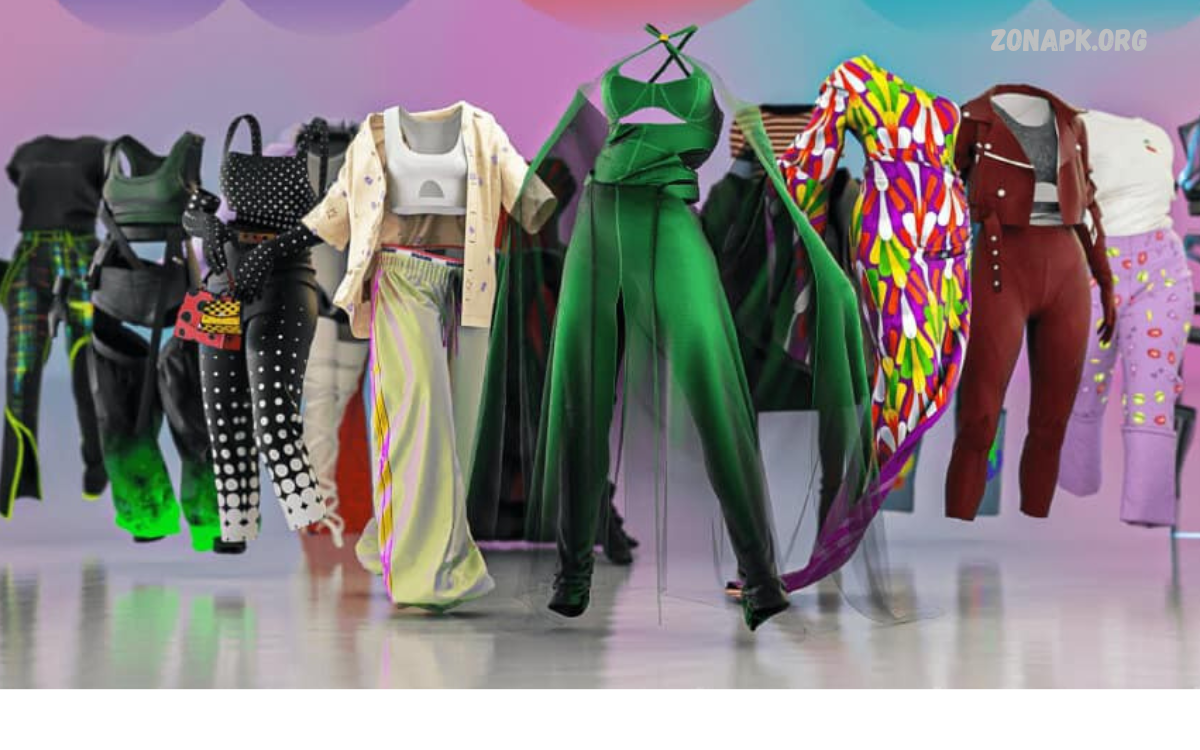
Digital fashion assets are transforming the way we perceive, create, and consume fashion in the modern era. Unlike traditional clothing, these assets exist entirely in the digital realm, encompassing 3D garments, virtual accessories, NFTs, and augmented reality (AR) wearables. They are designed using advanced software and often integrated into virtual environments, gaming platforms, and social media, offering users a unique opportunity to express their personal style online.
The rise of digital fashion assets is fueled by the growing popularity of virtual worlds, the metaverse, and blockchain technology. Brands and designers are leveraging these assets not only to innovate creatively but also to engage audiences in entirely new ways. Digital fashion allows for sustainable practices by reducing the need for physical production, minimizing waste, and enabling endless customization.
Growth of Digital Fashion Assets
The market for digital fashion assets has grown rapidly, driven by advancements in technology, consumer demand for virtual experiences, and the emergence of the metaverse. Global brands, from luxury fashion houses to emerging designers, invest heavily in creating digital collections, often launching limited-edition assets that mirror high-end physical garments.
Blockchain technology ensures transparency, ownership verification, and secure transactions, encouraging collectors and enthusiasts to invest in rare digital fashion assets. Virtual events, fashion shows, and NFT drops generate excitement, creating a fusion of art, technology, and commerce.
Benefits of Digital Fashion Assets
1. Sustainability
Digital fashion assets reduce environmental impact by eliminating the need for fabric production, dyeing, transportation, and waste. Virtual clothing offers an eco-friendly alternative to fast fashion, encouraging designers to innovate without overproducing physical garments.
2. Creativity and Customization
Designers can experiment with shapes, textures, and colors that may be impossible to produce physically. Consumers can personalize digital fashion assets, ensuring unique digital identities and styles.
3. Accessibility and Inclusivity
Digital fashion assets allow people worldwide to access luxury fashion without geographical or economic barriers. Avatars of any size, shape, or style can wear virtual garments, promoting inclusivity and diversity.
4. Economic Opportunities
The digital fashion ecosystem creates new revenue streams for designers and brands. NFTs, virtual marketplaces, and collaborations generate monetization opportunities while providing collectors with valuable digital assets.
Applications in Gaming and Virtual Worlds
Digital fashion assets have become integral in gaming, virtual worlds, and social media platforms. Avatars in popular games such as Fortnite, Roblox, and Decentraland wear virtual outfits, often reflecting real-world fashion trends. These assets enhance immersion, allowing players to express personality, status, and style digitally.
Virtual fashion shows in metaverse environments provide interactive experiences where attendees view digital fashion assets, engage with designers, and purchase exclusive collections. This integration of fashion and gaming strengthens community engagement and brand loyalty.
Read Also: NFT Artwork Trends 2026 – Professional Analysis Digital Art Evolution
NFTs and Ownership of Digital Fashion Assets
Non-fungible tokens (NFTs) revolutionize ownership of digital fashion assets. NFTs provide proof of authenticity, scarcity, and uniqueness, making virtual garments valuable digital collectibles. NFT platforms allow designers to sell limited-edition assets directly to consumers, bypassing traditional retail.
Ownership of NFT-based fashion assets can lead to appreciation, creating investment opportunities for collectors. Blockchain technology ensures transparency and security, protecting digital assets against duplication or fraud.
Future of Digital Fashion Assets
The future of digital fashion assets is intertwined with virtual reality (VR), augmented reality (AR), and artificial intelligence (AI). AI-driven design tools streamline asset creation by providing predictive insights, automated customization, and intelligent suggestions. AR applications enable consumers to try digital fashion assets in real-world settings, seamlessly merging physical and digital experiences.
Digital fashion assets may become central to social identity in online communities, shaping self-expression, status, and digital culture. Virtual marketplaces, NFT drops, and gamified fashion experiences will expand the digital economy, attracting designers, collectors, and enthusiasts globally.
Challenges and Considerations
Despite significant growth, digital fashion assets face challenges. High technical skill requirements, software costs, and digital literacy can limit accessibility for emerging designers. Environmental concerns around blockchain energy consumption require sustainable solutions, such as energy-efficient networks or carbon offsetting.
Additionally, intellectual property rights and copyright issues need careful consideration to protect designers and prevent counterfeit digital assets. Security of NFTs and virtual marketplaces remains crucial, as cyber threats could undermine consumer confidence.
Frequently Asked Questions
Can digital fashion assets be bought or sold?
Yes. Many digital fashion assets are sold through online marketplaces and NFT platforms. Ownership can be verified using blockchain technology, allowing secure buying, selling, and trading.
Why are digital fashion assets popular?
Popularity stems from creativity, customization, sustainability, and virtual social interaction. They allow self-expression without physical constraints and offer collectors potential investment value.
How do NFTs relate to digital fashion assets?
NFTs serve as proof of ownership and authenticity for digital fashion assets. They ensure scarcity, prevent duplication, and allow trading in secure digital marketplaces.
Are digital fashion assets environmentally friendly?
Digital fashion assets reduce environmental impact by eliminating fabric production, shipping, and physical waste. However, blockchain energy consumption can be a concern, requiring energy-efficient solutions.
Which industries use digital fashion assets?
Gaming, virtual worlds, social media, luxury fashion, and e-commerce industries widely use digital fashion assets for branding, marketing, and user engagement.
Can anyone create digital fashion assets?
Yes, but creating high-quality digital fashion assets requires 3D modeling skills, AR/VR knowledge, and familiarity with blockchain or NFT platforms for monetization.
What is the future of digital fashion assets?
The future includes AI-driven designs, AR try-ons, immersive metaverse experiences, and broader adoption in social media, gaming, and fashion e-commerce, creating a thriving virtual fashion economy.
Conclusion
Digital fashion assets represent a paradigm shift in the fashion industry, blending art, technology, and commerce in virtual spaces. These assets offer creativity, sustainability, accessibility, and new economic opportunities, making them a key component of future fashion ecosystems.
As the digital world expands, digital fashion assets will continue to influence trends, consumer behavior, and virtual identity, ensuring a vibrant intersection between style, technology, and the virtual economy.
