

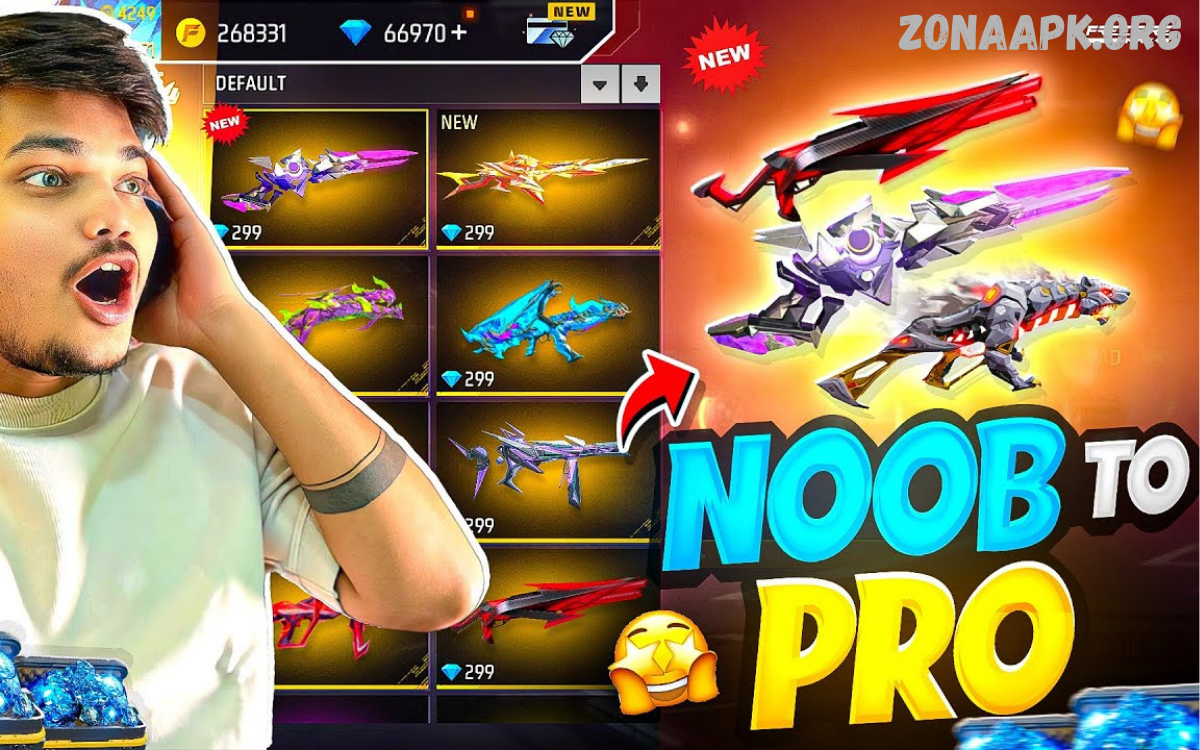
Limited-edition skins have become a defining feature of modern gaming, offering players a unique way to express their individuality and stand out in crowded virtual worlds. Unlike standard cosmetics, these skins are often available for a short period, tied to special events, collaborations, or seasonal promotions.
The appeal of limited edition skins goes beyond mere aesthetics. For many players, they serve as status symbols, signaling dedication, early adoption, or achievement within a game. Designers often push the boundaries of creativity with these skins, incorporating intricate animations, rare color schemes, or thematic designs inspired by pop culture, historical events, or in-game lore.
Psychological Impact on Players
Limited edition skins operate at the intersection of psychology, marketing, and gaming culture. Scarcity triggers the fear of missing out (FOMO), encouraging rapid acquisition behavior. Possession of rare skins provides social recognition, signaling dedication, expertise, or early adoption. Players often display these skins during multiplayer sessions, streaming content, or social media posts, transforming virtual assets into symbols of identity and status.
Exclusivity enhances emotional investment. Players associate limited-edition skins with achievement, event participation, or historical significance within the game. Nostalgia also plays a role, as seasonal or anniversary releases evoke memories of past gameplay experiences, fostering long-term loyalty to both titles and developers.
Design Principles Behind Limited Edition Skins
Designing limited edition skins requires strategic creativity. Developers must balance uniqueness, aesthetic appeal, and thematic relevance. Key considerations include:
- Color Schemes – Eye-catching combinations distinguish skins from standard items. Gradient effects, metallic finishes, or neon accents enhance visual appeal.
- Animations and Effects – Motion design, particle effects, or sound integration increase immersion and interactivity.
- Lore Integration – Skins often reference in-game history, characters, or events, strengthening narrative cohesion.
- Cultural Relevance – Collaborations with pop culture icons, movies, or real-world events expand audience reach and desirability.
Innovation ensures that limited edition skins remain memorable, collectible, and relevant. Players recognize effort invested in design quality, contributing to perceived value and market demand.
Market Dynamics and Monetization
Limited edition skins influence in-game economies significantly. Scarcity and exclusivity drive sales of microtransactions, battle passes, and event bundles. Secondary markets, including player-to-player trading, often emerge around rare skins, establishing additional revenue streams and cultural value.
Developers strategically schedule releases to coincide with marketing campaigns, seasonal events, or esports tournaments. This timing maximizes visibility and reinforces community engagement. Analytics tracking acquisition patterns, user retention, and social interactions informs future design decisions, ensuring the continued relevance of limited-edition skins within evolving gaming landscapes.
Community Engagement and Cultural Impact
Limited edition skins cultivate active communities. Forums, social media channels, and streaming platforms amplify discussion around rare releases. Players share acquisition strategies, display collections, and provide feedback on design aesthetics. This community-driven discourse enhances brand visibility, drives engagement, and fosters loyalty.
Culturally, limited edition skins influence perceptions of digital identity. They function as status markers, allowing players to differentiate themselves within competitive or social contexts. Cross-title collaborations expand cultural resonance, connecting gaming experiences with broader entertainment ecosystems.
Challenges in Limited Edition Skin Deployment
Despite the benefits, limited edition skins present challenges. Over-saturation risks diminishing perceived value, while poorly executed designs can generate negative feedback. Pricing strategies must balance accessibility with exclusivity, avoiding alienation of casual players.
Moreover, developers must anticipate technical constraints. Compatibility with diverse platforms, in-game balance, and long-term storage require careful planning. Ensuring that limited edition skins integrate seamlessly without disrupting gameplay or performance remains essential for player satisfaction.
Read Also: Best Smartphones for Gaming Under $300
Case Studies and Industry Examples
Several prominent gaming franchises exemplify effective limited-edition skin strategies. Games leveraging seasonal releases, esports tie-ins, and celebrity collaborations demonstrate high engagement, revenue generation, and community enthusiasm. Rare skins tied to competitive milestones or iconic events often become symbols of achievement, driving long-term retention and ongoing player investment.
Cross-industry partnerships also illustrate value creation. Limited edition skins associated with movies, music artists, or cultural events extend the game’s reach, attracting diverse audiences and generating viral content. These strategies emphasize the dual role of limited edition skins as both revenue instruments and cultural artifacts.
Future Trends in Limited Edition Skins
The evolution of limited edition skins will likely incorporate augmented reality (AR), virtual reality (VR), and blockchain-based ownership. AR and VR can enhance visual and interactive elements, increasing immersion and player engagement. Blockchain technologies may introduce verifiable scarcity, enabling true digital ownership, secure trading, and long-term collectibility.
Additionally, procedural generation, AI-assisted design, and user-generated content may expand the variety and personalization of limited edition skins. Players could receive custom designs, enhancing identity expression while maintaining rarity and exclusivity.
Frequently Asked Questions
Do limited edition skins lose value over time?
Some skins gain value, especially if they are permanently unavailable or tied to historical in-game events. Others may decline in popularity as new releases replace them.
Can limited edition skins be traded or sold?
Depending on the game, some limited edition skins can be traded between players or sold on secondary marketplaces. Blockchain-based skins provide verifiable ownership and secure trading opportunities.
Are limited edition skins released globally or regionally?
Release strategies vary. Some skins are available worldwide, while others may be targeted to specific regions or platforms, creating localized scarcity and engagement.
How do limited edition skins impact the gaming community?
They foster engagement, discussion, and social interaction. Players often showcase skins, share acquisition tips, and participate in events, strengthening community culture.
What trends are shaping the future of limited edition skins?
Future trends include integration with VR/AR experiences, AI-generated designs, blockchain-based ownership, and personalized cosmetic options, enhancing immersion, collectibility, and player identity.
Conclusion
Limited edition skins exemplify the intersection of creativity, psychology, and market strategy in modern gaming. They enhance identity, foster community engagement, and provide developers with monetization opportunities. Scarcity, aesthetic innovation, and cultural resonance ensure that these skins remain valuable assets for both players and studios.
As gaming ecosystems continue to expand, limited edition skins will evolve alongside technology and player expectations. Their role as symbols of individuality, achievement, and cultural relevance ensures that they remain central to the gaming experience, bridging entertainment, identity, and the digital economy in innovative ways.
