

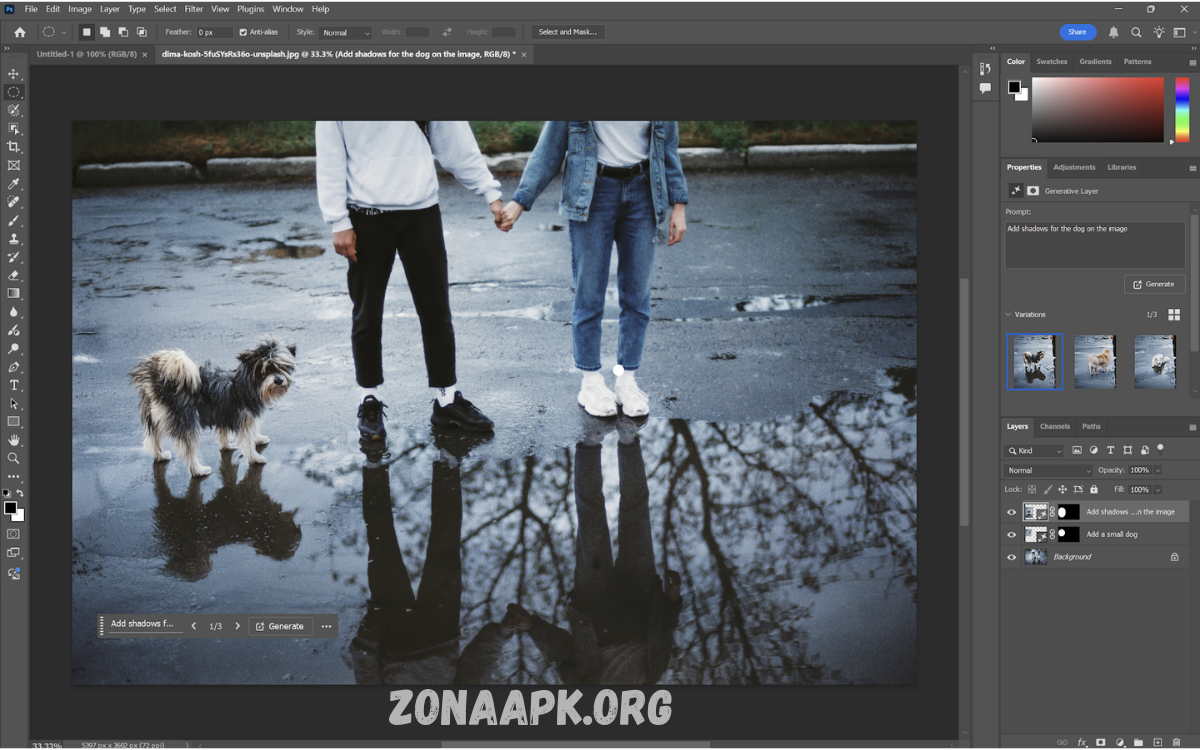
Photo editing has evolved far beyond simple filters and basic adjustments. The best photo editors now combine powerful artificial intelligence with intuitive design, allowing both professionals and beginners to produce stunning visuals with minimal effort.
What sets the top photo editors apart today is their balance between automation and creative control. Users can rely on smart features for quick edits while still diving deep into manual adjustments such as color grading, masking, and layer-based compositions.
Evolution Toward Best Photo Editor 2026
Earlier photo editing software emphasized manual adjustments, exposure correction, contrast tuning, cropping, and color balance. Contemporary systems integrate AI-driven engines capable of scene recognition, object segmentation, generative fill, and automated retouching.
Best photo editor 2026 no longer functions as a simple editing utility. Instead, it operates as an intelligent, creative platform supporting:
- Context-aware adjustments
- Neural enhancement pipelines
- Semantic masking
- Non-destructive editing layers
- Cloud-synced asset management
A shift toward automation reduces repetitive work while preserving professional-level output quality.
Core Features Defining Best Photo Editor 2026
AI-Powered Enhancement Engine
Advanced neural networks analyze image structure, lighting distribution, and subject focus. Automatic correction includes:
- Exposure balancing
- Noise reduction
- Sharpness refinement
- Skin smoothing without detail loss
High-end editors allow parameter tuning alongside AI suggestions, ensuring creative authority remains intact.
Generative Editing Capabilities
Generative AI represents defining innovation, shaping the best photo editor 2026. Features include:
- Object insertion based on text prompts
- Background reconstruction
- Scene expansion beyond original frame
- Intelligent object removal with realistic fill
Generative workflows reduce dependency on stock resources, enabling custom visual production.
Layer-Based Non-Destructive Workflow
Professional editing requires reversible operations. Best photo editor 2026 supports:
- Multi-layer composition
- Adjustment layers
- Mask refinement tools
- Smart objects
Non-destructive pipeline ensures flexibility during iterative design stages.
Precision Masking Technology
Modern masking tools utilize edge detection, subject recognition, depth mapping. Capabilities include:
- Hair-level selection accuracy
- Depth-based masking
- Automatic subject isolation
- Gradient-based blending
Precision masking enhances compositing quality, especially within commercial photography workflows.
Real-Time Rendering Performance
GPU acceleration, cloud rendering significantly improve editing speed. Best photo editor 2026 delivers:
- Instant preview updates
- Lag-free high-resolution editing
- Multi-layer rendering without delay
Performance optimization remains critical for professional efficiency.
Cross-Platform Synchronization
Creative professionals operate across desktop, tablet, mobile devices. Leading editors provide:
- Cloud-based file syncing
- Version control
- Collaborative editing environments
Seamless integration ensures an uninterrupted workflow regardless of device.
Advanced Color Grading Tools
Color grading defines visual identity. Best photo editor 2026 includes:
- LUT integration
- HDR editing support
- Tone curve precision controls
- Selective color adjustment
Professional-grade color pipelines support cinematic output.
Leading Solutions Representing Best Photo Editor 2026
Adobe Photoshop (AI-Enhanced Version)
Industry-standard platform continues dominance through AI integration, generative fill, neural filters. Extensive plugin ecosystem supports advanced workflows.
Lightroom Advanced Cloud Suite
Focused on photographers requiring efficient batch editing, catalog management, consistent color grading across large image sets.
Capture One Pro AI
Preferred by studio professionals requiring superior color accuracy, tethered shooting, high-end RAW processing.
Luminar Neo AI
Specialized AI editing platform delivering an automation-first experience with minimal manual input.
Affinity Photo 2+ Evolution
Cost-efficient alternative offering professional features, high performance, strong layer system without a subscription model.
Read Also: Popular Emote Trends – Evolution, Impact, and Future of Digital Expression
Workflow Optimization Using Best Photo Editor 2026
Professional workflow requires a structured approach to maximize efficiency:
Step 1: Import + Organization
Use tagging, metadata sorting, and smart collections for asset management.
Step 2: Initial AI Enhancement
Apply automatic corrections to establish baseline image quality.
Step 3: Manual Refinement
Fine-tune exposure, contrast, highlights, shadows using precision tools.
Step 4: Masking + Local Adjustments
Apply targeted edits enhancing subject prominence.
Step 5: Creative Effects + Color Grading
Develop stylistic consistency aligned with project requirements.
Step 6: Export Optimization
Adjust resolution, compression, and format depending on platform usage.
AI Impact on Best Photo Editor 2026
Artificial intelligence reshapes editing paradigm:
- Reduces manual labor
- Enhances consistency across image sets
- Enables non-experts to achieve professional-quality results
- Accelerates production timelines
However, over-reliance on automation may reduce creative uniqueness. Balanced approach recommended.
Performance Benchmarks for Best Photo Editor 2026
Evaluation criteria include:
- Processing speed (GPU acceleration efficiency)
- File handling capability (large RAW formats)
- Stability under heavy workload
- Memory optimization
Professional environments require consistent performance across large-scale projects.
User Experience Considerations
The best photo editor 2026 must maintain an intuitive interface design while supporting advanced features. Key aspects include:
- Minimal learning curve for beginners
- Customizable workspace for professionals
- Responsive tool interaction
- Logical menu architecture
Usability directly impacts productivity.
Security + Cloud Integration
Cloud-based editing introduces security requirements:
- End-to-end encryption
- Secure file storage
- Backup redundancy
Best photo editor 2026 ensures data integrity alongside accessibility.
Pricing Models
Market offers multiple pricing structures:
- Subscription-based (continuous updates)
- One-time license (long-term cost efficiency)
- Freemium models (limited features)
Selection depends on usage frequency, professional requirements, and budget constraints.
Choosing the Best Photo Editor 2026
The decision-making process should consider:
- Skill level (beginner vs professional)
- Required features (AI tools, layers, RAW support)
- Hardware compatibility
- Budget allocation
- Workflow requirements
No single solution fits every user. Optimal choice aligns with specific creative objectives.
Future Trends Beyond 2026
Emerging innovations expected include:
- Fully AI-generated compositions from text prompts
- Real-time collaborative editing in virtual environments
- Augmented reality-based editing interfaces
- Deeper integration with video editing platforms
Continuous advancement ensures photo editing remains a dynamic field.
Frequently Asked Questions
What defines the best photo editor 2026?
Best photo editor 2026 combines AI-powered automation, high-performance processing, non-destructive editing, advanced color grading, cross-platform compatibility, and an intuitive interface.
Which features matter most within the best photo editor 2026?
Key features include generative editing, precision masking, RAW processing, a layer-based workflow, cloud synchronization, real-time rendering, and AI-enhancement tools.
Does the best photo editor 2026 require professional skills?
No. Modern tools integrate automation supporting beginners, while advanced controls remain available for professional-level editing.
Is AI necessary within the best photo editor 2026?
AI functionality significantly improves efficiency, accuracy, and workflow speed. The absence of AI reduces the competitiveness of modern editing solutions.
Can the best photo editor 2026 handle high-resolution images?
Yes. Leading editors support large RAW files, high-resolution outputs, and GPU acceleration, ensuring smooth processing.
What differentiates free vs paid photo editors in 2026?
Free tools offer basic editing features. Paid solutions provide advanced AI tools, professional color grading, faster processing, and extended file support.
Conclusion
Best photo editor 2026 represents the convergence of artificial intelligence, high-performance computing, and user-centric design. Modern tools eliminate technical barriers, enabling creators to focus on artistic vision rather than repetitive processes.
Selection of the best photo editor in 2026 requires evaluating features, workflow compatibility, and performance metrics. Professionals benefit from advanced control systems, while beginners gain access to automated enhancement capabilities.
