

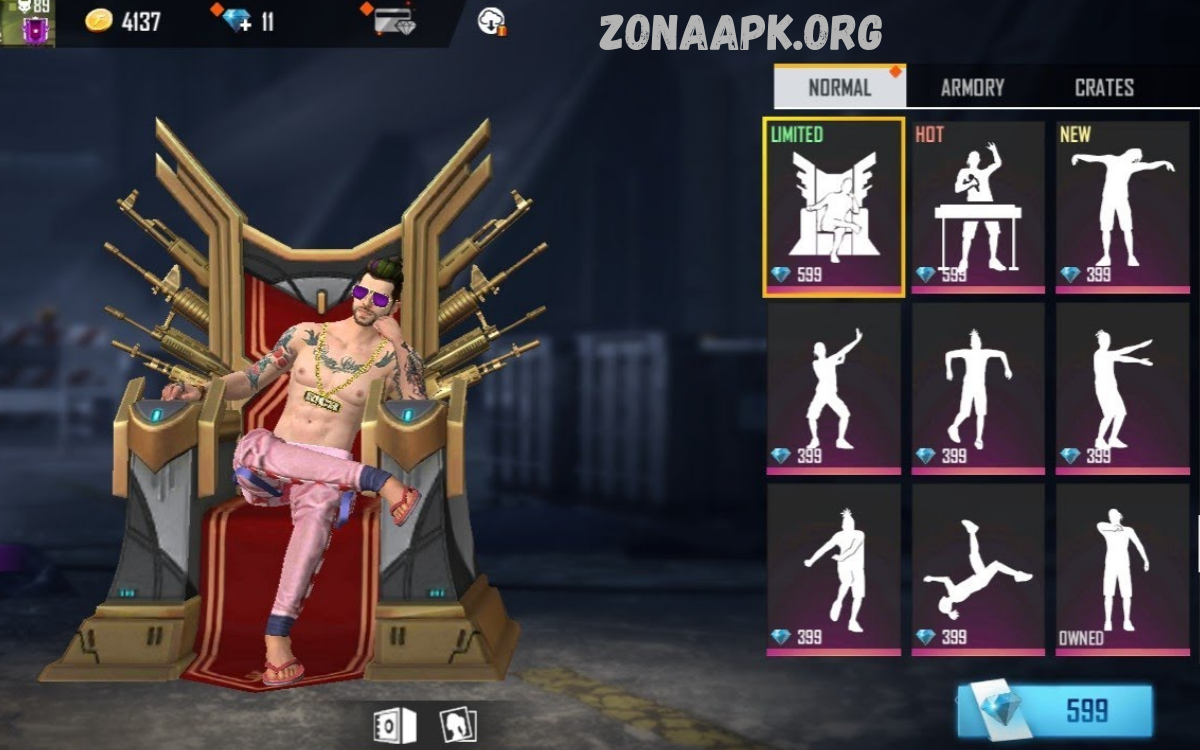
Emote trends have become a defining element of modern digital communication, shaping how users express emotion, humor, and identity across platforms such as Twitch, Discord, TikTok, and various messaging apps. Originally limited to simple emoticons like 🙂 or :(, emotes have evolved into complex visual symbols that carry nuanced cultural meaning within online communities.
Popular emote trends frequently emerge from livestream culture, where audiences collectively adopt specific emotes to react in real time to gameplay, commentary, or viral moments. Over time, these emotes spread beyond their original communities, becoming part of the broader internet vocabulary.
Evolution of Emotes in Digital Communication
Early Text-Based Emoticons
The earliest stage of emoticon culture emerged in the form of text-based emoticons such as 🙂 and :-(. These symbols were designed to convey emotional tone in otherwise plain-text communication. At the time, digital communication lacked vocal tone and facial expression, leading to misunderstandings.
Despite their simplicity, these early symbols laid the foundation for modern emotive systems. They introduced the concept that visual shorthand could enhance clarity and emotional depth in digital messaging.
Transition to Graphic Emotes
With advancements in internet speed, graphical user interfaces, and messaging platforms, emoticons evolved into graphical emojis and platform-specific emotes. These images provided richer emotional representation, allowing users to express complex feelings such as sarcasm, joy, frustration, and irony more effectively.
This shift marked the beginning of structured emote libraries, where platforms curated sets of standardized visual expressions. Over time, users began to adopt and adapt these symbols in creative ways, leading to early forms of emote-based culture.
Emergence of Platform-Specific Emote Culture
Livestreaming Platforms and Community Identity
The rise of livestreaming platforms significantly accelerated the development of popular emote trends. Communities formed around streamers began using custom emotes to react to live events in chat. These emotes often originated from inside jokes, streamer expressions, or viral moments captured on stream.
As these communities grew, emotes became a form of identity. Users who understood and used specific emotes demonstrated a sense of belonging and familiarity with the community’s culture. This created a feedback loop where emote usage reinforced group cohesion and encouraged further adoption.
Gaming Communities and Real-Time Expression
Online gaming environments also played a major role in shaping emotive trends. Fast-paced gameplay required rapid communication, and emotes provided an efficient way to express reactions without interrupting gameplay. Whether celebrating a victory or reacting to a mistake, emotes allowed players to communicate instantly.
Gaming communities often repurposed existing emotes or created new ones tied to specific games, characters, or events. This contributed to a dynamic ecosystem in which emotes evolved alongside the game culture itself.
Characteristics of Popular Emote Trends
Virality and Rapid Adoption
One defining feature of popular emote trends is their viral nature. Emotes often gain popularity rapidly after being associated with a humorous, emotional, or unexpected moment. Once adopted by influential streamers or community leaders, these emotes spread quickly across chat environments.
Virality is reinforced by repetition. As users see emotes used frequently in different contexts, they begin to adopt them themselves, further accelerating the trend.
Contextual Flexibility
Successful emotes often possess high contextual flexibility. This means they can be used in multiple situations while still retaining meaning. For example, a single emote may represent laughter, sarcasm, or disbelief depending on the context of the conversation.
This flexibility increases their longevity and relevance within digital communities.
Emotional Amplification
Emotes function as emotional amplifiers. They enhance the intensity of reactions in digital communication, making messages more expressive and engaging. Instead of typing long responses, users can rely on emotes to convey immediate emotional states.
This efficiency is particularly important in fast-moving chat environments where messages scroll rapidly.
Influence of Meme Culture on Emote Trends
Meme culture has a direct and powerful influence on popular emote trends. Many emotes originate from viral images, reaction faces, or culturally significant moments that are transformed into reusable icons. Once integrated into emote libraries, these images take on new meanings shaped by community interpretation.
Memes provide a foundation for shared humor, and emotes serve as condensed versions of them. This relationship allows emotes to evolve continuously as they are reinterpreted by different online groups.
Additionally, meme-driven emotes often carry layered meanings. A single emote may reference a specific event while also being used in unrelated humorous contexts. This layering contributes to the richness of emotion-based communication.
Psychological and Social Impact of Emote Usage
Emotional Expression in Digital Spaces
Human communication relies heavily on facial expressions and tone. In digital environments where these cues are absent, emotes fill the gap by providing visual indicators of emotion. This enhances empathy and reduces misinterpretation in online conversations.
Users often feel more connected when they can visually express reactions, making communication more engaging and emotionally resonant.
Community Belonging and Identity
Emotes also serve as markers of identity within online communities. Familiarity with specific emote sets signals membership and cultural understanding. This creates a sense of belonging among users who share common digital language.
In some cases, emote usage becomes so central to a community that it forms a distinct subculture with its own norms, humor, and communication style.
Cognitive Efficiency
From a cognitive perspective, emotes reduce the mental load required for communication. Instead of constructing full sentences, users can convey complex emotional states with a single symbol. This efficiency is particularly valuable in high-speed digital environments.
Read Also: Unlimited Coins MOD – Complete Professional Guide to Features, Benefits, Risks, Usage
Monetization and Commercialization of Emotes
Subscription-Based Emote Systems
Many platforms have introduced monetization models that allow users to access exclusive emotes through subscriptions. This has created a market where emotes are not only cultural artifacts but also economic assets.
Streamers and content creators often design custom emotes to enhance subscriber engagement. These emotes become part of their brand identity and contribute to community loyalty.
Brand Integration and Marketing
Brands have also recognized the value of emotes in digital marketing. By integrating emote-style visuals into campaigns, companies can engage younger audiences more effectively. Emotes provide a relatable and informal communication style that aligns with modern internet culture.
This integration has further solidified the role of emotes in both entertainment and commerce.
Globalization of Emote Culture
The rise of global internet access has led to the cross-cultural exchange of emote trends. Emotes created in one region or community often spread worldwide, transcending language barriers.
This globalization has resulted in a shared visual language that connects users across different cultures. However, interpretations of emotes may still vary depending on cultural context, adding complexity to their usage.
Despite these differences, emotes remain one of the most universal forms of digital expression available today.
Future of Popular Emote Trends
AI-Generated Emotes
Artificial intelligence is expected to play a significant role in the future of emote creation. AI systems can generate personalized emotes based on user behavior, emotional patterns, and communication style. This will likely lead to highly customized digital expression systems.
Animated and Interactive Emotes
The next stage of evolution includes animated and interactive emotes that respond dynamically to user input or context. These emotes may change appearance based on conversation tone or environmental triggers within digital platforms.
Integration into Virtual and Augmented Reality
As virtual reality and augmented reality environments expand, emotes will likely evolve into 3D expressions or avatar-based gestures. Instead of static images, users may perform emote-like actions using virtual avatars, creating more immersive communication experiences.
Challenges Facing Emote Ecosystems
Oversaturation
With the rapid expansion of emote libraries, users may experience oversaturation, making it harder for new emotes to gain traction. The abundance of options can dilute meaning and reduce the impact of individual emotes.
Misinterpretation
While emotes enhance communication, they can also lead to misinterpretation, especially across cultural or linguistic boundaries. The same emote may carry different meanings depending on context or community usage.
Platform Fragmentation
Different platforms maintain separate emote systems, leading to fragmentation. An emote popular on one platform may not exist or have the same meaning on another, limiting universal standardization.
Frequently Asked Questions
What are popular emote trends?
Popular emote trends refer to widely used and rapidly spreading digital expressions (emotes) across platforms like Twitch, Discord, and social media that represent reactions, emotions, or memes.
Why do emote trends become popular?
Emote trends become popular due to viral moments, streamer influence, meme culture, and community adoption. Once a large audience starts using an emote, it spreads quickly across platforms.
Where are emote trends most commonly used?
Emote trends are most common on livestreaming platforms, gaming chats, and messaging communities where real-time communication requires fast emotional expression.
How do emotes influence online communication?
Emotes enhance communication by adding emotional context, reducing misunderstandings, and allowing users to express reactions instantly without typing full sentences.
What role does meme culture play in emote trends?
Meme culture heavily influences emotes by transforming viral images or jokes into reusable digital symbols that communities adopt and remix over time.
Can emotes represent different meanings in different communities?
Yes. The same emote can carry different meanings depending on the community, context, or platform where it is used.
Conclusion
The landscape of popular emote trends reflects the continuous evolution of digital communication. From simple text-based emoticons to complex, community-driven visual languages, emotes have become essential tools for expression, identity, and interaction in online environments.
Their influence spans cultural, psychological, and economic dimensions, shaping how users communicate across platforms worldwide. As technology advances, emotes will continue to evolve, becoming more personalized, interactive, and immersive.
