
Abstract art is a creative and expressive style that focuses on colors, shapes, textures, and emotions rather than on realistic images. For beginners, abstract art offers the freedom to experiment without worrying about perfection or strict rules. It encourages imagination and allows artists to express thoughts and feelings in unique ways.
One of the best things about abstract art is that simple ideas can lead to powerful results. Beginners can start by playing with geometric patterns, color blending, brush strokes, or random shapes. Nature, music, emotions, and everyday objects can also inspire abstract creations. Techniques such as splattering paint, layering textures, or creating fluid designs are easy ways to explore creativity while developing artistic confidence.
Why Abstract Art Works Perfectly for Beginners
Abstract art encourages experimentation instead of technical perfection. Beginners often struggle with realistic anatomy, perspective, proportions, and shading. Abstract painting shifts focus toward emotion, movement, balance, and creativity. Simple shapes, contrasting colors, and textured surfaces create impressive artwork without requiring years of formal education.
Creative freedom also improves artistic motivation. New artists frequently abandon projects because results fail to match expectations. Abstract compositions allow personal interpretation, meaning that every painting succeeds through individuality. Bold brushstrokes, layered textures, and unexpected color combinations create visually engaging results even during early practice sessions.
Abstract projects also improve problem-solving skills. Artists learn composition balance, spatial awareness, visual rhythm, and emotional communication through experimentation. Every painting session develops confidence while encouraging creative risk-taking. Artistic growth becomes enjoyable rather than stressful.
Essential Supplies for Abstract Art Beginners
Starting in abstract painting requires simple materials rather than expensive professional equipment. Acrylic paints remain popular because they support fast drying, layering techniques, texture building, and color blending. Watercolors provide softer transitions, fluid effects, and delicate transparency. Mixed-media tools offer additional opportunities for experimentation.
Canvas panels, thick paper, and sketchbooks work effectively for practice sessions. Palette knives create textured surfaces while wide brushes produce expressive movement. Sponges, old credit cards, spray bottles, and masking tape generate unusual patterns, helping beginners explore unconventional techniques.
Color selection matters significantly during early projects. Limited palettes simplify compositional decisions while strengthening understanding of color harmony. Black, white, and primary colors create countless combinations supporting experimentation without overwhelming beginners.
Color Exploration Techniques
Color experimentation is a foundational practice in abstract painting. Beginners should explore warm tones, cool tones, complementary contrasts, and monochromatic schemes. Large color fields create emotional impact while layered gradients introduce movement, depth, and atmosphere.
Blending exercises improve confidence with paint handling. Wet-on-wet techniques produce smooth transitions, whereas dry brushing creates textured contrast. Palette knife blending generates energetic surfaces filled with expressive movement. Simple exercises involving three-color combinations help beginners understand visual harmony.
Unexpected color pairings often create the strongest abstract compositions. Neon shades combined with muted neutrals establish dramatic visual tension. Earth tones mixed with metallic accents produce a sophisticated contemporary aesthetic. Creative experimentation naturally reveals personal artistic preferences.
Geometric Abstract Art Ideas
Geometric abstraction provides structure helping beginners organize compositions effectively. Circles, triangles, rectangles, and intersecting lines create visually balanced arrangements without requiring realistic drawing abilities. Tape techniques simplify clean-edge painting while improving spatial organization skills.
Layered geometric forms create depth through overlapping patterns. Transparent paint applications allow underlying shapes to remain partially visible, creating a modern, contemporary aesthetic. Contrasting scale variations between large shapes and smaller details improve composition dynamics.
Minimalist geometric paintings also strengthen design understanding. Limited shapes, combined with strategic negative space, produce a sophisticated visual impact. Beginners learn balance, rhythm, symmetry, and asymmetry through straightforward projects requiring minimal technical complexity.
Fluid Painting Techniques
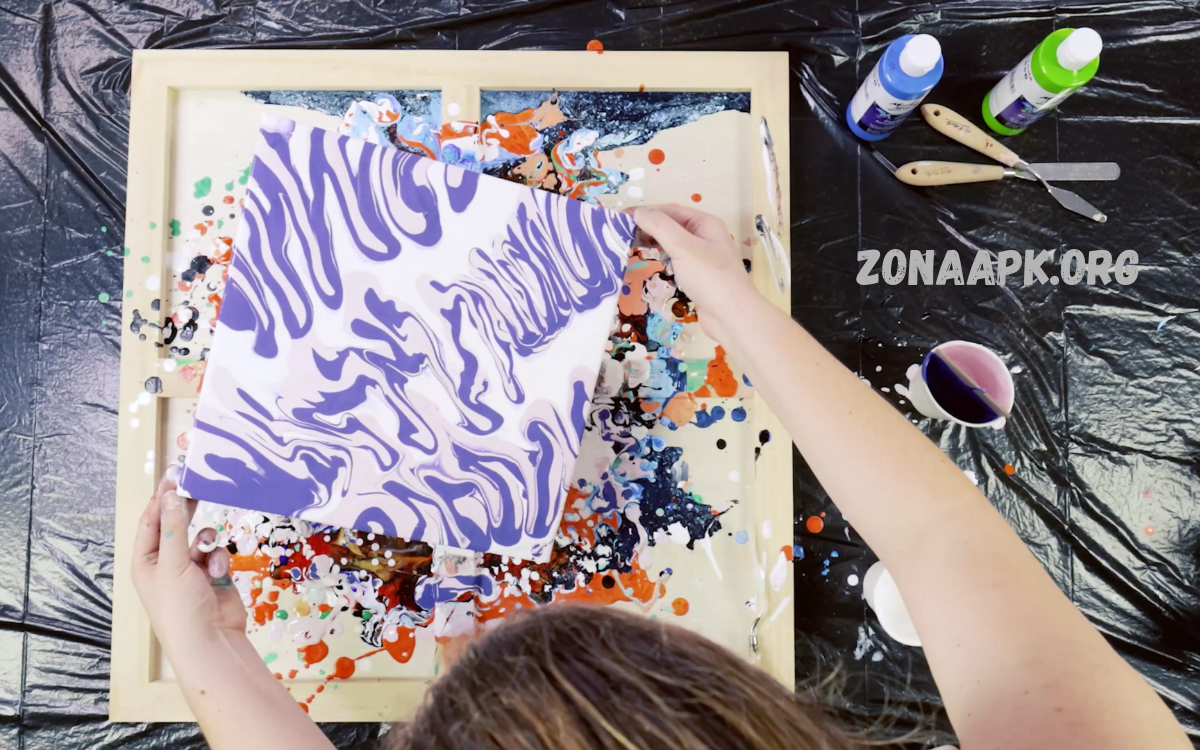
Fluid painting introduces exciting unpredictability, perfect for beginners seeking expressive results. Pouring acrylic paint across canvas surfaces creates organic movement, marbled textures, and flowing patterns. Silicone oil additions generate cellular formations, naturally enhancing visual complexity.
Color consistency significantly affects pouring outcomes. Thin paint mixtures move freely, whereas thicker applications create textured surfaces. Tilting canvases direct paint movement, producing wave-like structures, layered streams, and dramatic gradients. Beginners quickly achieve professional-looking effects through experimentation.
Dirty pours, flip cups, and swipe techniques offer endless opportunities for variation. Metallic pigments, glitter additives, and high-contrast palettes increase visual intensity. Fluid painting encourages creative spontaneity while reducing pressure connected with precise control.
Texture-Based Abstract Art Ideas
Texture transforms simple paintings into visually immersive experiences. Thick acrylic applications create dimensional surfaces reflecting light dramatically. Modeling paste, sand mixtures, tissue paper layering introduce tactile depth supporting expressive compositions.
Palette knives remain essential tools for textured painting. Scraping paint across canvas creates rough movement while layered strokes produce architectural visual effects. Combining smooth regions alongside textured areas establishes a strong contrast, increasing the composition’s interest.
Mixed materials expand creative possibilities further. Fabric pieces, newspaper fragments, cardboard shapes, and natural materials create collage-inspired abstract surfaces. Beginners discover unique artistic identities through texture experimentation rather than technical realism.
Minimalist Abstract Art Concepts
Minimalist abstract art emphasizes simplicity, balance, and intentional composition. Limited color palettes combined with sparse elements create sophisticated contemporary designs. Beginners benefit from minimalist projects because fewer details simplify decision-making and strengthen compositional awareness.
Large empty spaces improve visual breathing room within compositions. Single bold brushstrokes, isolated shapes, and subtle gradients create emotional resonance without visual clutter. Minimalism teaches restraint, encouraging thoughtful placement rather than excessive decoration.
Black-and-white minimalist paintings remain particularly effective for beginners. High contrast enhances composition clarity while removing color complexity. Line-focused artwork also develops understanding of movement, spatial balance, and visual rhythm.
Nature-Inspired Abstract Art Ideas
Nature offers endless inspiration for abstract compositions. Ocean waves, mountain textures, sunsets, forests, and flowers provide color schemes, movement patterns, and structural ideas supporting visually rich artwork. Beginners often feel more comfortable using familiar natural references.
Abstract landscapes simplify realistic scenery into expressive forms. Broad brushstrokes represent skies, while textured layers symbolize rocky surfaces. Water-inspired paintings frequently feature flowing blues, white splashes, and metallic reflections, creating a calming atmosphere.
Leaf prints, branch textures, and stone patterns also inspire mixed-media experimentation. Organic shapes soften compositions while maintaining natural harmony. Nature-based abstraction combines creativity alongside recognizable emotional themes.
Emotional Expression Through Abstract Art
Abstract painting functions powerfully as a form of emotional communication. Color intensity, brushstroke energy, and texture density strongly influence viewer perception. Beginners frequently discover emotional release through unrestricted creative expression.
Bright colors often symbolize excitement, optimism, and vitality. Dark tones create mystery, introspection, and drama. Aggressive brushwork conveys tension, while smooth gradients evoke calm. Emotional painting exercises strengthen artistic authenticity because compositions emerge from genuine personal experiences.
Music-inspired painting sessions further enhance emotional creativity. Rhythmic brushstrokes that match musical energy create spontaneous visual patterns. Emotional abstraction prioritizes feeling over realism, making every artwork deeply personal.
Black-and-White Abstract Painting Ideas
Monochrome abstract painting removes color distractions, allowing beginners to focus entirely upon composition, movement, and contrast. Black ink, charcoal, and acrylic paint create a dramatic visual impact through simplicity. High-contrast artwork often appears sophisticated despite straightforward execution.
Line exploration becomes central within black-and-white projects. Thick strokes generate bold emphasis while delicate lines introduce subtle movement. Crosshatching, splattering, and dripping techniques create layered textures, naturally increasing visual depth.
Negative space also gains importance within monochrome compositions. Empty regions balance dense, textured sections, improving visual clarity. Beginners strengthen composition instincts rapidly through limited-palette exercises.
Mixed Media Abstract Art Projects
Mixed-media abstraction combines painting with unconventional materials. Magazine cutouts, textured papers, fabrics, string, and foil create visually dynamic surfaces that support multidimensional compositions. Beginners enjoy mixed media because experimentation remains unrestricted.
Layering techniques improve depth significantly. Paint beneath collage elements creates an integrated visual flow while transparent glazes unify contrasting materials. Textured backgrounds strengthen composition complexity without requiring advanced technical skills.
Recycled materials also encourage sustainable creativity. Old newspapers, packaging, and cardboard scraps transform ordinary objects into artistic resources. Mixed media projects develop resourcefulness while encouraging innovative thinking.
Easy Abstract Art Exercises for Daily Practice
Consistent practice accelerates artistic improvement. Daily abstract exercises strengthen confidence while reducing creative hesitation. Five-minute color studies, quick line compositions, and texture experiments maintain artistic momentum without overwhelming beginners.
Automatic drawing exercises encourage spontaneity. Continuous-line sketches prevent overthinking while generating unexpected patterns. Random mark-making activities stimulate imagination, helping artists naturally discover unique visual styles.
Small canvas projects also improve comfort with experimentation. Mini paintings require less time, fewer materials, and lower emotional investment. Frequent practice sessions gradually build technical familiarity alongside artistic confidence.
Read Also: NFT Guide 2026 – Digital Ownership, Blockchain Innovation, NFT Market Growth
Common Beginner Mistakes Within Abstract Art
Many beginners overwork paintings through excessive adjustments. Continuous layering sometimes destroys the visual balance originally present during earlier stages. Learning when compositions feel complete remains an essential artistic skill developed through experience.
Fear of bold decisions also limits creative growth. Weak color contrast, hesitant brushwork, overcrowded compositions reduce visual impact. Confident experimentation often produces stronger artwork than cautious perfectionism.
Excessive copying of trends may also hinder the development of artistic identity. Inspiration supports growth, yet personal experimentation creates authentic creative voices. Beginners should explore multiple techniques before settling into preferred styles.
Building Personal Abstract Art Style
Every artist gradually develops recognizable visual characteristics through repeated experimentation. Preferred color palettes, brush techniques, textures, and composition choices naturally emerge during consistent practice. Personal style evolves rather than appearing instantly.
Art journals help track creative development effectively. Recording successful techniques, emotional responses, and color combinations supports intentional improvement. Reviewing earlier projects reveals growth patterns encouraging artistic confidence.
Exposure to diverse artistic influences also strengthens creative understanding. Studying contemporary abstraction, minimalist design, and expressionist techniques broadens the visual vocabulary. Inspiration combined with experimentation produces unique artistic perspectives.
Social Media Inspiration for Abstract Artists
Digital platforms provide valuable inspiration for beginners exploring abstract painting ideas. Online galleries showcase countless techniques involving fluid pours, geometric minimalism, textured canvases, and monochrome compositions. Observing professional workflows helps beginners understand composition structures, color relationships, and creative possibilities.
Photography also supports abstract inspiration. Close-up images featuring rust textures, reflections, architectural shadows, and peeling paint reveal unexpected visual patterns that are useful for composition. Every day, the surroundings frequently contain hidden abstract beauty waiting for artistic interpretation.
Creative communities additionally provide motivation, constructive feedback, and collaborative encouragement. Sharing artwork publicly increases accountability while building confidence through audience interaction. Beginner artists benefit significantly from supportive creative environments.
Benefits of Abstract Art Beyond Creativity
Abstract painting supports relaxation, stress reduction, and emotional clarity. Repetitive brush strokes combined with color exploration create meditative experiences that improve mental focus. Many beginners discover that painting becomes therapeutic and creatively fulfilling.
Creative activities additionally strengthen concentration, patience, and problem-solving abilities. Abstract composition requires decision-making that involves balance, contrast, movement, and relationships among textures. Artistic experimentation develops cognitive flexibility transferable to other disciplines.
Confidence growth remains another important benefit. Completing original artwork fosters a sense of accomplishment while reinforcing self-expression skills. Artistic success through abstract experimentation encourages broader creative exploration across multiple media.
Frequently Asked Questions
What makes abstract art beginner-friendly?
Abstract art removes the pressure associated with realistic drawing skills. Beginners can focus on creativity, color combinations, textures, shapes, and emotional expression instead of technical perfection. Freedom within abstract painting encourages confidence, experimentation, artistic growth.
Which paint works best for abstract art projects?
Acrylic paint remains popular because it dries fast, supports layering, texture creation, and blending techniques. Watercolors create softer visual effects while oil paints provide rich color depth. Beginners usually prefer acrylics because of their simple cleanup, affordability, and versatility.
Can beginners create abstract art without drawing skills?
Yes, abstract art does not require advanced drawing abilities. Simple lines, shapes, brushstrokes, and textures create visually engaging compositions. Creative experimentation matters more than realistic accuracy within abstract painting styles.
Which colors work best for abstract paintings?
Bold, contrasting palettes create a strong visual impact, while monochromatic schemes produce a sophisticated aesthetic. Warm tones generate energetic atmospheres, whereas cool tones create calming effects. Beginners should experiment with limited palettes before exploring complex combinations.
How can texture improve abstract artwork?
Texture adds depth, movement, and dimensional interest. Palette knives, thick paint layers, modeling paste, mixed materials create tactile surfaces, increasing visual complexity. Textured compositions often appear more dynamic, expressive, and professional.
What surfaces work best for abstract painting?
Canvas panels, stretched canvases, watercolor paper, and mixed-media sketchbooks effectively support abstract experimentation. Beginners often prefer affordable canvas boards because of their durability, convenience, and versatility during practice sessions.
Conclusion
Abstract art offers beginners unlimited opportunities for creativity, experimentation, and emotional expression. Simple shapes, layered textures, bold colors, and expressive brushwork transform blank surfaces into meaningful visual experiences without requiring advanced technical skills. Every project supports confidence growth while encouraging artistic individuality.
Beginners should prioritize experimentation over perfection. Consistent practice, curiosity, and fearless creativity gradually develop stronger artistic instincts alongside unique personal styles. Abstract painting remains accessible, rewarding, and deeply expressive for artists across every experience level. Through exploration, patience, and imagination, beginners discover abstract art, becoming a powerful, creative journey filled with inspiration, freedom, and artistic satisfaction.
