
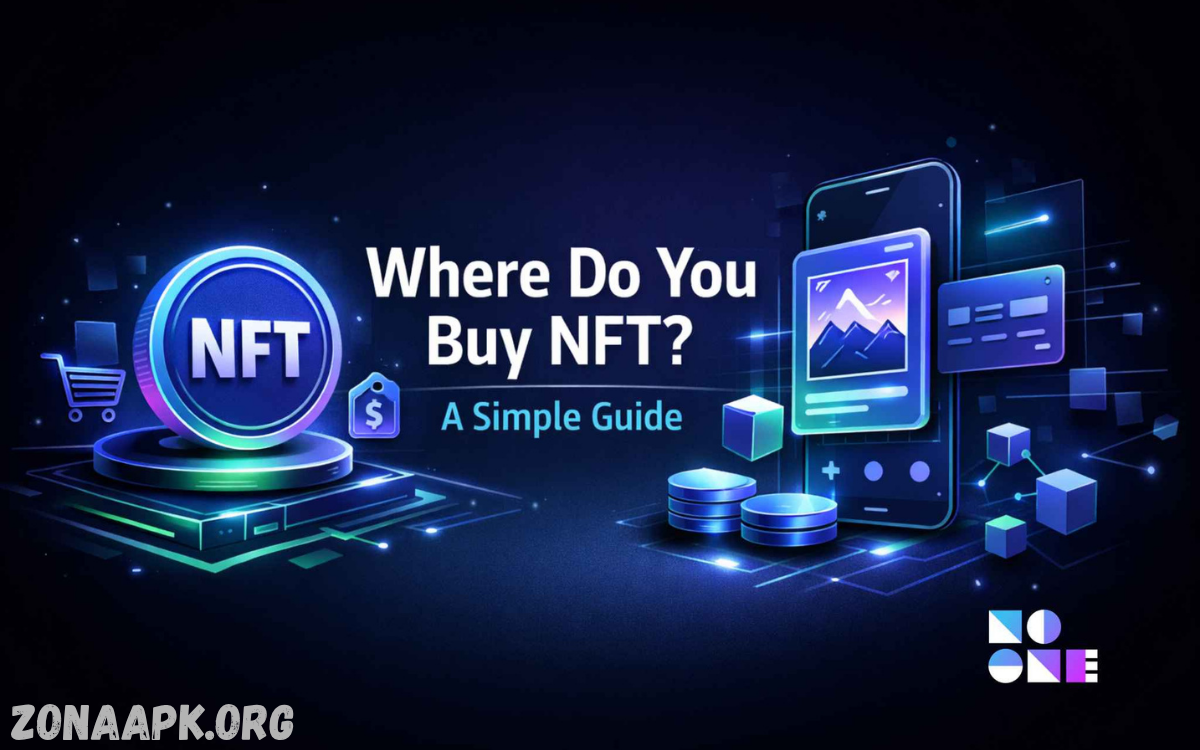
NFT stands for Non-Fungible Token, a unique digital asset stored on a blockchain that represents ownership of a specific item or piece of content. Unlike cryptocurrencies such as Bitcoin or Ethereum, which are interchangeable, NFTs are one-of-a-kind and cannot be replaced with something identical. They are commonly used for digital art, music, videos, gaming items, virtual real estate, and collectibles.
The popularity of NFTs has grown rapidly because they allow creators to sell digital work directly to buyers while proving authenticity and ownership. Each NFT contains unique metadata and identification codes that distinguish it from other tokens. Blockchain technology ensures transparency and security, making transactions traceable and difficult to counterfeit.
About NFT Technology
An NFT is a cryptographic token stored on blockchain infrastructure. Each NFT contains unique identification codes distinguishing assets from identical-looking copies. Traditional currencies remain interchangeable because equal values exist across units. NFT assets maintain uniqueness, scarcity, and ownership verification.
Blockchain technology powers NFT ecosystems through decentralized ledgers that record every transaction permanently. Smart contracts automate ownership transfers, royalty payments, and authentication processes without centralized intermediaries. Ethereum initially dominated NFT markets, but alternative blockchains, including Solana, Polygon, Binance Smart Chain, and Avalanche, gained popularity due to lower transaction fees and improved scalability.
NFT metadata may include digital artwork, music files, videos, gaming assets, documents, domain names, virtual land, and membership access credentials. Ownership records remain publicly verifiable across blockchain explorers, improving transparency.
NFT creation involves minting processes, converting digital files into blockchain assets. Creators upload content through NFT marketplaces, connecting blockchain wallets, smart contracts, and metadata systems. Minted NFTs become tradeable assets within decentralized marketplaces supporting peer-to-peer transactions.
Core NFT characteristics include:
- Uniqueness
- Scarcity
- Transparency
- Ownership verification
- Interoperability
- Blockchain security
- Decentralized control
These characteristics support NFT adoption across multiple industries seeking secure digital ownership frameworks.
NFT History And Market Evolution
NFT development originated in early blockchain experiments that explored digital scarcity concepts. Colored Coins emerged on Bitcoin networks in 2012, enabling the representation of unique digital assets. Later innovations, including CryptoPunks and CryptoKitties, demonstrated commercial potential regarding blockchain collectibles.
CryptoKitties significantly increased NFT awareness during 2017. Users purchased, traded, and bred digital cats stored on the Ethereum blockchain networks. Massive transaction activity temporarily congested Ethereum infrastructure, revealing scalability challenges alongside market demand.
NFT And Blockchain Integration
Blockchain infrastructure provides foundational security for NFT ecosystems. Distributed ledger systems store immutable ownership records across decentralized nodes, preventing unauthorized modification.
Ethereum remains dominant because advanced smart contract capabilities supporting ERC-721, ERC-1155 token standards. These standards define NFT creation, transfer, interoperability rules. Alternative networks address Ethereum limitations through improved scalability, reduced energy consumption, faster transaction speeds.
Popular NFT blockchain networks include:
Ethereum
Ethereum introduced mainstream NFT infrastructure supporting large marketplaces, advanced smart contracts, extensive developer ecosystems. High gas fees occasionally create accessibility concerns.
Solana
Solana offers rapid transactions, lower fees, scalable architecture suitable for gaming NFTs, mass-market adoption.
Polygon
Polygon functions alongside Ethereum, improving efficiency while reducing costs. Many NFT marketplaces utilize Polygon for environmentally conscious transactions.
Binance Smart Chain
Binance Smart Chain supports affordable NFT transactions while integrating large cryptocurrency exchange ecosystems.
Avalanche
Avalanche emphasizes speed, scalability, enterprise-level blockchain performance supporting decentralized applications, NFT marketplaces.
Smart contracts automate NFT royalty systems, ensuring creators receive percentages from secondary sales. Blockchain integration enhances trust, transparency, ownership security across digital marketplaces.
NFT Use Cases Across Industries
NFT applications extend far beyond digital art marketplaces. Multiple industries integrate NFT systems improving ownership management, customer engagement, monetization strategies.
NFT In Digital Art
Digital artists utilize NFT marketplaces for direct audience monetization without traditional gallery intermediaries. Blockchain verification authenticates original artwork ownership while enabling royalty generation from secondary transactions.
NFT platforms empower independent creators through global market access, transparent revenue systems, decentralized distribution models.
NFT In Gaming
Gaming companies implement NFT assets involving characters, weapons, skins, virtual land, accessories. Players gain true ownership regarding in-game assets tradable across compatible marketplaces.
Play-to-earn ecosystems reward participants using cryptocurrency incentives alongside NFT collectibles. Blockchain gaming combines entertainment, investment opportunities, digital economies.
NFT In Music
Musicians distribute exclusive albums, concert tickets, backstage access, limited-edition collectibles through NFT systems. Artists maintain stronger revenue control while building direct fan communities.
NFT music ecosystems reduce dependency upon streaming platforms, intermediaries, traditional distribution channels.
NFT In Real Estate
Virtual real estate platforms allow users purchasing land parcels within metaverse environments. NFT ownership records facilitate secure property transfers, leasing opportunities, digital commerce.
Physical real estate industries also explore NFT tokenization supporting fractional ownership systems.
NFT In Fashion
Fashion brands create digital wearables, luxury collectibles, authenticated ownership certificates through NFT technology. Virtual fashion markets continue expanding alongside metaverse adoption.
NFT authentication reduces counterfeit risks across luxury industries.
NFT In Ticketing
Event organizers integrate NFT ticketing systems improving fraud prevention, resale tracking, exclusive attendee experiences. Blockchain verification enhances ticket security.
Read Also: Fantasy Artwork Wallpaper 4K – Stunning Ultra HD Fantasy Background Collection
NFT Marketplaces And Ecosystems
NFT marketplaces facilitate minting, buying, selling, auctioning digital assets across blockchain networks. Marketplace selection depends upon blockchain compatibility, fees, audience reach, security features.
Popular NFT marketplaces include:
- OpenSea
- Blur
- Magic Eden
- Rarible
- Foundation
- SuperRare
Marketplace functionality generally includes:
- Wallet integration
- Smart contract execution
- Creator royalties
- Auction systems
- Collection verification
- Analytics dashboards
Users connect cryptocurrency wallets such as MetaMask, Phantom, Trust Wallet for NFT transactions. Wallet security remains essential because compromised wallets frequently cause asset losses.
Marketplace competition encourages innovation regarding user experience, analytics tools, creator monetization systems, community engagement features.
NFT Investment Opportunities
NFT investments attract collectors, traders, venture capital firms, institutional investors seeking exposure toward emerging digital economies. Successful NFT investing requires understanding scarcity, community strength, utility, creator reputation, market demand.
Investment categories include:
Collectible NFTs
Rare collectibles often appreciate because limited supply, historical significance, strong communities.
Utility NFTs
Utility NFTs provide memberships, governance rights, event access, software licenses, gaming functionality. Long-term value often depends upon ecosystem sustainability.
Metaverse Assets
Virtual land, buildings, advertising spaces represent growing investment categories across metaverse platforms.
Gaming NFTs
Blockchain gaming assets generate revenue opportunities through trading, staking, competitive participation.
Brand Collaborations
Major brand partnerships frequently increase NFT visibility, perceived legitimacy, market demand.
Investors should evaluate:
- Team credibility
- Smart contract security
- Market liquidity
- Community engagement
- Roadmap feasibility
- Blockchain scalability
- Intellectual property rights
NFT investments remain highly speculative. Diversification, risk management, technical research remain critical strategies.
NFT Risks And Challenges
NFT markets present several risks requiring careful consideration before participation.
Market Volatility
NFT prices fluctuate significantly because speculation, hype cycles, community sentiment shifts. Illiquid markets occasionally prevent profitable exits.
Copyright Issues
Unauthorized NFT minting involving stolen artwork creates legal disputes. Buyers should verify creator authenticity before purchasing assets.
Security Risks
Phishing attacks, wallet exploits, fraudulent marketplaces frequently target NFT users. Strong cybersecurity practices remain essential.
Regulatory Uncertainty
Governments worldwide continue developing cryptocurrency, NFT regulations affecting taxation, securities classification, consumer protection.
Environmental Concerns
Early blockchain systems consumed significant energy during transaction validation processes. Modern proof-of-stake networks reduced environmental impact substantially.
Scalability Problems
Network congestion occasionally increases transaction costs, processing delays, marketplace inefficiencies.
Professional risk assessment improves investment decision-making while minimizing exposure toward fraudulent projects, unsustainable ecosystems.
NFT And Metaverse Development
Metaverse ecosystems heavily depend upon NFT ownership frameworks supporting digital identity, virtual economies, interoperable assets. Users purchase virtual land, avatars, collectibles, event tickets, fashion items through blockchain systems.
NFT integration enhances metaverse experiences through:
- Verified ownership
- Cross-platform interoperability
- Digital commerce
- Creator monetization
- Community governance
- Identity authentication
Major technology companies invest heavily within metaverse infrastructure expecting future growth regarding virtual collaboration, entertainment, commerce, education.
Virtual worlds including Decentraland, The Sandbox, Otherside demonstrate NFT-powered economies involving land ownership, advertising, gaming, social interaction.
NFT assets increasingly function across interconnected virtual environments, strengthening decentralized digital ecosystems.
NFT Security Best Practices
NFT security requires proactive protection strategies because blockchain transactions remain irreversible after confirmation.
Essential security recommendations include:
Use Hardware Wallets
Hardware wallets provide offline storage reducing exposure toward online hacking attempts.
Verify Marketplace Authenticity
Users should confirm official marketplace domains before connecting cryptocurrency wallets.
Protect Private Keys
Private keys, recovery phrases require secure offline storage. Sharing credentials creates severe financial risks.
Research Smart Contracts
Audited smart contracts reduce vulnerability risks involving malicious coding practices.
Avoid Suspicious Links
Scammers frequently distribute phishing links through social media, messaging platforms, fake giveaways.
Enable Multi-Factor Authentication
Additional authentication layers improve account protection across exchanges, marketplaces.
Strong cybersecurity awareness remains essential for protecting valuable NFT collections.
NFT Regulation And Legal Frameworks
Governments increasingly examine NFT markets regarding taxation, anti-money laundering compliance, intellectual property rights, consumer protection regulations.
Regulatory considerations include:
- Capital gains taxation
- Securities classification
- Copyright enforcement
- Consumer disclosure requirements
- Marketplace licensing
- Identity verification compliance
Legal frameworks vary significantly across jurisdictions. Businesses operating NFT platforms require compliance strategies addressing regional cryptocurrency regulations.
Intellectual property rights remain particularly important because NFT ownership rarely transfers complete copyright ownership automatically. Buyers must review licensing terms carefully before commercial usage.
Future regulatory clarity may improve institutional confidence, broader market stability, mainstream adoption potential.
NFT Future Trends
NFT technology continues evolving rapidly alongside blockchain innovation, artificial intelligence integration, metaverse expansion.
Key NFT trends include:
Utility-Based NFTs
Functional NFTs providing memberships, subscriptions, governance rights increasingly outperform speculative collectibles.
Enterprise Adoption
Corporations integrate NFTs within loyalty programs, authentication systems, supply chain management.
AI And NFT Integration
Artificial intelligence enables dynamic NFT generation, adaptive digital experiences, automated personalization systems.
Cross-Chain Compatibility
Interoperability solutions improve NFT usability across multiple blockchain ecosystems.
Fractional Ownership
Fractional NFT systems allow shared ownership regarding expensive digital assets, improving accessibility.
Tokenized Real-World Assets
Real estate, luxury goods, intellectual property increasingly utilize NFT-backed ownership systems.
Sustainable Blockchain Infrastructure
Eco-friendly proof-of-stake networks reduce environmental criticism associated with blockchain technology.
NFT evolution likely supports broader digital transformation across entertainment, commerce, finance, education, identity management.
Frequently Asked Questions
What is an NFT?
NFT stands for Non-Fungible Token, a unique digital asset stored on blockchain technology that proves ownership and authenticity.
How do NFTs work?
NFTs operate on blockchain networks, using smart contracts that securely record ownership, transfer history, and digital asset information.
Why are NFTs valuable?
NFT value depends on rarity, creator reputation, utility, community demand, market trends, and ownership authenticity.
Which blockchain supports NFTs?
Ethereum remains the most popular blockchain for NFTs, although Solana, Polygon, Avalanche, and Binance Smart Chain also support NFT ecosystems.
Can NFTs represent physical assets?
Yes, NFTs can represent physical items such as real estate, artwork, luxury goods, event tickets, and legal ownership certificates.
Conclusion
NFT technology fundamentally reshaped digital ownership through blockchain-powered authentication, scarcity verification, and decentralized asset management. NFT ecosystems expanded rapidly across art, gaming, music, real estate, fashion, ticketing, and metaverse development.
Blockchain infrastructure provides a secure foundation for NFT transactions, interoperability, creator royalties, and smart contract automation. Alternative blockchain networks improved scalability, reduced transaction costs, and enhanced sustainability.
