
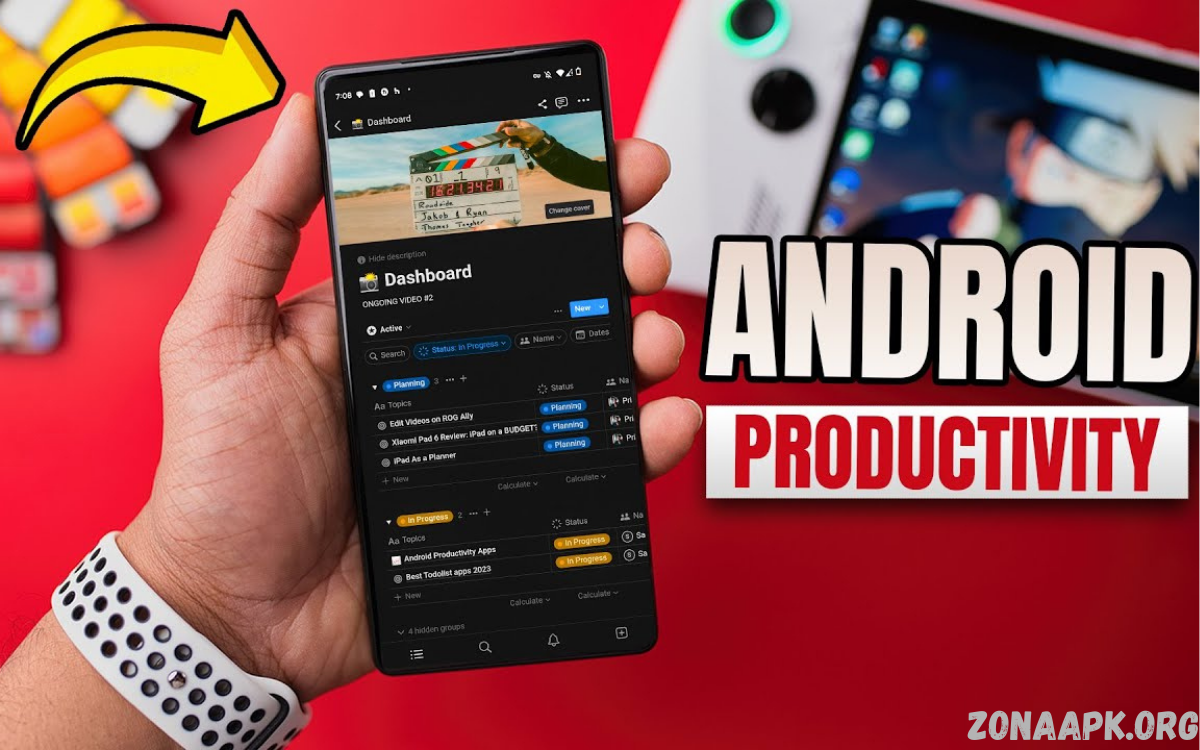
Productivity apps for Android play a critical role in helping individuals and professionals manage time, tasks, and information more effectively in an increasingly mobile-first world. As smartphones have become essential work tools, Android productivity applications have evolved beyond simple to-do lists into robust systems that support planning, focus, collaboration, and workflow optimization. These apps enable users to organize daily responsibilities, track long-term goals, capture ideas instantly, and reduce the mental clutter that often accompanies busy schedules.
Android’s open and flexible ecosystem gives productivity apps a distinct advantage. Features such as home screen widgets, deep system integration, automation support, and cross-device synchronization allow users to build highly personalized productivity setups.
About Productivity Apps for Android
Productivity apps for Android are software applications that enable task organization, time management, collaboration, note capture, automation, focus enhancement, and digital workflow optimization. These tools reduce cognitive overload, centralize information, streamline execution, and minimize friction across daily responsibilities.
Android platform advantages include customization, widget support, automation flexibility, deep system integration, and device diversity. Productivity apps leverage these strengths, delivering personalized workflows unmatched by competing ecosystems.
Strategic Value Productivity Apps for Android
Effective productivity apps for Android deliver measurable benefits:
- Time optimization through structured task execution
- Focus improvement via distraction control mechanisms
- Information consolidation reduces context switching
- Accountability through tracking metrics, reminders
- Workflow consistency supporting repeatable performance
- Collaboration clarity across distributed teams
Organizations adopting productivity-focused mobile ecosystems observe higher efficiency, reduced burnout, and improved output quality.
Core Categories Productivity Apps for Android
Task Management Applications
Task management apps anchor productivity systems. These applications organize responsibilities, deadlines, priorities, and dependencies.
Key capabilities include:
- Natural language task creation
- Priority tagging frameworks
- Recurring task automation
- Project segmentation
- Cross-device synchronization
Professionals use task managers to plan daily execution, quarterly objectives, and multi-stage projects. Students manage coursework, exams, and assignments. Entrepreneurs track deliverables, follow-ups, and client obligations.
Popular Android task managers emphasize speed, clarity, and low-friction entry.
Note-Taking Applications
Note-taking apps support knowledge capture, idea development, meeting documentation, and research consolidation.
Advanced Android note applications offer:
- Text, voice, handwriting input
- Image embedding, document scanning
- Tag-based retrieval
- Search using optical character recognition
- Cloud synchronization
Professionals rely on note systems to capture insights during meetings, calls, and brainstorming sessions. Writers organize drafts. Engineers document processes. Consultants maintain client knowledge bases.
Effective note apps emphasize retrieval speed and organizational flexibility.
Time Management Applications
Time management apps help users understand time allocation, enforce focus intervals, and improve execution discipline.
Functions include:
- Pomodoro timers
- Time tracking analytics
- Activity categorization
- Productivity scoring dashboards
- Goal-based time targets
Android time management tools help professionals identify distractions, optimize schedules, and balance deep work with reactive tasks.
Data-driven time awareness leads to sustainable productivity improvement.
Focus Enhancement Applications
Focus apps reduce digital distraction, encouraging single-task concentration.
Common mechanisms:
- App blocking during work sessions
- Notification suppression
- Gamified focus reinforcement
- Session-based deep work tracking
These productivity apps for Android benefit remote workers, students, and creatives struggling with attention fragmentation caused by constant notifications.
Focus tools promote cognitive recovery, sustained attention, and higher-quality output.
Automation Applications
Automation apps represent an advanced productivity layer with exclusive strength in the Android ecosystem.
Capabilities include:
- Trigger-based workflows
- Context-aware actions
- Device behavior automation
- Routine elimination
Examples of tasks automated:
- Silent mode during meetings
- File organization
- Reminder creation from messages
- System optimization actions
Automation reduces manual overhead, prevents errors, and enforces consistency.
Power users combine automation tools with task managers to create intelligent productivity ecosystems.
Read Also: Latest Trending Gamer Clothing Fashion Trends
Collaboration Applications
Collaboration productivity apps for Android support communication, coordination, and document sharing across teams.
Core functions:
- Real-time messaging
- Task assignment
- File synchronization
- Meeting coordination
Hybrid work models rely heavily on mobile collaboration platforms to maintain alignment across time zones and locations.
Android collaboration apps integrate notifications, calendar events, and shared workspaces.
Document Productivity Applications
Document-focused productivity apps allow creation, editing, and review of professional materials.
Capabilities include:
- Word processing
- Spreadsheet analysis
- Presentation design
- PDF annotation
Mobile document productivity ensures responsiveness outside desktop environments, enabling decision-making anywhere.
Selecting Productivity Apps for Android
The professional selection process emphasizes alignment of workflows, goals, and habits.
Evaluation criteria include:
- Interface simplicity
- Learning curve
- Integration capability
- Offline access
- Security standards
- Cross-platform compatibility
Avoid installing excessive productivity apps. Over-tooling increases friction. Optimal systems involve limited tools performing distinct roles.
Building an Effective Android Productivity Stack
Minimalist Productivity Stack
Ideal users seek simplicity.
- Task manager
- Lightweight note app
- Focus timer
Benefits include clarity, low maintenance, and reduced cognitive load.
Professional Work Stack
Designed for corporate professionals, consultants, and managers.
- Task management application
- Calendar integration
- Note management system
- Collaboration platform
- Document editing suite
Supports meetings, deadlines, reporting, and communication.
Student Productivity Stack
Optimized academic workflows.
- Task planner
- Note-taking application
- Time management app
- Cloud storage
Supports exam preparation, assignment tracking, and research organization.
Power User Stack
Advanced productivity enthusiasts.
- Advanced task manager
- Knowledge management system
- Automation platform
- Time tracking analytics
- Focus control tool
Requires setup investment but delivers maximum efficiency.
Best Practices Implementing Productivity Apps for Android
Start Small
Introduce one productivity app at a time. Master functionality before expanding the stack.
Establish Routines
Productivity apps succeed when paired with routines:
- Daily task review
- Weekly planning sessions
- Regular note organization
- Time tracking analysis
Customize Notifications
Disable non-essential alerts. Retain notifications supporting action and urgency.
Use Widgets
Android widgets accelerate access, reducing friction. Home screen task lists, notes, and timers improve consistency.
Review Performance Metrics
Time-tracking data and task completion rates reveal areas for improvement.
Security Considerations
Productivity apps manage sensitive data, including schedules, documents, and communication.
Best practices include:
- Enabling biometric security
- Using encrypted cloud storage
- Reviewing app permissions
- Selecting reputable developers
Enterprise users ensure compliance with organizational security policies.
Productivity Apps for Android Supporting Mental Well-Being
Balanced productivity includes mental health considerations.
Modern productivity apps integrate:
- Break reminders
- Focus-rest cycles
- Habit tracking promoting wellness
- Stress reduction through clarity
Healthy productivity avoids burnout and encourages sustainable performance.
Trends Shaping Productivity Apps for Android
Artificial Intelligence Integration
AI-powered features emerging:
- Smart task prioritization
- Predictive scheduling
- Natural language processing
- Automated summarization
AI transforms productivity apps into proactive assistants.
Cross-Device Continuity
Seamless transitions between phone, tablet, and desktop enhance workflow continuity.
Android productivity apps increasingly support real-time synchronization across devices.
Customizable Workflows
No-code customization empowers users to design unique productivity systems without technical expertise.
Privacy-Focused Productivity
Growing demand for secure, privacy-centric productivity apps responds to data protection concerns.
Common Productivity Mistakes Avoid
- Installing excessive apps
- Ignoring habit formation
- Over-customization causing friction
- Neglecting regular reviews
- Treating productivity apps as substitutes for discipline
Technology supports productivity; habits drive outcomes.
Measuring Productivity App Effectiveness
Key performance indicators include:
- Task completion consistency
- Reduced missed deadlines
- Improved focus duration
- Lower stress levels
- Better time awareness
Regular assessment ensures tools remain aligned with goals.
Frequently Asked Questions
What are productivity apps for Android?
Productivity apps for Android are mobile applications designed to help users manage tasks, time, information, and workflows more efficiently. These apps support activities such as task planning, note-taking, scheduling, focus management, collaboration, and automation.
Who should use productivity apps for Android?
Productivity apps for Android are suitable for professionals, students, freelancers, entrepreneurs, and anyone looking to improve organization, focus, and time management. They adapt to personal, academic, and professional use cases.
Are productivity apps for Android free?
Many productivity apps for Android offer free versions with basic features. Premium versions typically include advanced functionality such as automation, analytics, collaboration tools, or increased storage.
Do productivity apps for Android work offline?
Some productivity apps for Android support offline access for tasks, notes, and documents. Full functionality, syncing, and collaboration features usually require an internet connection.
Can productivity apps for Android sync across devices?
Yes, most modern productivity apps for Android support cloud synchronization, allowing access across phones, tablets, and desktop platforms.
Are productivity apps for Android secure?
Reputable productivity apps include security features such as encryption, biometric authentication, and secure cloud storage. Users should review permissions and privacy policies before use.
Conclusion
Productivity apps for Android represent powerful assets when selected strategically, implemented thoughtfully, and supported by disciplined habits. Android platform flexibility enables personalized productivity systems serving professionals, students, and entrepreneurs alike.
Rather than chasing trends, focus on building a coherent stack addressing task management, knowledge capture, time awareness, focus control, and collaboration. Simplicity, consistency, and review drive results.
