
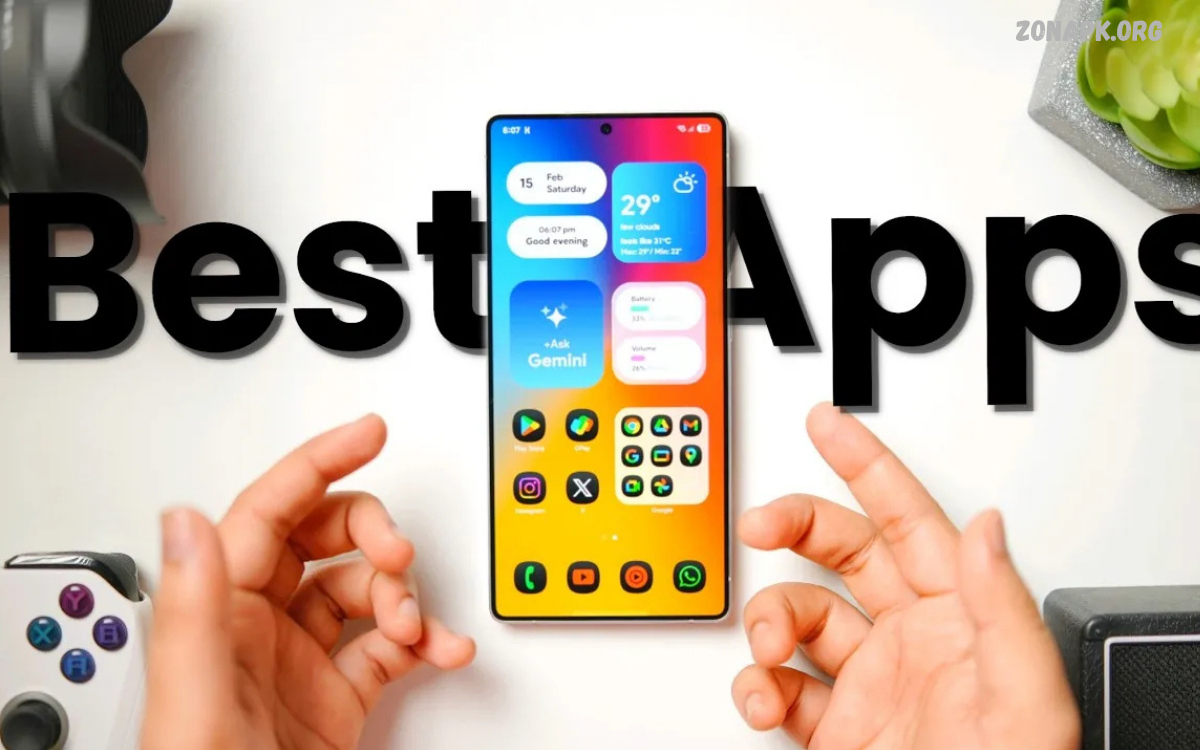
Android smartphones have become powerful tools for communication, entertainment, productivity, education, photography, shopping, and everyday tasks. The right applications can improve the way users manage their phones and make daily activities faster and easier.
Thousands of Android applications are available through the Google Play Store, but not every app offers the same quality or usefulness. Some applications focus on productivity, while others provide entertainment, photo editing, communication, security, or learning features.
Best Apps for Android for Everyday Use
Everyday Android users need applications that make common tasks simpler and more organized. Useful apps can help manage files, communicate with friends, check information, create notes, browse websites, and organize important activities.
The Best Apps for Android should provide a clean interface, reliable performance, useful features, and regular updates. Users should also check permissions before installing an application and choose trusted developers whenever possible.
Best Android Apps for Productivity
Productivity applications help users complete work, manage schedules, create documents, organize information, and maintain daily routines. Android users can find apps for note-taking, task management, calendars, document editing, cloud storage, and communication. These tools are useful for students, professionals, freelancers, and business owners.
A strong productivity app should be simple enough for daily use while providing features that support long-term organization. Synchronization across devices can also be valuable because users can access important information from phones, tablets, or computers. Choosing reliable productivity tools can save time and improve digital organization.
Best Apps for Android for Communication
Communication remains one of the most important smartphone activities. Messaging, voice calls, video calls, email, and social communication apps allow users to stay connected with family, friends, classmates, customers, and coworkers. Modern communication apps often combine text messaging with media sharing, group conversations, voice calls, and video features.
When selecting communication applications, users should consider privacy, security, reliability, and ease of use. Applications that receive regular security updates can provide a safer experience. Users should also review privacy settings and avoid granting unnecessary permissions to communication applications.
Best Android Apps for Social Media
Social media applications allow Android users to follow news, share photos, watch videos, communicate with communities, and discover new content. Different platforms provide different experiences, so users can select applications based on their interests. Social apps can also support creators, businesses, and people who want to build online communities.
The Best Apps for Android in the social media category should offer strong account security and useful privacy controls. Users should review notification settings to avoid unnecessary distractions. Limiting permissions and controlling personal information can also help create a more comfortable and secure social media experience.
Best Apps for Android for Photography
Photography apps can improve the experience of taking, organizing, and editing smartphone photos. Many Android devices already include advanced camera systems, but additional applications can provide editing tools, filters, background effects, cropping options, color adjustments, and creative features. These apps are useful for casual photographers and content creators.
A good photo editing application should provide useful tools without making the editing process unnecessarily complicated. Features such as brightness adjustment, contrast control, sharpness, background removal, and image resizing can be valuable. Users should also consider export quality because excessive compression can reduce image quality.
Best Android Apps for Video Editing
Video editing has become increasingly popular because smartphones can record high-quality video for social media, websites, and personal projects. Android video editors can provide trimming, transitions, captions, music, filters, effects, and other creative tools. These applications make basic video production possible without professional computer software.
The Best Apps for Android for video editing should offer a balanced combination of performance and features. Users with older smartphones should choose lightweight applications that do not require excessive storage or processing power. Export options, resolution support, editing controls, and watermark policies are also important factors.
Best Apps for Android for Education
Educational applications can help students learn languages, practice mathematics, explore science, read educational material, and develop professional skills. Android provides access to learning platforms covering a wide range of subjects. Students can use these apps for revision, practice, research, and independent learning.
The most useful educational applications provide structured lessons and clear explanations. Interactive exercises, progress tracking, quizzes, and offline access can make learning more convenient. Users should select applications that match their learning level and provide accurate, regularly updated educational content.
Best Android Apps for File Management
File management applications help users organize documents, images, videos, downloads, and other files stored on Android devices. A reliable file manager can make it easier to locate files, rename folders, move documents, remove unwanted data, and manage storage. These features become especially useful when smartphone storage starts becoming limited.
Users should choose file management applications from trusted developers and carefully review requested permissions. A simple interface can make file organization easier, particularly for people who regularly transfer documents or media. Storage analysis features can also help identify large or unnecessary files.
Best Apps for Android for Cloud Storage
Cloud storage applications provide a convenient way to store and access files across multiple devices. Photos, documents, videos, and other important files can be synchronized with online storage services. Cloud apps are particularly useful for users who work across smartphones, tablets, and computers.
The Best Apps for Android in this category should provide dependable synchronization and strong account security. Users should consider available storage, upload speed, sharing features, and compatibility with other devices. Important files should also be protected with strong passwords and additional security options when available.
Best Android Apps for Security
Smartphone security should be a priority because Android devices can contain personal messages, photographs, documents, financial information, and account credentials. Security applications and built-in Android security features can help users identify suspicious activity, protect accounts, and manage device permissions.
Users should avoid installing security applications from unknown sources. Many unnecessary security apps can consume system resources or create unwanted notifications. Keeping Android and installed applications updated, using strong passwords, and downloading apps from trusted sources are important parts of smartphone security.
Best Apps for Android for Entertainment
Entertainment applications provide access to movies, music, podcasts, games, videos, and other digital content. Android users can customize their entertainment experience according to personal interests. Streaming applications can turn smartphones into portable entertainment devices for use at home or while traveling.
A good entertainment application should offer reliable playback and a simple interface. Users should also monitor storage usage because downloaded videos, music, and podcasts can consume significant space. Subscription costs should be reviewed before choosing paid entertainment services.
Best Android Apps for Music
Music applications allow users to discover artists, create playlists, listen to albums, and explore new genres. Many services also provide personalized recommendations based on listening habits. Offline playback can be especially useful for users who want to reduce mobile data usage.
The Best Apps for Android for music should provide stable playback, useful search tools, playlist management, and good audio quality. Users should check whether important features require a subscription. Storage requirements should also be considered when downloading music for offline listening.
Best Apps for Android for Travel
Travel applications can make trips easier by providing maps, navigation, accommodation information, transportation details, translation tools, and local recommendations. These apps can help travelers organize important information before leaving home and access useful resources during a journey.
Offline features can be particularly valuable when traveling to areas with limited internet access. Users should download important maps, tickets, addresses, and travel information before starting a trip. Battery usage should also be considered when navigation applications are running for long periods.
Best Android Apps for Shopping
Shopping applications provide convenient access to products, prices, reviews, discounts, and order tracking. Users can compare products without visiting multiple physical stores. Shopping apps can also provide notifications about promotions and order updates.
Security is important when using shopping applications because accounts may contain personal and payment information. Users should purchase products through trusted platforms and avoid suspicious links or offers.
Read Also: Building Durable Electronics With Professional Through Hole PCB Assembly Services
Best Apps for Android for Finance
Finance applications can help users monitor expenses, track budgets, manage payments, and organize financial information. Some apps provide spending summaries that make it easier to understand where money is being used. These tools can be useful for students, families, freelancers, and business users.
Financial information requires strong protection, so users should carefully evaluate applications before entering sensitive data. Use strong passwords, keep devices secure, and download apps from official sources. Users should also avoid sharing account credentials through messages, emails, or untrusted applications.
Best Android Apps for News
News apps provide quick access to current events, technology updates, sports information, business developments, and more. Users can often customize categories and notifications based on their interests. This makes it easier to follow important information without constantly searching multiple websites.
A good news application should provide clear sources and regularly updated information. Users should compare important claims with reliable sources rather than relying on a single app. Notification settings can also be adjusted so users receive important updates without excessive interruptions.
Best Apps for Android for Personalization
Android provides many ways to personalize smartphones through wallpapers, widgets, launchers, icon packs, and customization tools. Personalization apps can change the home screen’s appearance and make frequently used functions easier to access.
Users should avoid customization applications that request unnecessary permissions. A simple launcher or widget can provide useful personalization without significantly affecting performance. Also consider battery consumption, since some animated themes and continuously updating widgets can use extra resources.
How to Choose the Best Apps for Android
Choosing the right Android application requires more than checking its download count. Users should examine ratings, reviews, developer information, update history, permissions, storage requirements, and supported Android versions. An application with millions of downloads may still be unsuitable for a particular user’s needs.
Privacy should also be part of the decision-making process. Before installing an app, users can review the information it collects and the permissions it requests. Choosing applications from established developers and keeping installed software updated can improve both performance and security.
How to Keep Android Apps Updated
Application updates often include new features, performance improvements, compatibility changes, and security fixes. Keeping important apps updated can reduce compatibility problems and help users benefit from the latest improvements. Google Play Store settings can also provide options for managing automatic updates.
However, users should review storage and data settings when necessary. Automatic updates can consume mobile data and storage, especially when many large applications are installed. Wi-Fi-based updates can be useful for users who have limited mobile data plans.
Avoiding Unnecessary Android Apps
Installing too many applications can make smartphone management difficult. Unused apps may consume storage, generate notifications, or use background resources. Reviewing installed applications regularly can help users remove software they no longer need.
Users should focus on applications that provide genuine value. Instead of installing multiple apps that do nearly the same thing, choosing one reliable app can make the smartphone easier to manage. Regular cleanup can also free storage and improve the overall user experience.
Frequently Asked Questions
What are the Best Apps for Android?
The Best Apps for Android depend on individual needs, but useful categories include productivity, communication, photography, education, security, entertainment, file management, travel, and finance. Users should select applications based on features, reliability, privacy, and compatibility with their devices.
How can I find good Android apps?
Users can discover good Android apps through the Google Play Store by checking ratings, reviews, update history, developer information, and permissions. Comparing several applications before installing can help users choose a safer, more useful option for their specific needs.
Are free Android apps safe?
Many free Android apps are safe, but users should not assume every free application is trustworthy. Checking the developer, permissions, reviews, privacy information, and download source can reduce risks. Preferably, install apps through trusted official sources.
Should I install many Android apps?
Installing many apps is usually unnecessary. Too many applications can consume storage and create excessive notifications or background activity. It is better to keep apps that provide real value and remove those you rarely use.
How often should Android apps be updated?
Android apps should generally be kept up to date because updates can include security improvements, bug fixes, performance enhancements, and new features. Automatic updates can be useful, although users with limited storage or mobile data may prefer managing updates manually.
Which Android apps are best for productivity?
Productivity apps for notes, calendars, task management, document editing, cloud storage, and communication can be useful for everyday work. The best choice depends on the user’s workflow, device compatibility, required features, and preferred method of organizing information.
Are Android app permissions important?
Yes. App permissions determine what information or device functions an application can access. Users should review permissions before installation and avoid applications that request access unrelated to their main purpose. Unnecessary permissions can create privacy concerns.
Can Android apps improve smartphone performance?
Some apps can improve organization and help manage storage, but users should be cautious about applications claiming to dramatically increase phone speed. Keeping the operating system updated, removing unused apps, maintaining available storage, and restarting the device can often be more useful.
What should I check before downloading an Android app?
Users should check the app’s developer, ratings, reviews, update history, permissions, privacy information, storage requirements, and Android compatibility. These factors can help users identify reliable applications and avoid software that may create unnecessary privacy or performance concerns.
Why are the Best Apps for Android different for everyone?
Every user has different requirements. A student may need education and productivity apps, while a photographer may prioritize camera and editing tools. The Best Apps for Android should therefore be selected according to personal needs, device capabilities, privacy preferences, and daily activities.
Conclusion
The Best Apps for Android can improve productivity, communication, entertainment, photography, education, security, travel, and many other aspects of everyday smartphone use. The ideal application list will vary because every Android user has different requirements, preferences, and device capabilities.
Users should focus on quality rather than simply installing a large number of applications. Checking permissions, reviews, updates, privacy information, and developer reputation can help identify reliable choices. With the right selection of applications, an Android smartphone can become a powerful and flexible tool for everyday life.

1 Comment
Pingback: Top Android Apps 2026: Best Apps for Everyday Use - Zonapk