
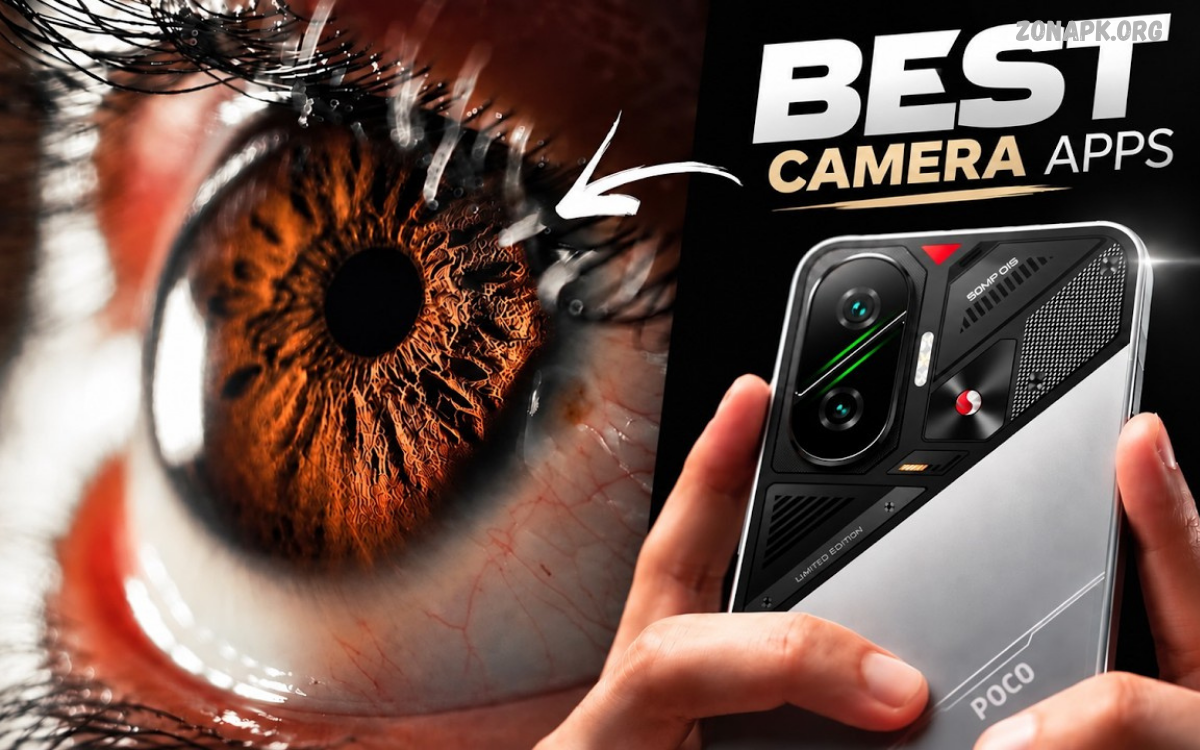
The Best Camera Apps for Android help users capture stunning photos, record high-quality videos, and explore creative photography. Modern Android smartphones feature advanced camera hardware, yet the right camera app can unlock additional controls, creative filters, and professional shooting options.
Android users can choose from simple camera apps, manual photography tools, AI-powered editors, and professional video-recording apps. Each option offers unique features to improve image quality, adjust exposure, control focus, and create memorable content.
Why Choose the Best Camera Apps for Android
The default camera app offers essential features like portrait mode, night mode, and video recording. However, third-party camera apps can add extra controls, customizable interfaces, advanced exposure settings, and creative shooting modes.
The Best Camera Apps for Android can also improve photography workflows through RAW image capture, manual focus, grid overlays, and customizable white balance. Certain applications support external microphones, advanced video settings, or professional editing tools.
Google Camera: Smart Photography Features
Google Camera, commonly associated with Google Pixel smartphones, offers computational photography features designed to produce detailed images with balanced exposure and natural-looking colors.
Official Google Camera availability and supported features vary by smartphone model. Some functions remain exclusive to Pixel devices, while unofficial ports may exist for selected Android phones. Users should prioritize compatible, trustworthy downloads and avoid unfamiliar APK files.
Open Camera: Free Manual Photography Controls
Open Camera is a popular open-source camera app that offers extensive photography controls without a paid subscription. Features include manual focus, exposure compensation, ISO adjustment, white balance, grid overlays, timer settings, and customizable volume-key controls.
The application suits Android users who want greater control over everyday photography. Beginners can start with automatic settings, while experienced users can experiment with exposure and focus adjustments. Open Camera also supports video recording and several practical customization options.
ProShot: Advanced Photography and Video
ProShot targets photographers seeking a professional-style camera interface with extensive manual controls. Depending on device support, its features can include shutter speed adjustment, ISO control, manual focus, white balance, RAW capture, and customizable shooting modes.
Video creators may appreciate additional recording controls and settings designed for more deliberate filmmaking. Manual exposure adjustments can help maintain consistent brightness across a series of photographs or video clips.
Adobe Lightroom: Camera and Photo Editing
Adobe Lightroom combines photography tools with a powerful photo-editing workflow. Its mobile application provides editing controls for exposure, contrast, highlights, shadows, color balance, and detail.
Lightroom is especially useful for photographers who want consistent results across multiple images. Users can adjust colors, improve lighting, refine details, and develop a recognizable photography style. Presets can speed up repetitive editing tasks, while manual adjustments offer greater creative control.
ProCam X: Manual Camera Controls
ProCam X is an Android camera app for users who want more control over their photography settings. Depending on the device, it may offer controls for ISO, shutter speed, focus, white balance, exposure compensation, and image resolution.
The application may suit photographers who want to experiment with long exposures, detailed close-ups, or carefully composed portraits. Manual controls are particularly useful when automatic exposure struggles with challenging lighting.
Camera FV-5: Photography for Manual Control Enthusiasts
Camera FV-5 focuses on providing DSLR-style controls through a smartphone interface. Supported features may include manual exposure adjustments, focus control, white balance, exposure compensation, and RAW capture on compatible devices.
This app helps users understand how exposure settings affect the final photograph. Adjusting shutter speed affects motion rendering, while changing ISO affects brightness and image noise.
VSCO: Creative Photography and Filters
VSCO combines photography tools with creative filters and image-editing features. Its presets help users create distinctive colors, subtle film-inspired effects, and consistent visual styles.
VSCO appeals to social media creators, lifestyle photographers, and users who enjoy artistic image processing. Rather than relying on heavy effects, photographers can use subtle adjustments to preserve natural details and create balanced compositions.
Camera360: Filters and Beauty Photography
Camera360 offers creative photography tools designed for portraits, selfies, and social media content. Depending on the current version, users may find filters, color effects, portrait enhancements, and beauty-editing options.
The application can be useful for people who enjoy colorful images, playful effects, and creative selfies. For natural-looking results, apply filters carefully and keep skin textures and colors realistic. Availability of particular effects may vary by region, device, and subscription plan.
Footej Camera: A Simple Camera Experience
Footej Camera offers a straightforward interface with additional photography controls for compatible Android devices. Depending on hardware support and the installed version, features may include burst photography, manual focus, exposure adjustments, slow-motion recording, and RAW capture.
The app suits users who want a balance of simplicity and customization. Beginners can use familiar camera controls, while more experienced photographers can explore additional settings as needed. Some features may require a paid upgrade or compatible hardware.
Best Camera Apps for Android for Night Photography
Night photography presents challenges because low-light scenes often produce noise, motion blur, and uneven exposure. Google Camera offers computational night photography features on supported devices, while manual camera apps let you adjust shutter speed, ISO, and focus.
The best low-light application depends on your smartphone’s sensor, optical stabilization, lens aperture, and image-processing capabilities. Night modes can combine multiple frames to improve brightness and detail, while manual controls provide flexibility for stationary scenes.
Best Camera Apps for Android for Professional Photography
Professional-style smartphone photography benefits from apps that offer manual exposure, precise focus, white balance, and RAW image capture. Open Camera, ProShot, ProCam X, and Camera FV-5 provide different combinations of these tools, depending on device compatibility.
RAW files offer more editing flexibility than heavily processed JPEGs, but they require more storage and post-processing. Manual controls can also help photographers achieve consistent exposure across multiple shots.
Best Camera Apps for Android for Video Recording
Video recording requires more than high resolution. Stable footage, reliable autofocus, consistent exposure, suitable frame rates, and clear audio all improve results.
Choose an application that supports your preferred recording resolution and frame rate without causing excessive overheating or storage consumption. A phone that can record high-resolution footage may still produce inconsistent results in poor lighting.
Read Also: Best Background Remover Apps: Top Tools for Perfect Photo Editing
Best Camera Apps for Android for Selfies
Selfie photography benefits from reliable exposure, natural colors, accurate focus, and a front-facing camera that performs well in different lighting conditions.
For natural selfies, position yourself near soft window light or another evenly lit environment. Keep the camera lens clean, avoid excessive digital zoom, and experiment with different compositions. Subtle editing can improve brightness and color without making photographs look artificial.
How to Choose the Right Android Camera App
Start by identifying your main photography goal. Casual users may prefer a simple interface with automatic image enhancement, while enthusiasts may prioritize manual exposure and RAW capture.
Compatibility should remain a major consideration because Android camera features differ between devices. Review recent updates, developer information, privacy permissions, subscription costs, and available support.
Tips for Better Smartphone Photography
Good photography begins with clean lenses, thoughtful composition, and appropriate lighting. Use grid lines to align horizons, avoid unnecessary digital zoom, and tap the subject to adjust focus when supported.
Keep your smartphone steady when capturing night scenes or recording video. Explore manual controls gradually, changing one setting at a time so you can understand its effect. Save original photos before applying heavy edits, and compare results under different lighting conditions.
Camera App Privacy and Security
Camera applications may request access to your camera, microphone, photographs, location, or storage. Grant only the permissions required for the features you intend to use, and review privacy information before installing unfamiliar software.
Regular updates can improve compatibility, fix bugs, and strengthen security. Review developer details, recent user feedback, and the application’s privacy policy before trusting it with personal images.
Frequently Asked Questions
Which Is the Best Camera App for Android?
The best choice depends on your smartphone and photography goals. Google Camera is a strong choice for computational photography on supported devices, while Open Camera offers free manual controls. Lightroom is a strong editing option, and ProShot may appeal to users who want advanced photo and video settings.
Are Free Camera Apps Good for Photography?
Yes, free camera apps can offer excellent photography features. Open Camera offers useful manual controls, while many default camera apps include HDR, portrait mode, and night photography. Image quality ultimately depends on smartphone hardware, software processing, lighting, and the photographer’s technique.
Which Camera App Is Best for Manual Settings?
Open Camera is a useful starting point for free manual photography controls. ProShot, ProCam X, and Camera FV-5 offer alternative interfaces and advanced settings on supported devices. Compare compatibility and available controls before choosing an application for your smartphone.
Can Camera Apps Improve Photo Quality?
Camera apps can improve results through computational processing, exposure adjustments, focus controls, and image-editing features. However, software cannot completely overcome hardware limitations or poor lighting. .
Are Third-Party Camera Apps Safe?
Third-party camera apps can be safe if you get them from trustworthy sources and they’re maintained by reputable developers. Check permissions, update history, privacy policies, and recent reviews. Avoid suspicious APK files and unnecessary permission requests, especially when an application asks for access unrelated to photography.
Conclusion
The Best Camera Apps for Android provide different ways to improve smartphone photography, from automatic image enhancement to professional manual controls and advanced editing.
Choose an application based on your device compatibility, preferred features, budget, and photography experience. Experiment with exposure, focus, lighting, and composition to discover what works best for your smartphone.
