

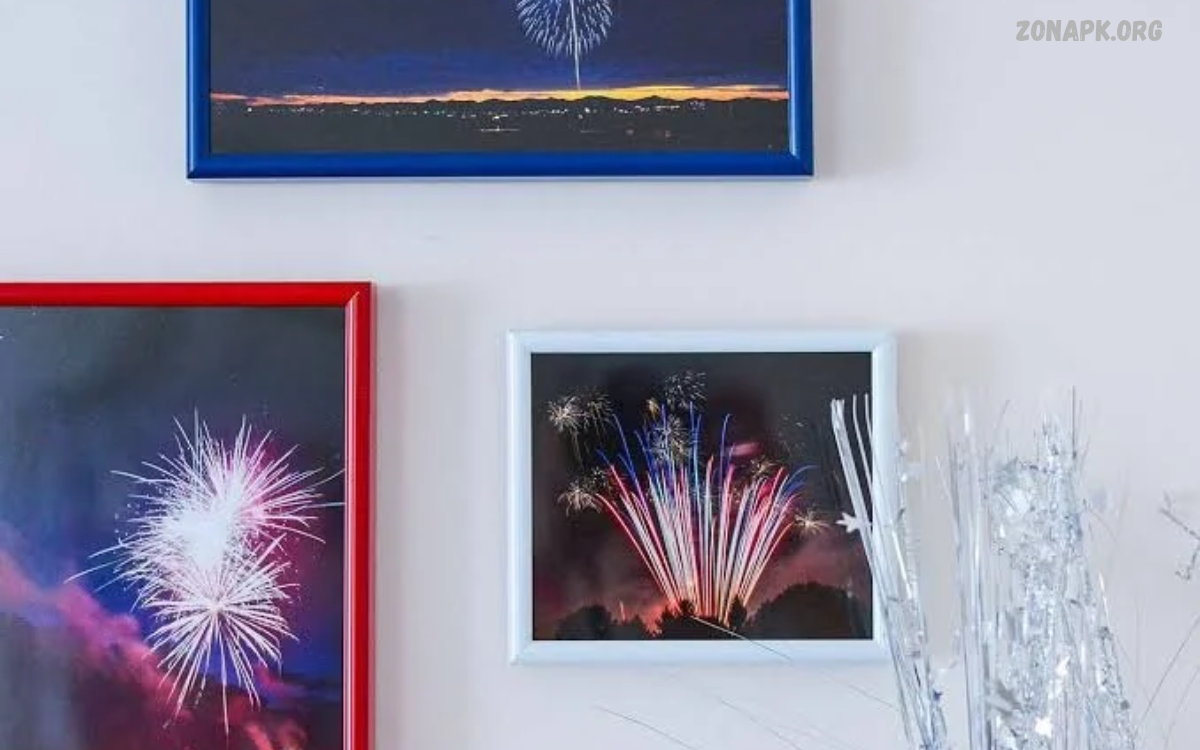
Artistic photo ideas help transform ordinary moments into visually appealing images with creativity, emotion, and imagination. From dramatic lighting to colorful backgrounds, photographers can use simple techniques to create unique photos.
Creative photography encourages people to explore different perspectives, textures, shadows, and compositions. Whether using a smartphone or a professional camera, artistic photo ideas can inspire fresh concepts for portraits, landscapes, nature photography, and social media content.
Creative Portrait Photography Ideas
Portrait photography becomes more expressive when photographers experiment with natural light, interesting backgrounds, and thoughtful poses. Window lighting, side profiles, and candid expressions can create beautiful images with a professional artistic appearance.
Another creative approach involves capturing portraits through glass, flowers, mirrors, or translucent fabric. These elements introduce depth and visual interest while helping photographers develop distinctive styles that reflect personality and emotion.
Artistic Photo Ideas Using Natural Light
Natural light offers countless opportunities for creating artistic photographs without expensive equipment. Early morning and late afternoon provide soft illumination, warm tones, and gentle shadows that enhance portraits, landscapes, and everyday scenes.
Photographers can also experiment with sunlight passing through curtains, tree branches, or patterned windows. These lighting effects produce attractive highlights and shadows, adding dimension and creating a dramatic atmosphere within ordinary surroundings.
Golden Hour Photography Techniques
Golden hour occurs shortly after sunrise and before sunset, when sunlight appears warm and soft. This lighting creates flattering portraits, glowing landscapes, and beautiful silhouettes with a naturally cinematic appearance.
For stronger results, position the subject beside or in front of the sunlight and adjust the camera exposure carefully. Backlighting can create glowing hair, illuminated edges, and dreamy effects that make artistic photo ideas more memorable.
Shadow Photography for Dramatic Effects
Shadow photography turns ordinary shapes into interesting visual elements through contrast, patterns, and creative positioning. Window frames, railings, leaves, and architectural details can produce distinctive shadows across walls, floors, and subjects.
Experiment with different light directions and distances to change shadow size and intensity. Strong sunlight creates sharp patterns, while softer illumination produces subtle transitions that suit minimalist compositions and atmospheric portraits.
Mirror Photography Ideas
Mirror photography introduces symmetry, reflections, and multiple perspectives into a single composition. A handheld mirror, bathroom mirror, or reflective surface can transform a simple portrait into an imaginative photograph with additional visual depth.
Try positioning a mirror near a window, colorful wall, or natural landscape to capture unexpected reflections. Changing the camera angle can reveal interesting details while keeping the composition balanced and visually engaging.
Reflection Photography With Water
Water reflections offer artistic opportunities for capturing buildings, trees, flowers, and colorful skies. Puddles after rainfall, lakes, fountains, and shallow streams can create symmetrical compositions that make familiar locations appear completely different.
Photographing reflections from a low angle often produces more immersive results. Slight ripples introduce abstract patterns, while still water creates clearer reflections that emphasize symmetry, color, and the relationship between objects and their surroundings.
Silhouette Photography Ideas
Silhouette photography emphasizes shape rather than facial details, creating powerful images with a dramatic atmosphere. People, trees, bicycles, and architectural structures can become striking subjects when positioned against a bright background.
To create a silhouette, place the subject between the camera and a bright light source, then expose for the background. Choose recognizable shapes and uncluttered surroundings to ensure the main subject remains easy to identify.
Artistic Photo Ideas With Flowers
Flowers provide beautiful colors, delicate textures, and natural patterns for creative photography. Close-up petals, scattered blossoms, and portraits surrounded by flowers can produce elegant images suitable for personal collections, photography portfolios, and social media.
Experiment with different perspectives, such as photographing flowers from below or capturing a face through a floral arrangement. Soft backgrounds and controlled lighting help separate the subject from surrounding details without losing the natural beauty of the scene.
Macro Photography for Small Details
Macro photography reveals details that often remain unnoticed during everyday activities. Water droplets, flower centers, insect wings, fabric textures, and tiny objects can become fascinating subjects when photographed closely with careful focus.
A smartphone macro mode or dedicated macro lens can help capture intricate patterns and fine textures. Use steady support, adequate lighting, and a simple background to keep important details sharp and prevent unnecessary distractions.
Minimalist Photography Ideas
Minimalist photography focuses on simplicity by reducing visual clutter and emphasizing one primary subject. A solitary tree, a person against a plain wall, or a small object on an empty table can create a powerful composition.
Negative space plays an important role in this photographic style because empty areas guide attention toward the subject. Neutral colors, clean lines, and balanced placement help create calm images with an elegant, contemporary appearance.
Black and White Artistic Photography
Black and white photography removes color distractions and highlights contrast, texture, shape, and emotion. Portraits, old buildings, street scenes, and natural landscapes often become more expressive when photographed or edited in monochrome.
Look for scenes containing strong highlights, deep shadows, and distinctive patterns. During editing, adjust contrast and brightness carefully to preserve important details while creating the atmosphere intended for the photograph.
Creative Street Photography Ideas
Street photography captures everyday life through candid moments, urban patterns, interesting expressions, and unexpected interactions. Busy markets, quiet streets, public squares, and colorful storefronts provide opportunities to document authentic scenes with artistic character.
Try framing subjects between buildings, capturing reflections in shop windows, or photographing long shadows across pavements. Respect people’s privacy, follow local photography rules, and seek permission whenever appropriate to maintain an ethical approach to street photography.
Architectural Photography Ideas
Architecture offers strong lines, geometric patterns, textures, and symmetrical structures that support creative compositions. Bridges, staircases, modern buildings, historic doors, and decorative ceilings can become striking subjects when photographed from unusual angles.
Move around the structure to explore low viewpoints, centered compositions, and repeating patterns. Early morning light may emphasize architectural details, while evening illumination can introduce contrasting colors and create a distinctive urban atmosphere.
Artistic Photo Ideas With Everyday Objects
Everyday objects can become creative photography subjects when arranged thoughtfully and photographed from unexpected perspectives. Books, cups, sunglasses, headphones, stationery, and kitchen utensils offer accessible materials for experimenting with composition and lighting.
Arrange objects by color, shape, size, or texture to create visual harmony. A plain background, soft window light, and careful spacing can turn ordinary belongings into attractive still-life photographs without requiring specialized equipment.
Creative Flat Lay Photography
Flat lay photography involves arranging objects on a flat surface and photographing them from directly above. This approach works particularly well for stationery, art supplies, fashion accessories, books, skincare products, and themed collections.
Choose a background that complements the objects and maintain a consistent color palette throughout the arrangement. Leave enough space between items, use balanced lighting, and adjust the camera position to minimize unwanted shadows or perspective distortion.
Food Photography With Artistic Composition
Food photography becomes more appealing when colors, textures, and presentation work together. Fresh fruit, colorful desserts, homemade meals, and beverages offer opportunities to create vibrant photographs with natural visual appeal.
Photograph food near a window, experiment with overhead and side angles, and include simple props that support the scene. Avoid overcrowding the frame, and focus on the most interesting details, such as layered textures, fresh ingredients, or decorative toppings.
Motion Blur Photography Ideas
Motion blur introduces movement and energy into photographs by allowing moving subjects to appear softly blurred. Flowing water, passing vehicles, spinning objects, and people walking through busy environments can produce expressive results.
Use a slower shutter speed when your camera allows manual control, and keep the camera steady when the background should remain sharp. Experiment with different shutter speeds to discover how movement changes the image’s mood and visual impact.
Long Exposure Photography Techniques
Long exposure photography records movement over an extended period, creating smooth water, light trails, and dramatic cloud patterns. This technique works especially well for waterfalls, nighttime streets, coastal landscapes, and illuminated urban environments.
A tripod helps prevent camera shake, while manual exposure controls provide greater flexibility over shutter speed. For bright daylight scenes, a suitable neutral-density filter can reduce incoming light and allow longer exposures without excessive brightness.
Read Also: Beautiful Artwork Photography: A Complete Guide
Artistic Photo Ideas With Colored Lighting
Colored lighting can transform a simple scene into a bold, expressive photograph. LED lights, colored lamps, and carefully positioned screens can introduce contrasting tones, futuristic effects, or atmospheric backgrounds for creative portraits.
Try combining complementary colors, such as blue and orange, or use one dominant color for a minimalist effect. Keep the lighting controlled, observe how different colors affect skin tones, and adjust the background to prevent competing visual elements.
Creative Photography With Window Frames
Windows provide natural frames that help direct attention toward a subject. Photographing someone beside a window, looking through glass, or standing within a doorway can create a thoughtful composition with depth and visual structure.
Window frames also introduce lines that guide the viewer’s attention through the photograph. Experiment with reflections, curtains, and different times of day to discover variations in brightness, texture, and mood.
Artistic Photo Ideas for Rainy Days
Rainy weather creates reflective surfaces, soft lighting, and atmospheric scenes that support creative photography. Wet streets, raindrops on windows, umbrellas, and reflections from colorful signs can add texture and visual interest to everyday environments.
Photograph droplets close to a window or capture reflections in shallow puddles for a different perspective. Protect your camera or smartphone from moisture, wipe the lens regularly, and avoid unsafe locations when photographing during storms.
Creative Self-Portrait Photography
Self-portrait photography allows photographers to explore identity, expression, composition, and personal storytelling. A mirror, tripod, timer, or smartphone stand can make it easier to experiment with different poses and lighting arrangements independently.
Try photographing your silhouette, hands, reflections, or profile rather than relying exclusively on traditional face-forward portraits. Meaningful surroundings, carefully selected clothing, and thoughtful lighting can help communicate a theme without making the image feel overly staged.
Artistic Photo Ideas for Social Media
Social media photography often benefits from recognizable themes, consistent colors, and compositions that remain clear on smaller screens. Lifestyle portraits, creative flat lays, colorful backgrounds, and nature close-ups can provide engaging visual content.
Develop a consistent visual style by repeating selected colors, lighting techniques, or editing preferences across photographs. Experiment with square compositions, vertical portraits, and landscape images according to the intended platform and content format.
Smartphone Photography Tips for Artistic Images
Modern smartphones provide useful tools for creative photography, including portrait modes, exposure adjustments, grid lines, and advanced camera controls. Learning these features can improve composition and image quality without requiring a separate camera.
Clean the camera lens, tap the main subject to focus, and adjust exposure when highlights appear too bright. Avoid excessive digital zoom, use available natural light, and explore different camera angles before deciding which composition works best.
Camera Settings for Creative Photography
Understanding basic camera settings helps photographers control brightness, movement, and background appearance. Aperture influences depth of field, shutter speed controls motion rendering, and ISO affects sensitivity to light and image noise.
For portraits, a wider aperture can separate the subject from the background when supported by the lens. Faster shutter speeds help freeze action, while slower speeds reveal movement; choose ISO settings that provide suitable exposure without introducing unnecessary noise.
Composition Techniques for Artistic Photos
Strong composition helps arrange visual elements in a way that feels intentional and balanced. The rule of thirds, leading lines, symmetry, framing, and negative space are useful techniques for creating photographs with a clear focal point.
These principles provide guidance rather than strict requirements, so experimentation remains important. Try placing the subject away from the center, filling the frame with textures, or using contrasting shapes to create more distinctive visual relationships.
Photo Editing Ideas for Artistic Results
Photo editing can enhance colors, improve exposure, and strengthen the atmosphere established during photography. Brightness, contrast, white balance, saturation, cropping, and selective adjustments are useful starting points for refining an image.
Avoid applying excessive filters that remove natural textures or distort important details. A consistent editing approach helps maintain visual harmony across a collection, while subtle adjustments preserve the original character of the photograph.
Best Apps for Artistic Photo Editing
Mobile editing applications make it easier to refine photographs, experiment with color grading, and create distinctive visual styles. Snapseed, Lightroom Mobile, and Picsart provide different editing tools for users who want to explore artistic photography.
Snapseed offers selective adjustments and creative filters, Lightroom Mobile provides detailed color and exposure controls, and Picsart includes creative effects and graphic elements. Compare available features and choose an application that suits your editing preferences and experience level.
Common Artistic Photography Mistakes
Common mistakes include distracting backgrounds, harsh lighting, excessive editing, poor focus, and compositions without a clear subject. These issues can reduce the visual impact of an otherwise interesting photograph, especially when several elements compete for attention.
Review each image before taking another shot and simplify the scene whenever possible. Check focus, observe the direction of light, straighten important lines, and adjust the framing to ensure the main subject remains visually prominent.
How to Develop Your Own Photography Style
Developing a personal photography style requires experimentation, observation, and regular practice. Explore different artistic photo ideas, study lighting patterns, and photograph familiar subjects using several approaches before deciding which techniques suit your creative interests.
Review your strongest photographs and identify recurring preferences in color, composition, mood, and subject matter. Over time, these patterns can help you establish a recognizable style while leaving room for new techniques and creative discoveries.
Frequently Asked Questions
What Are the Best Artistic Photo Ideas for Beginners?
Beginners can start with window-light portraits, flower photography, mirror reflections, minimalist compositions, and creative flat lays. These projects require little equipment and provide opportunities to practice focus, lighting, composition, and visual storytelling.
How Can I Take Artistic Photos With a Phone?
Use natural light, clean backgrounds, interesting angles, and simple composition techniques to improve smartphone photographs. Portrait mode, exposure controls, grid lines, and macro features can also help create more distinctive images.
Which Lighting Is Best for Artistic Photography?
Soft natural light is an excellent starting point for portraits, still-life images, and everyday subjects. Golden-hour sunlight provides warm tones, while side lighting emphasizes texture and dramatic shadows.
Which Apps Are Useful for Artistic Photo Editing?
Snapseed, Lightroom Mobile, and Picsart are popular options for editing creative photographs. Each application offers different combinations of color adjustments, filters, selective editing, and artistic effects.
How Can I Make Ordinary Photos Look Artistic?
Ordinary photographs can become more interesting through unusual perspectives, thoughtful framing, controlled lighting, and attention to small details. Reflections, shadows, textures, and negative space can introduce creative elements without changing the subject itself.
Conclusion
Artistic photo ideas offer endless opportunities to explore creativity, emotion, and visual storytelling using everyday subjects and accessible equipment. Natural light, reflections, shadows, minimalist compositions, and experimental editing can transform ordinary scenes into distinctive photographs.
Consistent practice helps photographers understand their preferences and develop stronger creative skills. Start with simple projects, experiment with different techniques, and refine each image thoughtfully to build a personal photography style that continues to evolve.

1 Comment
Pingback: Tesla Latest News: Updates, Electric Cars, AI Technology, and Future Plans - Zonapk