

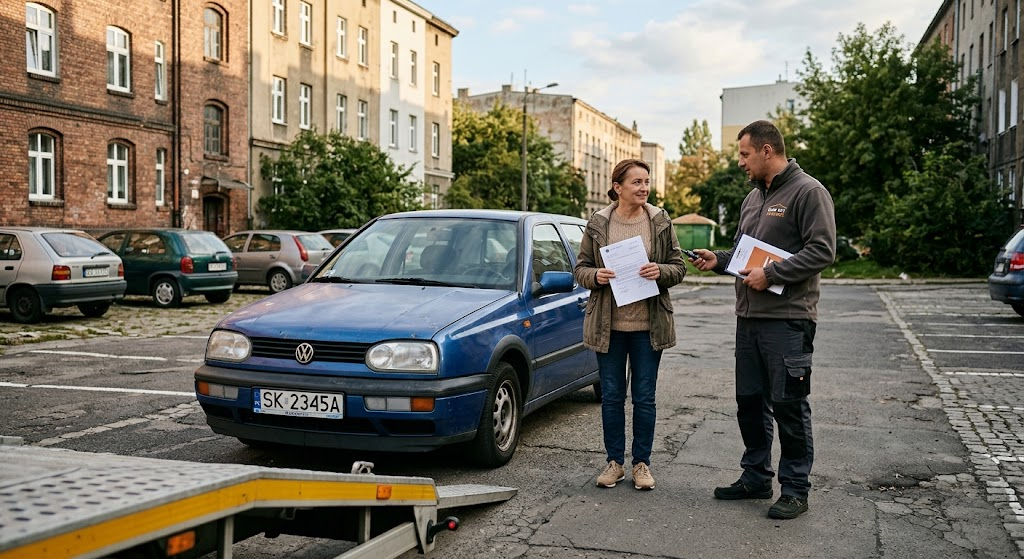
Selling an older car can be challenging, especially when the vehicle no longer runs reliably or its insurance policy has expired. Many owners keep unused cars in garages, driveways, or parking spaces because they are unsure how to sell them or what steps to take before completing a transaction. In Katowice, understanding your options can help you make a more informed decision and avoid unnecessary complications.
Whether your car has high mileage, mechanical problems, cosmetic damage, or no current third-party liability insurance, preparation is essential. You should understand the vehicle’s value, organize the relevant documents, choose a suitable buyer, and check the applicable insurance requirements. This guide explains the key considerations when selling an uninsured, older vehicle.
1. Understand the Challenges of Selling an Uninsured Car
An uninsured car can present additional challenges compared with a vehicle that has valid insurance. Potential buyers may ask about its current status, why the policy expired, and whether the vehicle is safe and legally permitted to be driven.
In Poland, compulsory third-party liability insurance, known as OC, generally applies to registered vehicles even when they are not being driven. Simply leaving a car unused or parking it on private property does not automatically remove the insurance obligation. Exceptions and special rules may apply in particular circumstances, so owners should verify their individual situation with the insurer or the relevant authority.
If your car has no valid OC policy, do not assume that you can drive it to a buyer or dismantling station. Arrange suitable transportation if necessary and confirm the legal requirements before moving the vehicle.
Understanding these issues early can help you avoid additional costs and make the sale more straightforward.
2. Decide Whether to Sell or Keep the Vehicle
Before contacting a buyer, consider whether keeping the car makes financial sense. An older vehicle may require frequent repairs, replacement parts, new tyres, or work on its engine and suspension. If it spends more time in a workshop than on the road, selling it may be a practical option.
Calculate the likely repair costs and compare them with the vehicle’s realistic market value. Also consider any ongoing expenses associated with ownership, including insurance, maintenance, and parking.
For some owners, restoring an older car may be worthwhile, particularly if it is a desirable model or has been carefully maintained. For others, selling it in its current condition may be more economical.
You do not necessarily need to repair every fault before requesting an offer. A buyer who specializes in older vehicles may be interested in a car that needs substantial work, depending on its condition and available parts.
3. Research Buyers in Katowice
Once you decide to sell, explore the available purchasing options. You can advertise the car privately, approach a dealership, or contact a company that purchases older, damaged, or unwanted vehicles.
A specialized service may offer a more convenient process for owners who want to avoid creating advertisements, responding to numerous messages, and arranging repeated inspections. However, different buyers may have different requirements and valuation methods.
When researching skup aut bez OC Katowice, explain that the vehicle does not currently have valid insurance. Ask whether the buyer accepts uninsured vehicles, what documents are required, and whether collection is available if the car cannot be driven.
Do not assume that every company offering to purchase cars can also complete formal vehicle dismantling. If your intention is to scrap the car, verify that the provider can arrange the legally required process through an appropriately authorized dismantling station.
Comparing several offers can help you understand the available options and choose a service that suits your circumstances.
4. Gather the Necessary Documents
Having the relevant paperwork ready can help prevent delays during the sale. Start by locating the vehicle registration certificate, proof of identity, and documents confirming your ownership. Service records, inspection information, and available maintenance invoices may also be useful.
Additional documentation may be necessary if the car is jointly owned, inherited, registered to a business, or subject to a finance agreement.
If your registration certificate is missing or the ownership details are unclear, ask the relevant authority or prospective buyer which steps are required before proceeding. Do not assume that missing paperwork can simply be ignored.
You should also retain copies of the final sales agreement and proof of payment. These records may be important when dealing with registration formalities, insurance matters, or later questions about the transaction.
5. Find Out What Your Older Car Is Worth
The age of a vehicle does not automatically determine its value. Buyers may consider the make, model, mileage, engine condition, bodywork, equipment, service history, and availability of replacement parts.
A car with a failed engine might still contain valuable components. Similarly, a vehicle with a damaged exterior may be attractive if its mechanical systems remain in good condition.
When contacting skup starych samochodów Katowice services, provide accurate information about the vehicle. Mention known mechanical faults, accident damage, missing components, and any modifications. Photographs of the exterior, interior, dashboard, and engine compartment can help a buyer prepare an initial estimate.
Remember that an online or telephone estimate may change after an inspection. Ask how the final price is calculated and whether collection or other fees could affect the amount you receive.
Comparing offers on the basis of the final payment, rather than the advertised price alone, can help you make a better decision.
6. Arrange Safe Transportation
An uninsured older vehicle may also be mechanically unsafe or unable to start. If this applies to your car, transportation should be arranged before the collection date.
Ask the buyer whether vehicle collection is available and whether the quoted price includes it. Explain any access difficulties, such as an underground garage, a narrow driveway, a blocked wheel, or a vehicle that cannot be moved under its own power.
Never assume that an uninsured car can legally be driven just because the journey is short. Confirm the applicable requirements and use an appropriate recovery or transport service when necessary.
Planning transportation in advance can prevent last-minute cancellations and unexpected expenses.
7. Check the Payment Terms Before Signing
Before agreeing to sell, confirm the final price, payment method, and timing. If payment is promised in cash, establish when it will be handed over. If the buyer intends to transfer the money to your bank account, confirm that the payment has arrived before treating the transaction as complete.
Read the sales agreement carefully. Check the vehicle identification details, the names of the parties, and the agreed amount. Ask questions about any unclear conditions or proposed deductions.
Be cautious of buyers who pressure you to sign immediately, refuse to provide written documentation, or introduce unexpected charges at the last moment.
A clear agreement and reliable payment arrangement are important regardless of the vehicle’s age or condition.
8. Deal With Insurance and Registration Formalities
Selling an uninsured vehicle does not automatically resolve every issue connected with its insurance status. If the OC policy has expired, contact your insurer or the relevant institution to establish your obligations and any possible consequences.
For registered vehicles in Poland, compulsory insurance requirements can apply even when a car is not being used. Gaps in coverage may lead to financial consequences, depending on the circumstances. Do not assume that selling the vehicle retroactively eliminates a previous insurance problem.
After the sale, follow the applicable procedures for reporting the ownership change and updating the vehicle’s registration status. If the vehicle is being scrapped, make sure you receive the appropriate documentation from the authorized dismantling process and confirm the next administrative steps.
Because requirements can depend on the vehicle’s status and the type of transaction, verify current rules with the relevant Polish authorities and your insurer.
9. Prepare the Car for Handover
Before handing over the vehicle, remove personal belongings, business documents, parking permits, and any other items you want to keep. Check the glove compartment, boot, door pockets, and storage compartments.
If the car contains a navigation system or connected devices with saved personal information, remove stored data where possible. Gather any spare keys and available service documents that form part of the agreement.
Finally, make sure you receive copies of the signed documents and retain proof of payment. A short final checklist can help you complete the transaction without overlooking important details.
Conclusion
Selling an uninsured, older car in Katowice can be manageable when you understand the process and prepare in advance. Evaluate the vehicle’s condition, gather the necessary documents, compare buyers, and confirm safe transportation and payment arrangements before signing an agreement.
Whether you are exploring skup aut bez OC Katowice services or comparing offers from skup starych samochodów Katowice buyers, prioritize transparent terms and the correct legal procedures over promises of a quick sale.
With careful preparation, you can make a more informed decision about your unwanted vehicle, reduce avoidable complications, and move forward with greater confidence.

1 Comment
Pingback: Best Phone Cleaning Tools: Top Apps to Clean and Optimize Your Smartphone - Zonapk