
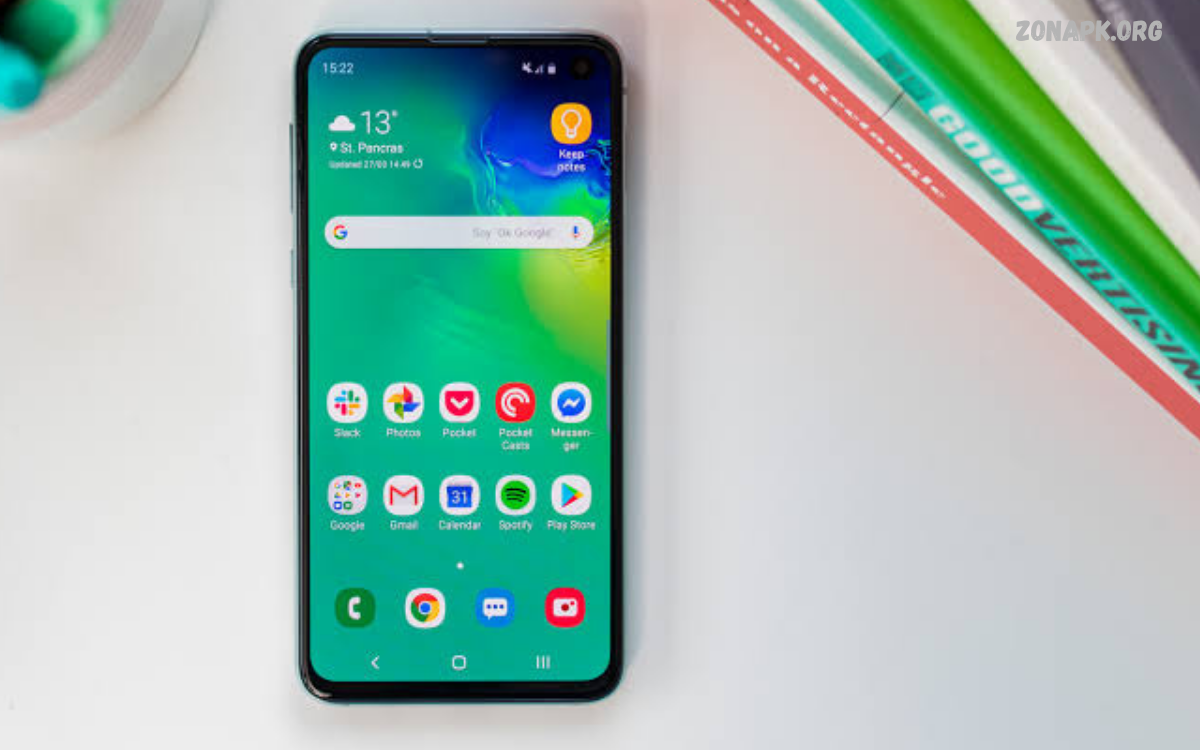
Android continues to evolve through new apps, improved features, smarter tools, and changing user needs. The latest Android apps now cover almost every part of daily digital life, including productivity, artificial intelligence, entertainment, communication, education, photography, finance, and personal organization.
New Android apps can help users save time, manage tasks, edit photos, learn new skills, communicate with others, and enjoy entertainment from a smartphone. However, a large number of new applications appear every year, making it important to understand which types of apps provide genuine value.
What Are Latest Android Apps?
The latest Android apps are applications recently released, significantly updated, or gaining popularity on Android devices. These apps can introduce new features, modern interfaces, AI-powered functions, improved security, or solutions for tasks that older applications may not handle as efficiently.
The term does not only refer to brand-new applications. An established application receiving a major redesign or substantial feature update can also become relevant when discussing the latest Android apps.
Why Latest Android Apps Matter
Smartphone habits change quickly, and applications often evolve alongside those habits. A productivity app may introduce AI assistance, a photo editor may add advanced automatic editing, or a communication application may improve privacy and file-sharing features.
Exploring the latest Android apps can also help users discover better alternatives to applications they already use. Instead of installing every new app, users can compare features, permissions, reviews, update history, and developer information before deciding whether an application deserves a place on their device.
Latest Android Apps for Productivity
Productivity remains one of the most useful Android app categories. New productivity applications focus on task management, note-taking, calendars, document organization, reminders, writing assistance, and workflow automation. Many modern apps are designed around quick actions because smartphone users often need to complete tasks within a few minutes.
AI features have also changed mobile productivity. Some applications can summarize information, organize notes, generate ideas, improve writing, or help users structure their daily work. These features can reduce repetitive tasks while allowing users to spend more time on important activities.
Latest Android Apps for Artificial Intelligence
Artificial intelligence has become a major part of the Android application ecosystem. AI-powered apps can assist with writing, image creation, research, language learning, brainstorming, transcription, and everyday questions. Their capabilities vary considerably, so users should examine exactly what each application offers before installing it.
AI applications can be particularly useful when they solve a specific problem rather than simply adding an AI label. A good app should provide understandable controls, reasonable privacy practices, useful results, and transparent information about its features. Users should also avoid entering sensitive personal information into unfamiliar AI services.
Latest Android Apps for Photo Editing
Mobile photography continues to drive demand for better editing applications. The latest Android apps in this category can provide tools for cropping, color adjustment, background changes, filters, retouching, text, effects, and other creative improvements.
Advanced photo editors increasingly use automated features to simplify editing. These tools can help beginners achieve useful results without requiring extensive knowledge of manual adjustments. Experienced users can still benefit from applications that provide detailed controls alongside automated functions.
Latest Android Apps for Video Editing
Video content has become an important part of social media, education, entertainment, and personal projects. Modern Android video editors offer trimming, transitions, captions, music, effects, speed controls, templates, and other tools directly on smartphones.
When choosing a video editing application, users should consider export quality, supported formats, watermark policies, available editing tools, and device performance requirements. A feature-rich application may not provide the best experience on every smartphone, particularly when editing larger or higher-resolution videos.
Latest Android Apps for Education
Educational applications provide mobile access to courses, tutorials, language learning, practice exercises, digital books, and study resources. New applications increasingly use interactive lessons and personalized learning features to make studying more convenient.
Students can use Android educational apps for many different purposes, including vocabulary development, mathematics practice, programming, general knowledge, and professional skills. The most useful option depends on the learner’s subject, current level, learning style, and available study time.
Latest Android Apps for Communication
Communication applications remain among the most frequently used smartphone tools. New and updated apps continue to improve messaging, voice communication, video calls, file sharing, group collaboration, and community features.
Privacy should remain an important consideration when selecting communication apps. Users should review permissions and privacy information and avoid installing applications from unknown sources simply because they advertise unusual communication features.
Latest Android Apps for Entertainment
Entertainment applications cover streaming, music, podcasts, games, short-form video, books, and other digital content. New Android apps frequently experiment with different content formats and personalized recommendations.
A useful entertainment app should offer a reliable experience without unnecessary permissions or intrusive behavior. Users should also pay attention to subscription terms, advertising, storage requirements, and mobile data usage before committing to an application.
Latest Android Apps for Gaming
Android gaming continues to expand through casual games, competitive titles, strategy games, simulations, role-playing games, and multiplayer experiences. New releases often introduce improved graphics, online features, seasonal content, and cloud-based services.
Before installing a demanding game, users should check its device requirements. Storage space, processor performance, RAM, battery consumption, and network requirements can significantly affect gameplay. Checking recent reviews can also reveal performance problems that may not be obvious from an application’s store description.
Latest Android Apps for Personal Finance
Finance applications can help users track spending, organize budgets, monitor transactions, and understand personal financial habits. Some applications provide dashboards that make financial information easier to review from a smartphone.
Financial apps require additional caution because they may handle sensitive information. Users should verify the developer, review permissions, use official distribution channels, and enable available security features. An unfamiliar finance application should never be trusted solely because it has a professional-looking interface.
Latest Android Apps for Health and Fitness
Health and fitness applications can support exercise tracking, activity monitoring, sleep routines, nutrition organization, and general wellness goals. Smartphone sensors and connected devices can provide additional information depending on the application and hardware.
Users should understand that general fitness applications are not a replacement for professional medical advice. App-generated information can be useful for tracking habits, but important health decisions should rely on qualified professionals and reliable medical sources.
Latest Android Apps for File Management
File management becomes increasingly important as smartphones store photos, videos, documents, downloads, and application data. Modern file manager apps can help users organize folders, locate documents, manage storage, and transfer files.
A file manager may request broad storage permissions because it needs access to files. Users should still verify that the application comes from a trustworthy developer. Avoiding unnecessary permissions can reduce privacy risks while keeping the phone’s storage organized.
Latest Android Apps for Cloud Storage
Cloud storage apps provide access to documents, images, videos, and other files across multiple devices. They can also provide backup and synchronization functions, depending on the service.
When selecting a cloud storage application, users should consider available storage, synchronization features, supported devices, security options, pricing, and account recovery methods. Important files should not depend on a single location without considering backup requirements.
Latest Android Apps for Security
Mobile security remains important as smartphones contain personal messages, photographs, accounts, documents, and financial information. Security-focused applications may provide password management, authentication tools, privacy controls, or device monitoring features.
Users should be careful with applications that claim to provide instant protection through exaggerated warnings. Android already includes built-in security mechanisms, so third-party security software should offer a clear and trustworthy purpose rather than creating unnecessary alerts.
Latest Android Apps for Customization
Android provides extensive customization options, and new applications continue to expand them. Custom launchers, widgets, icon tools, wallpapers, keyboard applications, and personalization utilities can change the appearance and usability of a device.
Customization apps can be enjoyable, but users should review requested permissions carefully. An app designed to change wallpapers does not necessarily need access to unrelated personal information. Permission requests should make sense for the application’s advertised function.
Latest Android Apps for Travel
Travel applications can help users organize itineraries, discover destinations, translate languages, manage reservations, navigate unfamiliar areas, and find useful local information. Modern travel apps increasingly combine several functions into a single interface.
Travelers should download important information before leaving reliable internet coverage when possible. Offline maps, saved reservations, emergency information, and essential documents can remain useful when mobile connectivity is limited.
Latest Android Apps for Shopping
Shopping applications allow users to browse products, compare prices, track orders, and manage purchases from a smartphone. New shopping apps may introduce personalized recommendations, visual search, price alerts, or improved discovery tools.
Security is especially important for shopping applications because purchases may involve personal and payment information. Users should verify the application’s authenticity and avoid entering payment information into suspicious applications or links.
Latest Android Apps for Social Media
Social media applications continue to introduce new content formats, editing tools, messaging options, communities, and recommendation systems. The Android ecosystem provides access to both major platforms and smaller niche communities.
Users should pay attention to privacy controls and notification settings. Managing permissions and limiting unnecessary notifications can create a more controlled smartphone experience while reducing distractions.
How to Find Latest Android Apps Safely
The safest starting point for discovering new applications is an official Android application marketplace. Users should examine the developer name, description, screenshots, recent reviews, update history, permissions, and download information before installing an unfamiliar application.
Search results alone should not determine whether an application is trustworthy. A professional-looking listing does not guarantee quality or safety.
Read Also: Photo Filters App: Complete Guide to Creative Photo Editing
Check App Permissions Before Installation
Permissions determine what information or device functions an application can access. Depending on its purpose, an app may request access to files, the camera, microphone, contacts, location, notifications, or other features.
Users should ask whether each requested permission is necessary. For example, a photo editor may reasonably need access to photographs, while an unrelated utility requesting contacts and microphone access deserves closer examination. Reviewing permissions is a simple step that can improve privacy awareness.
Read Recent User Reviews
Reviews can provide practical information that is not always visible in an app description. Recent users may mention crashes, battery consumption, advertisements, subscription changes, compatibility problems, or missing features.
However, reviews should be considered as a group rather than relying on one comment. A single negative review may represent an isolated problem, while repeated recent complaints can indicate a broader issue. Users should also check whether developers respond to reported problems.
Check the Developer Information
Developer information can help users distinguish established applications from unfamiliar software. Look for consistent developer details, official websites, support information, and a history of other applications.
A new developer is not automatically unreliable, but unfamiliar software deserves additional attention. Users should avoid downloading applications simply because they promise premium features for free or make unrealistic claims.
Keep Android Apps Updated
Updates can introduce new functions, compatibility improvements, bug fixes, and security changes. Keeping important applications updated can therefore improve both functionality and reliability.
Automatic updates can simplify maintenance, although users may prefer manual control over applications that consume significant storage or data. Reviewing update information occasionally can also help users understand how an application is changing over time.
Remove Apps You No Longer Use
Installing many applications can consume storage and create unnecessary notifications. Some applications may also retain permissions even when they are rarely used.
Regularly reviewing installed apps can keep a smartphone organized. Removing applications that are no longer needed can free storage and reduce clutter. Users can reinstall an app later when necessary, provided it remains available from a trustworthy source.
Avoid Modified Android Apps
Modified applications can promise unlocked features, premium tools, or removed restrictions. However, unofficial modifications may create security and privacy concerns because users cannot always verify what has been changed inside the application.
For important services, official versions provide a clearer source and update path. Users should be particularly careful with modified apps that request extensive permissions, require disabling security settings, or come from unknown websites.
Latest Android Apps and Battery Usage
Some applications can consume significant battery power because they use location services, background synchronization, video processing, gaming functions, or frequent notifications. New features can sometimes increase resource usage.
Battery consumption should therefore be considered alongside functionality. Android’s battery settings can help users identify applications that use substantial power. Restricting unnecessary background activity may improve battery life, although doing so can affect notifications or synchronization.
Latest Android Apps and Storage
Modern applications can require considerable storage because of high-resolution media, offline content, cached files, and additional downloadable resources. Games and video editors can be especially demanding.
Before installing a large application, users should check available storage. Maintaining sufficient free space can also help the smartphone operate more smoothly and leave room for photographs, videos, updates, and other files.
Choosing the Right Android App
The right application depends on the user’s specific needs rather than popularity alone. A student may need an educational or productivity app, while a photographer may prioritize editing tools and a gamer may focus on performance and multiplayer features.
A simple comparison can make the selection process easier. Consider the application’s purpose, features, permissions, developer reputation, reviews, update activity, storage requirements, advertisements, subscriptions, and compatibility before installation.
Future Trends in Android Apps
Android applications are likely to continue incorporating artificial intelligence, automation, personalization, improved privacy features, and cross-device experiences. Developers are also exploring ways to make applications more responsive to user context while reducing unnecessary interaction.
Another important trend is the integration of smartphones with other devices. Wearables, tablets, computers, smart home products, and connected accessories can work together through compatible applications. This creates opportunities for more seamless digital experiences across multiple devices.
Frequently Asked Questions
What are the latest Android apps?
The latest Android apps include newly released applications as well as established apps receiving significant updates. They can cover AI, productivity, entertainment, education, photography, communication, gaming, finance, and many other categories.
How can I find new Android apps?
Users can explore official Android app marketplaces, technology news, developer announcements, and application recommendations. Checking developer information, recent reviews, permissions, and update history can help evaluate unfamiliar apps.
Are all new Android apps safe?
No application should be considered safe simply because it is new. Users should verify the developer, use trustworthy distribution channels, review permissions, and check recent user feedback before installation.
Should I download Android apps from APK websites?
Official application stores are generally the safer starting point. APK files from unknown websites can create additional security risks because their source and modifications may be difficult to verify.
How often should Android apps be updated?
Important applications should generally remain updated when updates are available from trustworthy sources. Updates can provide bug fixes, compatibility improvements, new features, and security-related changes.
Do new Android apps use more battery?
Not necessarily. Battery usage depends on the application’s design and features. Apps involving continuous location tracking, video processing, gaming, or background synchronization may consume more battery than lightweight applications.
How do I know whether an Android app needs a permission?
Consider whether the permission is directly related to the application’s main function. If an application requests access that appears unrelated to its purpose, review the request carefully before allowing it.
Are free Android apps completely free?
Some free apps are supported by advertisements, optional purchases, subscriptions, or other business models. Check the application’s store information for details about purchases and subscriptions before using it.
Can I uninstall apps I do not use?
Yes. Removing unused applications can free storage and reduce unnecessary clutter. Some preinstalled system applications may have different options, such as disabling them instead of fully uninstalling them.
What should I check before installing a new Android app?
Check the developer, application description, recent reviews, permissions, update history, storage requirements, subscription information, and source. These details can help you make a more informed installation decision.
Conclusion
The latest Android apps offer an expanding range of tools for productivity, AI, photography, video editing, education, communication, entertainment, gaming, security, and everyday tasks. New releases can provide useful features, but popularity alone does not guarantee that an application is appropriate for every user.
A thoughtful approach is more useful than installing every new application. Check the developer, permissions, reviews, update history, storage requirements, and privacy information before installation.
