

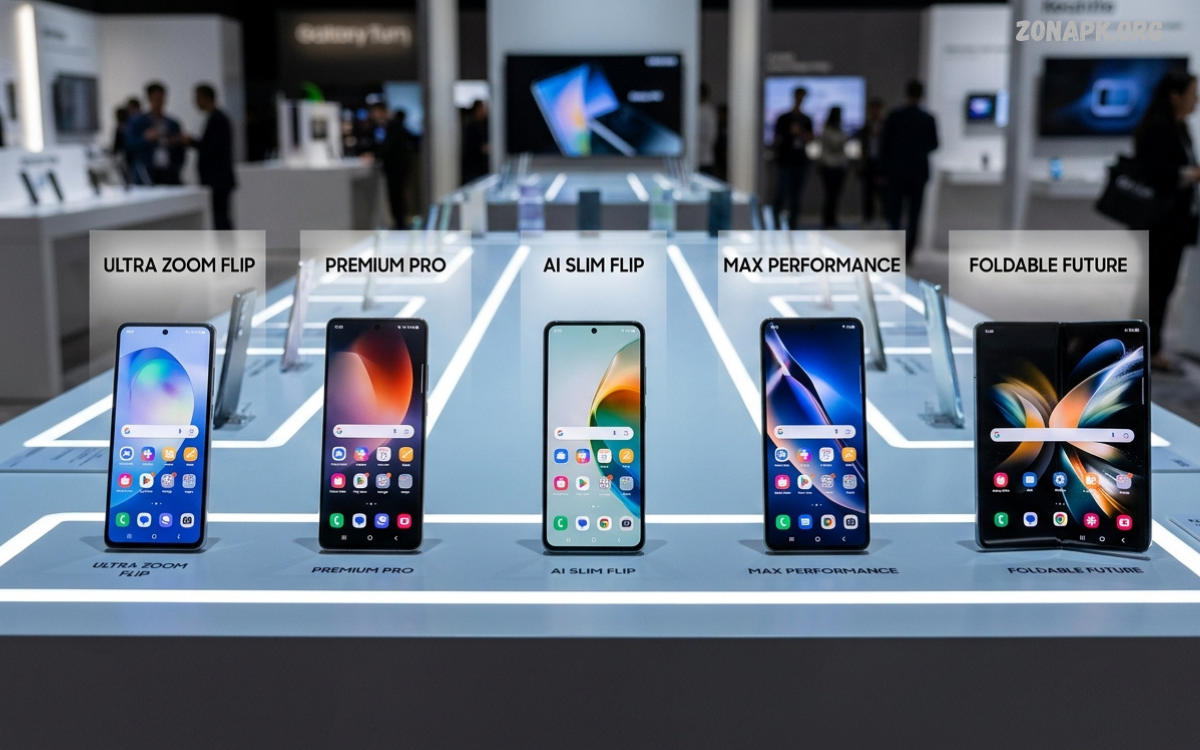
The smartphone industry keeps evolving with faster processors, advanced cameras, brighter displays, longer-lasting batteries, and smarter software.
Modern smartphone models also focus on artificial intelligence, improved security, premium designs, and advanced connectivity.
What Are the Latest Smartphones?
The latest smartphones are modern mobile devices equipped with updated processors, operating systems, cameras, displays, connectivity technologies, and intelligent features. Manufacturers regularly introduce new models to improve speed, battery efficiency, photography, security, and overall user experience.
New smartphone generations often introduce improvements rather than completely different concepts. Better image processing, faster charging, stronger displays, improved thermal management, and enhanced AI capabilities can make a noticeable difference during everyday use.
Why Are Latest Smartphones Becoming More Advanced?
Smartphone technology is developing rapidly because users expect mobile devices to handle increasingly demanding tasks. People now use smartphones for photography, video creation, online learning, gaming, banking, social media, professional communication, and productivity.
Manufacturers are responding by developing more powerful hardware and smarter software. Efficient processors, high-refresh-rate displays, improved cameras, and AI-powered tools let modern smartphones handle tasks that once required separate devices.
Performance and Modern Smartphone Processors
Processor performance remains one of the most important factors when evaluating Latest Smartphones. Modern chipsets are designed to provide fast application loading, smooth multitasking, efficient gaming performance, and better energy management without unnecessarily increasing power consumption.
Advanced processors also improve artificial intelligence and image-processing capabilities. A capable chipset can help smartphones process photographs faster, manage demanding applications, support sophisticated graphics, and deliver responsive performance throughout the day.
Artificial Intelligence in Latest Smartphones
Artificial intelligence has become an important feature across modern smartphones. AI can support photography, voice assistance, translation, writing tools, image editing, search functions, battery optimization, and personalized software experiences.
AI features vary between manufacturers and individual models, so users should examine what each device actually provides. Some smartphones focus on productivity tools, while others emphasize photography, communication, creative editing, or device management.
Smartphone Camera Technology
Camera systems remain a major focus of Latest Smartphones. Modern devices can include multiple lenses for wide, ultra-wide, telephoto, and portrait photography, allowing users to capture different perspectives without carrying dedicated camera equipment.
Software processing is equally important because smartphone photography depends on computational photography. Features such as improved HDR processing, night photography, stabilization, portrait effects, and intelligent scene recognition can significantly influence final image quality.
Display Technology and Viewing Experience
Modern smartphone displays provide improvements in brightness, color accuracy, resolution, responsiveness, and viewing comfort. High-refresh-rate screens can make scrolling, animations, supported games, and compatible applications appear smoother.
Display size also affects how comfortable a smartphone feels during daily use. Larger screens can benefit video viewing, gaming, editing, and multitasking, while compact designs may provide easier one-handed handling and greater portability.
Battery Life and Charging Technology
Battery performance is another important consideration when choosing Latest Smartphones. Efficient processors, optimized software, adaptive refresh rates, and larger batteries can help devices remain usable for longer periods during normal daily activities.
Fast-charging technology has also become increasingly important. Charging speeds differ between manufacturers and models, while wireless charging is available on selected devices. Users should consider battery capacity, charging speed, charger compatibility, and actual usage patterns together.
5G and Modern Connectivity
Connectivity continues to improve across new smartphone generations. Depending on the model and market, users may find support for advanced 5G networks, Wi-Fi technologies, Bluetooth improvements, NFC, and other wireless communication standards.
Fast connectivity can improve downloading, streaming, online gaming, video calls, cloud services, and file transfers. However, real-world performance also depends on network availability, carrier support, location, signal quality, and compatible infrastructure.
Smartphone Design and Build Quality
Design remains an important part of the modern smartphone experience. Manufacturers use materials such as glass, aluminum, titanium, reinforced composites, and specialized protective materials to create devices with different combinations of appearance, weight, durability, and comfort.
Water and dust resistance can provide additional protection for compatible devices. Buyers should check the official protection rating rather than assuming every premium-looking smartphone offers the same level of resistance.
Storage and Memory Options
Storage capacity determines how much space a smartphone provides for applications, photographs, videos, documents, games, and other files. Latest Smartphones commonly offer several storage configurations, allowing buyers to select an option based on their usage requirements.
RAM also affects multitasking and application management. Users who frequently switch between demanding applications, edit media, or play graphics-intensive games may benefit from higher memory configurations, while lighter users may not require the highest available specification.
Gaming Performance on Latest Smartphones
Mobile gaming has become increasingly demanding, encouraging manufacturers to improve graphics performance, cooling systems, displays, and touch responsiveness. Latest Smartphones can provide powerful hardware capable of handling sophisticated mobile games at smooth frame rates.
Gaming performance depends on more than the processor. Thermal management, battery capacity, display refresh rate, touch sampling, software optimization, and sustained performance can all influence the experience during longer gaming sessions.
Software and User Experience
A smartphone’s software can be just as important as its hardware. Modern operating systems provide improved privacy controls, customization options, multitasking features, accessibility tools, security updates, and intelligent functions designed to make everyday tasks easier.
Software support should also be considered before purchasing a device. Longer update policies can help users receive new features, security improvements, and operating-system upgrades for a greater period, depending on the manufacturer’s policy for that specific model.
Smartphone Security and Privacy
Security has become a central feature of modern smartphones. Biometric authentication, secure hardware, encrypted data, application permissions, privacy controls, and regular security updates can help protect personal information stored on a device.
Users should also maintain strong account credentials and review application permissions regularly. A secure smartphone experience depends on both manufacturer protections and responsible user behavior when installing applications, accessing websites, and sharing personal information.
Latest Smartphones for Photography
Photography-focused smartphones combine capable camera hardware with advanced software processing. High-resolution sensors, optical stabilization, multiple focal lengths, improved low-light processing, and computational photography can help users capture detailed images in different environments.
Video recording has also become an important smartphone feature. Depending on the model, users may get high-resolution recording, stabilization, cinematic modes, slow motion, improved microphones, and advanced editing tools built into the device.
Latest Smartphones for Students
Students often need smartphones that balance performance, battery life, storage, communication, and affordability. A capable mid-range device can handle online classes, research, productivity applications, social platforms, document editing, and entertainment without requiring the most expensive hardware.
Battery endurance and storage can be especially useful for students who spend long periods away from charging facilities. Dependable software support can also make a device a more practical long-term option for educational and communication needs.
Read Also: Android Security: A Complete Guide to Protecting Your Device and Data
Latest Smartphones for Professionals
Professionals may prioritize reliable performance, strong connectivity, security, battery life, and productivity features. Modern smartphones can support email, video conferencing, document management, cloud platforms, calendars, messaging, and other workplace applications.
Large displays and multitasking features can improve productivity for users who frequently work from a smartphone. Premium models may also provide desktop-style connectivity, advanced accessories, stylus support, or enhanced enterprise security depending on the manufacturer.
Latest Smartphones for Content Creators
Content creators need smartphones that can handle photography, video recording, editing, storage, and social media publishing. Camera quality, stabilization, microphones, processing performance, and storage capacity can therefore become important purchasing factors.
A powerful processor can also reduce editing and rendering times for supported applications. However, creators should evaluate the complete workflow, including camera controls, file formats, storage options, display quality, battery performance, and accessory compatibility.
Foldable Smartphones and New Form Factors
Foldable smartphones represent one of the most notable developments in modern mobile design. These devices can provide larger usable displays while maintaining a more compact folded form, creating new possibilities for multitasking, entertainment, reading, and productivity.
Foldable technology continues to evolve through improvements in hinges, displays, durability, software optimization, and device thickness. Buyers interested in this category should consider durability, repair options, crease visibility, battery performance, and application compatibility.
How to Choose the Right Smartphone
Choosing among Latest Smartphones requires more than selecting the newest or most expensive model. Users should identify their main priorities, such as camera performance, gaming, battery life, display quality, storage, software support, connectivity, or productivity.
Budget should also remain part of the decision. A smartphone with specs that match actual usage can offer better practical value than a premium model with features the user rarely needs.
What Specifications Should Buyers Compare?
Important specifications include the processor, RAM, storage, display technology, camera system, battery capacity, charging technology, connectivity, operating system, and software-support policy. Comparing these areas creates a clearer picture of a device’s overall capabilities.
Specifications should not be viewed independently. For example, a large battery combined with inefficient hardware may provide a different experience from a smaller battery paired with highly efficient components and optimized software.
Are Expensive Smartphones Always Better?
Premium smartphones commonly offer advanced materials, powerful processors, sophisticated camera systems, high-quality displays, and additional software features. However, the practical advantage depends on how the user intends to use the device.
Mid-range smartphones can provide strong performance for everyday communication, photography, entertainment, and productivity. Buyers should match their needs to available features rather than assuming price alone determines suitability.
How Smartphone Technology May Continue to Evolve
Future smartphone development is likely to focus on artificial intelligence, energy efficiency, camera processing, connectivity, durable designs, and improved interaction methods. Manufacturers are also exploring new form factors and software experiences that can expand smartphone capabilities.
AI may become increasingly integrated into everyday mobile tasks, while hardware improvements can support more sophisticated applications. Battery technology, charging systems, displays, and camera sensors are also expected to remain important areas of development.
Frequently Asked Questions
What are the latest smartphones?
The latest smartphones are newly released or recently updated mobile devices featuring modern processors, displays, cameras, connectivity, software, and other technologies. Their features vary by manufacturer, model, price range, and market.
Which features matter most in a smartphone?
Important features depend on individual requirements. Processor performance, battery life, camera quality, display technology, storage, software support, connectivity, and security are common areas to compare before buying.
Are Latest Smartphones good for gaming?
Many modern smartphones provide strong gaming performance through capable processors, high-refresh-rate displays, efficient cooling, and optimized software. Actual gaming performance varies by model and game.
Do Latest Smartphones have AI features?
Many current smartphones include AI-powered features for photography, writing, translation, search, voice functions, editing, battery management, and other tasks. Available features vary by manufacturer and model.
How important is smartphone battery life?
Battery life is important for users who spend long periods away from chargers. Capacity, processor efficiency, display settings, software optimization, network usage, and application activity can all influence real-world battery performance.
Should I buy a smartphone with more storage?
More storage can help users who keep many photos, videos, games, apps, and documents on their devices. Users with lighter storage requirements may not need the highest configuration.
Are foldable smartphones worth considering?
Foldable smartphones provide unique screen and form-factor advantages, particularly for multitasking and larger-screen activities. Buyers should also consider durability, price, software support, battery performance, and repair availability.
How often should I replace my smartphone?
There is no universal replacement period. A smartphone can remain useful as long as it provides adequate performance, battery health, security support, storage, and software compatibility for the user’s requirements.
Conclusion
Latest smartphones continue to combine powerful hardware with intelligent software, advanced cameras, improved displays, efficient processors, and modern connectivity. These developments give users more options for communication, entertainment, photography, gaming, education, and professional work.
The right smartphone ultimately depends on individual requirements rather than specifications alone. By comparing performance, battery life, cameras, display quality, storage, security, software support, and connectivity, buyers can select a device that provides the features they actually need
