

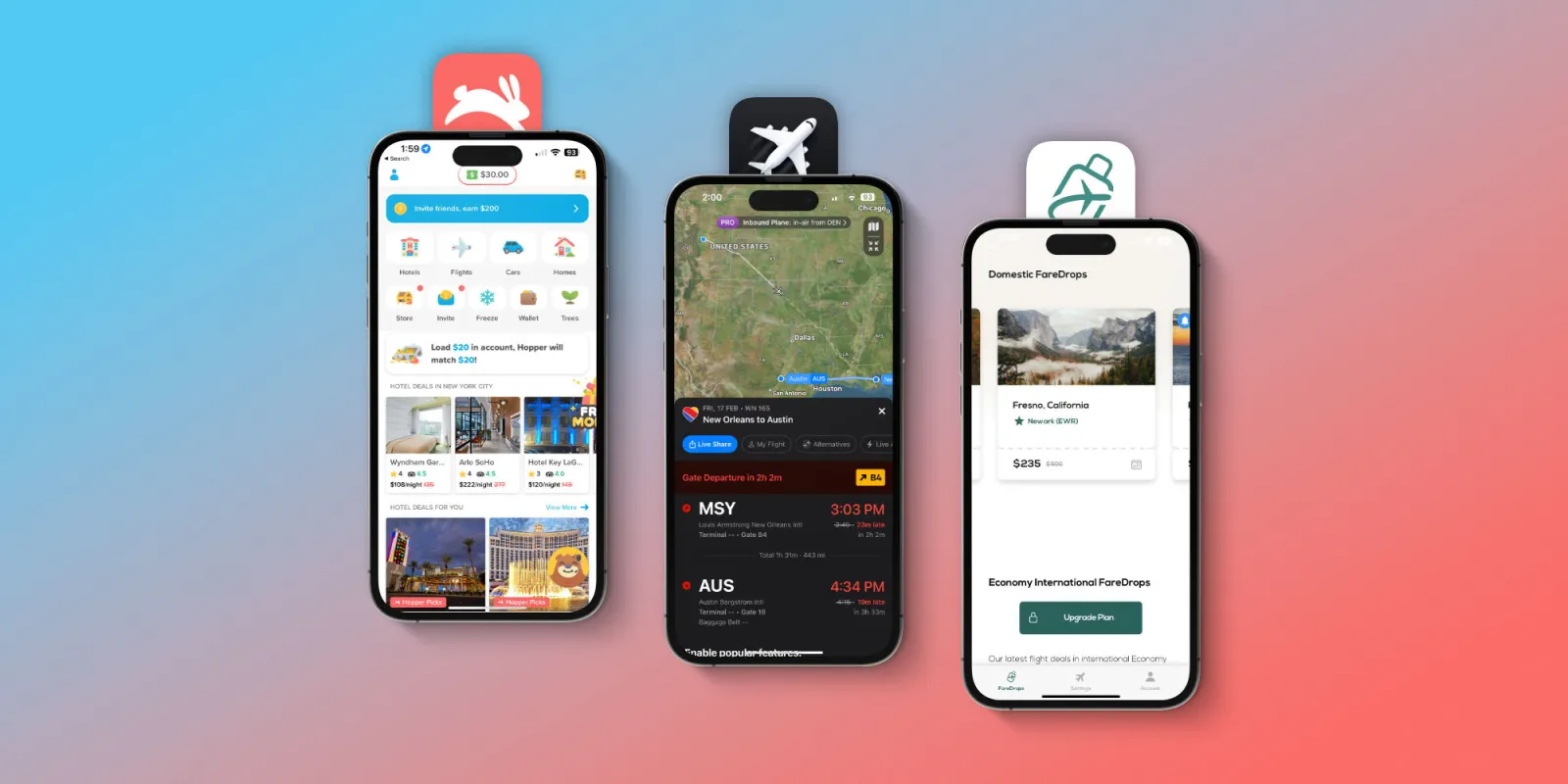
The best travel apps make modern travel easier, more organized, and more enjoyable. From booking flights and hotels to finding local attractions, navigating unfamiliar streets, and managing travel expenses, mobile applications help travelers handle essential tasks from a smartphone.
Travelers often need several tools to manage different parts of a trip. Flight booking apps help compare fares, hotel apps provide accommodation options, navigation apps offer directions, and translation apps support communication in unfamiliar languages.
Why Best Travel Apps Are Essential for Modern Travelers
Travel planning involves many details, including transportation, accommodation, sightseeing, reservations, documents, and daily expenses. Managing everything manually can become confusing, especially during international trips or journeys involving multiple destinations.
Smartphone applications also provide quick access to important information while traveling. Users can check flight updates, explore nearby restaurants, download maps, review hotel reservations, and discover attractions without carrying printed documents.
Google Maps for Navigation and Exploration
Google Maps is among the most useful travel applications for exploring unfamiliar destinations. Its mapping features help travelers find hotels, restaurants, shopping centers, tourist attractions, public transportation stops, and other important locations.
Offline maps provide additional convenience when internet connectivity becomes unreliable. Travelers can download maps for supported areas before departure and use them for navigation without continuous mobile data access.
Google Travel and Trip Organization
Google Travel provides useful online tools for researching destinations, comparing travel possibilities, and organizing certain reservations. Travelers can explore destinations, review flight options, investigate accommodation, and collect information before deciding how to structure a journey.
Organized travel information makes complicated itineraries easier to manage. Travelers can maintain reservation emails, destination notes, transportation details, and sightseeing plans in accessible digital formats.
Skyscanner for Comparing Flight Prices
Skyscanner helps travelers compare flight options from different airlines and travel providers. Its search tools allow users to investigate routes, compare departure times, explore alternative dates, and discover possible connections. Flexible date searches can help identify different fare options, making the application useful for travelers who have some freedom when selecting departure and return dates.
Flight prices can change frequently because of demand, availability, booking conditions, and other factors. Travelers should review baggage allowances, cancellation policies, payment charges, and connection requirements before completing a purchase. Checking the airline’s official website alongside comparison results can help confirm the final price and provide a clearer understanding of the ticket conditions.
Booking.com for Hotels and Accommodation
Booking.com is a popular option for discovering hotels, apartments, guesthouses, and other accommodation choices. Travelers can compare properties by location, price, guest reviews, available facilities, and accommodation type. Search filters help narrow the results according to personal requirements, making it easier to identify suitable places for family holidays, business trips, weekend breaks, and extended stays.
Before reserving accommodation, travelers should examine the complete booking conditions. Important details include check-in times, cancellation deadlines, taxes, breakfast availability, payment requirements, and additional charges. Guest reviews can provide helpful information about cleanliness, location, and service quality, while checking the property address on a map helps confirm whether it suits the planned itinerary.
Airbnb for Unique Stays
Airbnb allows travelers to explore accommodation ranging from private rooms and apartments to entire homes and distinctive properties. This variety can appeal to families, groups, remote workers, and travelers seeking facilities such as kitchens or laundry areas. Staying in residential neighborhoods may also offer opportunities to experience a destination beyond its main tourist districts.
Every property should be evaluated carefully before booking. Travelers should review host information, recent guest feedback, house rules, cleaning charges, service fees, and cancellation terms. Checking transportation links and nearby amenities can also help determine whether a property is convenient for the intended journey. Local regulations and accommodation availability may differ significantly between destinations.
TripIt for Itinerary Management
TripIt helps travelers organize travel information into a structured itinerary. Depending on the available features and supported booking information, users can collect flight details, hotel reservations, rental car confirmations, and other trip documents in one accessible location. A consolidated itinerary can be particularly useful when a journey includes several cities, transportation providers, or accommodation changes.
Keeping travel information organized reduces the need to search through multiple messages during a busy journey. Travelers can review departure details, reservation references, and planned activities before leaving their accommodation. It is still important to verify critical information with airlines, hotels, and transport providers because schedules, terminals, and reservation conditions can change.
Rome2Rio for Transportation Planning
Rome2Rio helps travelers explore transportation possibilities between cities and destinations. Search results may include trains, buses, flights, ferries, driving routes, and combinations of different transport methods. This approach is especially useful for international trips, regional adventures, and journeys involving places that are not directly connected by a single transportation service.
Estimated travel times, route comparisons, and indicative costs can help travelers decide which transportation method best suits their plans. However, displayed information may not always reflect real-time availability or the latest ticket prices. Users should confirm schedules, departure stations, service disruptions, and booking requirements with the actual transportation operator before starting a journey.
Uber for Convenient Local Transportation
Uber provides an app-based option for requesting rides in supported locations. Travelers can enter their destination, review available ride categories, check estimated fares, and follow their driver’s arrival through the application. Digital payment options and trip information can make local transportation more convenient, particularly when travelers are unfamiliar with the surrounding streets.
Availability, prices, payment methods, and service rules vary by destination. Travelers should verify the vehicle details and driver information before entering a car, follow local safety guidance, and use official pickup locations where appropriate. In some cities, licensed taxis, public transportation, airport shuttles, or local ride-hailing services may offer more practical alternatives.
Google Translate for Language Support
Google Translate helps travelers understand unfamiliar words, phrases, signs, menus, and written information. Text translation and supported conversation features can make everyday communication easier when visiting destinations where the traveler does not speak the local language. Camera-based translation can also help interpret certain printed materials, although accuracy may depend on image quality and language support.
Downloading language packs before departure can improve access to translation features when mobile connectivity is limited. Travelers should remember that automated translations may misunderstand slang, cultural expressions, and complex sentences. For important legal, medical, or official matters, seeking assistance from a qualified human translator or trusted local professional is a more reliable approach.
Duolingo for Learning Useful Travel Phrases
Duolingo offers language-learning lessons that can help travelers prepare for communication before departure. Learning greetings, common questions, numbers, directions, and food-related vocabulary can make everyday interactions more comfortable. Short lessons also allow users to practice during spare moments without committing to lengthy study sessions.
Language preparation can improve the overall travel experience by helping visitors communicate more respectfully with local residents. Travelers can focus on practical expressions related to transportation, accommodation, shopping, and asking for assistance. Although a language-learning application cannot replace fluency, basic preparation can support more confident communication and a better understanding of local customs.
XE Currency for Exchange Rate Information
XE provides currency conversion tools that help travelers understand prices in unfamiliar currencies. Users can convert amounts, compare values, and estimate the cost of purchases before spending money abroad. This can be particularly useful when evaluating hotel prices, restaurant bills, transportation fares, shopping expenses, and other costs during international travel.
Currency information should be treated as an estimate rather than a guaranteed transaction rate. Banks, card providers, exchange offices, and payment services may apply different rates or additional fees. Travelers should review the total amount before confirming a payment and avoid accepting unfamiliar conversion offers without understanding the exchange rate being applied.
Trail Wallet and Travel Budgeting Tools
Travel budgeting applications help users monitor expenses and understand how much money remains available during a trip. Depending on the application, travelers may record accommodation costs, meals, transportation, activities, shopping, and other purchases. Some tools support multiple currencies, spending categories, and daily budget targets, allowing users to maintain a clearer financial overview.
A realistic travel budget should include more than major reservations. Travelers should account for local transportation, meals, entrance fees, communication costs, travel insurance, and unexpected expenses. Recording purchases regularly makes it easier to identify spending patterns and adjust plans when necessary. Available features, pricing, and platform support differ between budgeting applications.
PackPoint for Smart Packing
PackPoint helps travelers prepare packing lists based on trip details such as destination, travel dates, activities, and expected weather. Instead of creating a new checklist from scratch, users can start with suggested items and adapt the list to their personal requirements. This can be useful for business trips, outdoor adventures, beach holidays, and extended international journeys.
A carefully prepared packing list helps travelers remember important belongings before leaving home. Essential items may include identification documents, prescribed medication, chargers, suitable clothing, toiletries, and reservation information. Travelers should check airline baggage restrictions, destination weather forecasts, and local requirements before finalizing their luggage, particularly when traveling internationally.
AccuWeather for Travel Forecasts
AccuWeather provides weather forecasts and related conditions that can help travelers prepare for outdoor activities. Checking temperatures, precipitation forecasts, wind conditions, and severe weather alerts can support decisions about clothing, sightseeing, hiking, and transportation. Weather information is especially valuable when visiting destinations with changing seasonal conditions or unpredictable outdoor environments.
Travelers should check forecasts regularly because conditions can change during a journey. A forecast should inform planning rather than guarantee specific weather outcomes. For important decisions involving storms, flooding, extreme heat, or other hazards, official local weather services and emergency authorities should take priority over general travel recommendations.
Tripadvisor for Attractions and Restaurants
Tripadvisor helps travelers research attractions, restaurants, tours, and accommodation through listings, photographs, and user reviews. Exploring traveler feedback can reveal useful information about popular activities, dining experiences, accessibility, and the general atmosphere of a destination. Search filters can also help users discover options suited to particular interests and budgets.
Online reviews are most useful when considered alongside other information. Travelers should compare recent feedback, verify opening hours, check current admission prices, and confirm whether advance reservations are necessary. Popular attractions may require timed tickets, while restaurant availability can change during holidays and busy travel periods. Official venue websites remain valuable sources for final details.
GetYourGuide for Tours and Activities
GetYourGuide helps travelers discover bookable tours, sightseeing experiences, guided visits, and selected local activities. Visitors can investigate options such as city tours, cultural experiences, outdoor adventures, and attraction tickets before arriving at their destination. Reviewing available experiences in advance can help create a balanced itinerary that combines major attractions with personal interests.
Before purchasing an activity, travelers should read the description, meeting instructions, duration, accessibility information, and cancellation policy. Some experiences have age restrictions, physical requirements, weather limitations, or specific clothing recommendations. Confirming the meeting point and keeping the booking confirmation accessible can help prevent confusion on the day of the activity.
Airline Apps for Flight Updates
Official airline applications are valuable companions for travelers who want direct access to their reservations. Depending on the airline, features may include mobile boarding passes, flight status notifications, seat selection, baggage information, check-in tools, and customer support. Keeping the airline’s app available can make airport procedures more convenient and help travelers monitor schedule changes.
Travelers should confirm the airline’s baggage rules, check-in deadlines, airport terminal, and boarding time before departure. A mobile boarding pass may not be accepted in every circumstance, so checking airport requirements is important. Keeping a secure backup of essential booking information can also be helpful when a phone battery runs low or connectivity becomes unavailable.
Read Also: Best PDF Editor Apps: For Editing Documents on Mobile and Desktop
WhatsApp for Travel Communication
WhatsApp can help travelers communicate with family members, travel companions, accommodation hosts, and service providers. Messaging, voice calls, video calls, and location sharing can support coordination during a journey, subject to internet access and regional availability. Group chats are particularly useful for sharing meeting points, schedules, and changes to travel arrangements.
Privacy and security should remain important when communicating through messaging applications. Travelers should avoid sharing passport details, payment credentials, or sensitive booking information in public groups. Using trusted networks, checking recipient identities, and reviewing location-sharing settings can help protect personal information throughout a trip.
Safety and Emergency Apps for Travelers
Safety applications can provide useful access to emergency contacts, location sharing, weather warnings, and travel advisories. Depending on the destination, travelers may also benefit from official public transportation alerts, local emergency services information, and government travel guidance. Preparing these resources before departure makes it easier to find important information when circumstances change unexpectedly.
Travelers should learn the local emergency number and understand how to contact relevant authorities. Keeping emergency contacts, accommodation details, insurance information, and copies of important documents in secure locations can improve preparedness. Applications should supplement sensible precautions rather than replace local guidance, personal awareness, or professional emergency assistance.
How to Choose the Best Travel Apps
The most suitable travel applications depend on the destination, trip duration, transportation arrangements, personal interests, and available budget. A short city break may require navigation, hotel booking, and restaurant discovery tools, while a multi-country journey may benefit from translation, currency conversion, itinerary management, and international transportation applications.
Travelers should prioritize reliability, ease of use, privacy, offline support, and transparent pricing when selecting apps. Reading recent reviews and checking app permissions can help identify useful options while avoiding unnecessary downloads. It is generally more practical to choose a small collection of dependable applications than to install numerous tools that perform similar functions.
Tips for Using Travel Apps Without Internet Access
Internet access may be limited in remote destinations, underground transport systems, rural areas, or locations with expensive roaming charges. Preparing for these situations can prevent unnecessary stress. Travelers should download supported offline maps, save booking confirmations, record important addresses, and review transportation details before leaving a reliable internet connection.
Offline functionality varies considerably between applications, and some features still require connectivity. Travelers should confirm which information remains accessible without internet access and keep essential documents available through secure offline methods. A local SIM card, suitable roaming package, or trusted portable internet connection may also help maintain access when online services are necessary.
Protecting Privacy When Using Travel Apps
Travel applications may request access to location information, contacts, photographs, notifications, and other device features. Some permissions are necessary for particular functions, but others may not be essential for basic use. Reviewing permission settings and downloading applications from trusted official app stores can help travelers make informed decisions about digital privacy.
Secure account practices are equally important during travel. Travelers should use strong, unique passwords, enable available security protections, install application updates, and avoid entering sensitive information on suspicious websites. Public Wi-Fi networks require additional caution, especially when accessing financial accounts or completing payments. Disabling unnecessary location sharing and reviewing account activity can further support personal security.
Best Travel Apps for International Trips
International travel often requires additional preparation because travelers may encounter different languages, currencies, transportation systems, and internet restrictions. Navigation tools, translation applications, currency converters, airline apps, and accommodation platforms can work together to support a more organized journey. Downloading necessary information before departure can be especially useful when arriving in an unfamiliar country.
Travelers should also investigate entry requirements, visa conditions, local transportation rules, and travel insurance before leaving. Official government resources and relevant embassy information are important for confirming current requirements. Travel applications can simplify planning, but they should not replace official documentation or authoritative information when making important international travel decisions.
Best Travel Apps for Budget Travelers
Budget-conscious travelers can use travel applications to compare flight prices, investigate affordable accommodation, find public transportation, and discover reasonably priced activities. Flexible travel dates, alternative airports, and early planning may reveal additional choices. Restaurant discovery tools and map applications can also help travelers identify convenient dining options without relying exclusively on expensive tourist areas.
Saving money requires attention to the complete cost rather than the initial advertised price. Travelers should consider baggage charges, transport to airports, accommodation taxes, service fees, and cancellation conditions before confirming bookings. Setting a daily spending allowance and recording expenses throughout the trip can help maintain financial control while leaving room for enjoyable experiences.
Frequently Asked Questions
What are the Best Travel Apps for planning a trip?
Google Maps, Skyscanner, Booking.com, TripIt, and Rome2Rio help with navigation, flight comparisons, accommodation, itinerary organization, and transportation research. The ideal combination depends on the destination and travel arrangements.
Which travel apps work offline?
Google Maps supports downloaded offline maps for eligible areas, while some translation and document tools offer offline features. Travelers should check individual application settings before departure because offline capabilities vary by app and location.
Are the Best Travel Apps free?
Many travel apps offer free downloads and basic features, although some include subscriptions, paid upgrades, booking charges, or service fees. Users should review pricing and transaction conditions before purchasing premium features or confirming reservations.
Which apps help travelers save money?
Flight comparison services, accommodation platforms, public transportation tools, and currency converters can help travelers compare options and understand costs. Checking final prices and additional charges is essential when evaluating potential savings.
How many travel apps should someone install?
There is no fixed number that suits every traveler. A practical collection usually covers essential needs such as navigation, transportation, accommodation, communication, budgeting, and access to important travel documents.
Conclusion
The Best Travel Apps can transform travel planning by making transportation, accommodation, navigation, communication, and budgeting easier to manage.
Successful travel still depends on preparation, careful decisions, and awareness of local conditions. Travelers should verify reservations, protect personal information, prepare offline resources, and confirm important details through official sources.
