

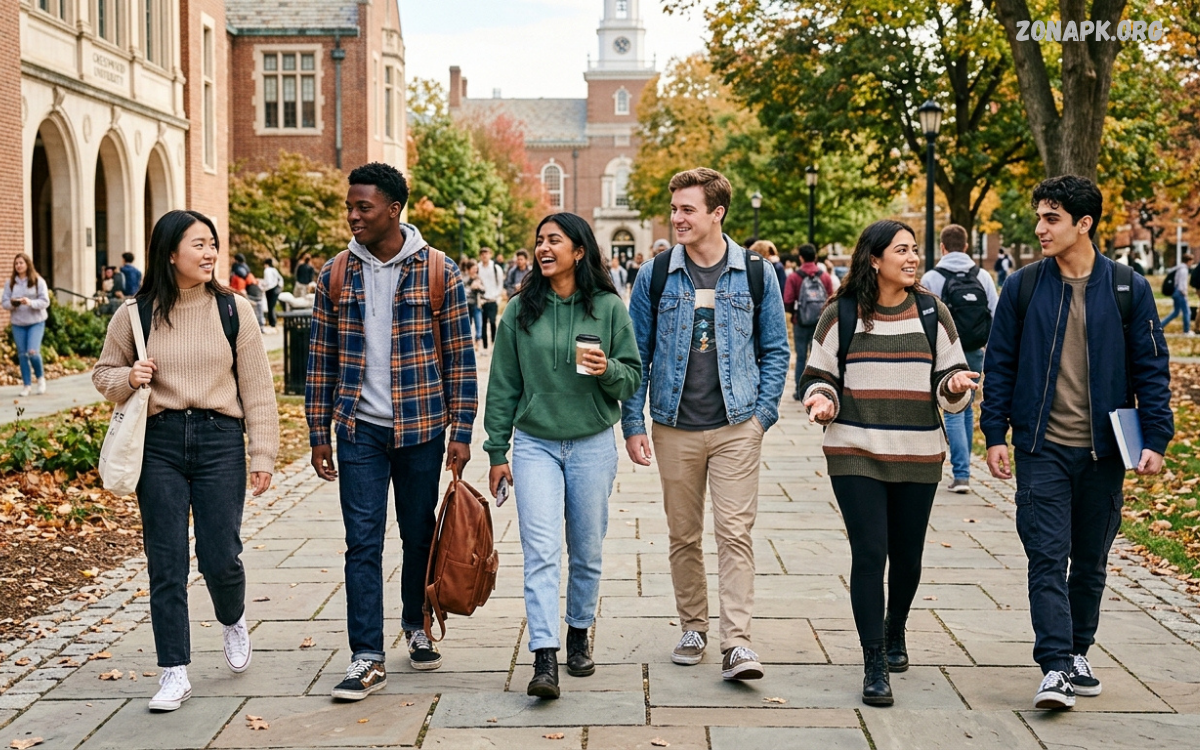
College life brings a unique mix of classes, social events, campus activities, study sessions, and casual outings. Having the Best Clothes for College Students makes it easier to look presentable while staying comfortable throughout a busy day. College fashion does not require an expensive wardrobe or designer brands.
The ideal college wardrobe should balance comfort, personal style, durability, and versatility. Students often spend long hours walking between classrooms, attending lectures, studying in libraries, and meeting friends. Clothing that feels comfortable and works across different situations becomes more valuable than pieces that only look good for one occasion.
Why Choosing the Right College Clothes Matters
College students need clothing that fits an active lifestyle. A typical day may involve early classes, campus activities, lunch with friends, group projects, and evening study sessions. Wearing comfortable clothing helps students move easily and stay focused instead of constantly adjusting uncomfortable outfits. Breathable fabrics, practical shoes, flexible pants, and lightweight layers are especially useful for long campus days.
Good college clothing also helps create a confident and organized appearance. Students do not need to follow every fashion trend to look stylish. Instead, choosing colors, fits, and clothing combinations that match personal preferences can create a consistent style. A well-planned wardrobe also reduces unnecessary spending because individual pieces can work with several different outfits.
T-Shirts: Essential College Wardrobe Basics
T-shirts are among the most useful items for any student wardrobe. Plain T-shirts in neutral shades such as black, white, gray, navy, and beige can be combined with jeans, trousers, joggers, shorts, jackets, and overshirts. Students can also add graphic or printed T-shirts to introduce personality into casual outfits. Cotton and other breathable materials are practical choices for everyday campus wear.
A small collection of quality T-shirts can create numerous outfit combinations. Students can wear a plain T-shirt with jeans for class, pair it with joggers for a relaxed study day, or layer it underneath a jacket for a more polished appearance. Choosing durable shirts that maintain their shape after repeated washing can also provide better long-term value than purchasing large quantities of low-quality clothing.
Comfortable Jeans for Everyday Wear
Jeans remain one of the most versatile options for college students. A comfortable pair can work for classes, casual meetings, shopping trips, campus events, and weekend activities. Straight-leg, relaxed, slim, and regular-fit jeans can all work depending on personal preference and comfort. The most important factor is choosing a fit that allows natural movement throughout the day.
Dark blue, light blue, black, and gray jeans provide excellent versatility. Dark jeans can create a slightly more polished outfit, while lighter washes work well with casual T-shirts and sneakers. Students can own two or three dependable pairs and rotate them throughout the week. Selecting durable denim can also reduce the need for frequent replacements.
Chinos for a More Polished Look
Chinos are an excellent choice when jeans feel too casual but formal trousers seem unnecessary. They provide a clean appearance while maintaining everyday comfort. Neutral colors such as khaki, navy, olive, charcoal, and black can easily complement different shirts and shoes. Chinos work especially well for presentations, college events, internships, and casual gatherings.
Students can pair chinos with polo shirts, Oxford shirts, plain T-shirts, sweaters, or casual jackets. Sneakers can create a relaxed outfit, while loafers or other simple shoes can produce a more polished appearance. Because chinos can move between casual and semi-formal situations, they are a practical addition to a college wardrobe.
Hoodies for Comfortable Campus Days
Hoodies are popular among college students because they combine comfort, warmth, and casual style. They work particularly well during cooler mornings, evening classes, library sessions, and outdoor campus activities. A simple hoodie in a neutral color can become one of the most frequently worn pieces in a student’s wardrobe.
Oversized and relaxed hoodies can create a modern casual appearance, while regular-fit designs offer a cleaner silhouette. Students can wear hoodies with jeans, joggers, cargo pants, or shorts depending on the weather. Zip-up hoodies provide additional versatility because they can be worn open over a T-shirt or zipped when temperatures drop.
Sweatshirts for Versatile Layering
Sweatshirts offer another comfortable option for college life. Unlike heavier winter jackets, sweatshirts are easy to carry and can work across different temperatures. Crewneck sweatshirts in neutral shades provide a simple foundation for casual outfits, while university-inspired designs can add a classic campus feel.
Layering a sweatshirt over a T-shirt creates a practical outfit for changing temperatures. Students can also combine sweatshirts with jeans and sneakers for an uncomplicated everyday look. Choosing durable fabrics and comfortable fits helps ensure that sweatshirts remain useful throughout multiple semesters.
Casual Shirts for Everyday Style
Casual shirts provide more variety than standard T-shirts while remaining comfortable enough for daily college wear. Flannel shirts, linen shirts, denim shirts, and relaxed button-down shirts can all add structure to an outfit. They can be worn buttoned or open over a basic T-shirt, making them useful layering pieces.
Plaid, striped, solid, and subtle patterned shirts offer different style options. Students can combine casual shirts with jeans, chinos, cargo pants, or shorts. A few versatile shirts can make a basic wardrobe look more varied without requiring many additional pieces.
Polo Shirts for Smart Casual Outfits
Polo shirts are ideal for students who want a polished appearance without wearing formal clothing. They can be appropriate for presentations, college meetings, casual events, and days when students want to dress slightly better. Neutral colors provide maximum versatility, while brighter shades can add personality to an outfit.
Polo shirts work particularly well with chinos, jeans, and clean sneakers. Students can also layer a lightweight jacket over a polo during cooler weather. A well-fitting polo creates a balanced appearance between casual and formal clothing, making it a useful college wardrobe essential.
Cargo Pants for Practical College Style
Cargo pants have become a popular choice for students who appreciate relaxed fashion and practical storage. Their additional pockets can be convenient for carrying small everyday items while moving around campus. Relaxed or straight-leg cargo pants can create a modern casual appearance when paired with simple tops.
Neutral cargo colors such as black, olive, beige, gray, and brown are easy to coordinate with T-shirts, hoodies, sweatshirts, and sneakers. Students should prioritize comfortable fits rather than selecting a style only because it is trending. Practical clothing becomes much more useful when it can be worn comfortably for several hours.
Joggers for Relaxed Days
Joggers are ideal for study sessions, travel, casual campus activities, and relaxed days. Their flexible construction provides freedom of movement, making them especially useful when students have long schedules. Joggers can also create a clean appearance when paired with simple T-shirts, sweatshirts, hoodies, and sneakers.
Black, gray, navy, and other neutral joggers are particularly easy to style. Students should look for comfortable waistbands and breathable materials. Although joggers are highly casual, choosing a clean design and pairing them with coordinated clothing can create a more organized appearance.
Shorts for Warm Weather
Students attending college in warm climates need comfortable shorts for hot days. Cotton, linen, and lightweight blended fabrics can provide better comfort during high temperatures. Simple shorts in neutral shades can be paired with T-shirts, polos, casual shirts, and sneakers.
The ideal length and fit depend on personal comfort and campus environment. Students should select shorts that allow comfortable movement without feeling restrictive. Having several pairs in different neutral colors can make summer outfit planning simple while keeping the wardrobe practical.
Lightweight Jackets for Changing Weather
A lightweight jacket is one of the most useful layering pieces for college students. Weather can change throughout the day, especially during spring and autumn. A student may leave home during a cool morning and return during a warmer afternoon. A lightweight jacket can provide warmth without becoming difficult to carry.
Denim jackets, bomber jackets, windbreakers, utility jackets, and lightweight zip-up jackets can all work well. Black, navy, gray, olive, and denim shades are easy to combine with everyday clothing. Students can wear these jackets over T-shirts, polos, sweatshirts, or casual shirts.
Winter Jackets and Coats
Students living in colder regions need reliable outerwear for winter. A warm jacket or coat should provide adequate protection while remaining comfortable enough for walking between buildings. Puffer jackets, insulated coats, wool-blend coats, and weather-resistant jackets are common options depending on local conditions.
Neutral outerwear offers the greatest flexibility because it can be worn with almost every outfit. Students should consider warmth, weight, durability, and weather resistance when selecting winter clothing. A dependable winter jacket can last multiple seasons and become one of the most important pieces in a cold-weather wardrobe.
Sneakers: The Best Everyday College Shoes
Sneakers are arguably among the most important items for college students. Students often walk significant distances across campus, making comfortable footwear essential. Simple white, black, gray, or neutral sneakers can match jeans, chinos, cargo pants, joggers, and shorts.
Students should prioritize comfort, proper support, durability, and suitability for daily walking. Having one pair dedicated to everyday campus use can help extend the lifespan of other shoes. Clean sneakers also make casual outfits look more polished without requiring additional styling.
Casual Shoes for Special College Events
Although sneakers cover most everyday situations, students may occasionally need a more polished pair of shoes. Casual loafers, simple leather-style shoes, or clean minimal footwear can work for presentations, interviews, formal college events, and internships. The goal should be versatility rather than owning numerous specialized pairs.
Neutral footwear is generally easier to coordinate with different clothing. Students can combine polished shoes with chinos, trousers, button-down shirts, polos, sweaters, or smart jackets. A single dependable pair can provide enough flexibility for many occasions.
Comfortable Clothing for Long Study Sessions
College wardrobes should not focus entirely on appearance. Students spend considerable time studying, completing assignments, attending online sessions, and working on projects. Comfortable clothing such as soft T-shirts, relaxed trousers, joggers, sweatshirts, and hoodies can make long study periods easier.
Comfort does not mean clothing has to look untidy. Students can select clean, well-fitting basics that provide flexibility without appearing overly casual. Keeping comfortable study clothes in good condition also helps create a simple distinction between relaxed clothing and worn-out clothing.
Best Clothes for College Students on a Budget
Building a college wardrobe does not require a large budget. Students can start with essential pieces and gradually add clothing as needed. A practical starting wardrobe might include several plain T-shirts, two or three pairs of jeans or chinos, one hoodie, one sweatshirt, a casual shirt, comfortable sneakers, and seasonal outerwear.
Shopping during sales, comparing quality, and choosing versatile colors can help students maximize their budget. Instead of buying clothing because it is temporarily popular, students can focus on pieces that work with existing wardrobe items. Cost per wear is often more useful than the initial price because durable clothing can remain useful for a much longer period.
How to Choose the Right Colors
Color coordination can make college outfits easier to create. Neutral colors such as black, white, gray, navy, beige, olive, and brown work well as wardrobe foundations. Students can then add a few preferred colors through shirts, hoodies, jackets, or accessories.
A neutral foundation also reduces the number of clothing pieces required to create different outfits. For example, a black T-shirt can work with blue jeans, gray trousers, olive cargo pants, or beige chinos. This versatility makes neutral clothing especially valuable for students who want a practical wardrobe.
How to Choose Comfortable Fabrics
Fabric plays an important role in everyday comfort. Cotton is popular for T-shirts and casual clothing because it is soft and breathable. Linen can be useful in hot weather, while fleece and other insulating fabrics can provide warmth during colder months. Blended fabrics may offer additional durability, stretch, or moisture-management properties depending on their construction.
Students should consider their local climate before choosing clothing materials. Lightweight breathable fabrics can be more comfortable in warm environments, while layered and insulating materials work better in colder conditions. Checking fabric care instructions can also help clothing last longer.
Building a Minimal College Wardrobe
A minimal wardrobe focuses on versatility rather than quantity. Students can create many outfits with a relatively small collection of carefully selected pieces. A practical wardrobe might contain neutral T-shirts, versatile jeans, chinos, a few casual shirts, a hoodie, a sweatshirt, sneakers, and seasonal outerwear.
The advantage of a minimal wardrobe is simplicity. Students spend less time deciding what to wear and may reduce unnecessary shopping. Every item should ideally work with multiple other pieces. This approach also makes packing for trips, moving between semesters, and organizing a small dorm room easier.
Best Clothes for College Students in Summer
Summer college outfits should prioritize lightweight fabrics and comfortable fits. T-shirts, polos, casual shirts, lightweight trousers, chinos, and shorts can all work depending on campus expectations. Breathable sneakers or other comfortable footwear can make walking around campus easier during hot weather.
Light colors can also be useful during warm weather because they create a fresh seasonal appearance. Students should focus on clothing that allows comfortable movement and airflow. Simple combinations such as a T-shirt with lightweight trousers or shorts can provide an easy everyday summer outfit.
Best Clothes for College Students in Winter
Winter wardrobes require effective layering. Students can combine T-shirts or base layers with sweatshirts, hoodies, sweaters, and jackets. Layering makes it possible to adjust clothing throughout the day as indoor and outdoor temperatures change.
Warm trousers or jeans can provide additional comfort during colder conditions. Students should also consider appropriate footwear for local weather. The best winter wardrobe is not necessarily the largest one; a few warm, versatile pieces can create numerous combinations when layered effectively.
Read Also: Best Winter Clothes for Men: Complete Guide to Stylish Winter Fashion
College Outfits for Presentations
Presentations often require a slightly more polished appearance than everyday classes. Students can choose chinos or clean trousers with a polo, Oxford-style shirt, or simple button-down shirt. A lightweight jacket can add structure without making the outfit excessively formal.
Clean and well-maintained clothing can make a stronger impression than expensive brands. Students should ensure that their clothing fits comfortably and is appropriate for the specific college environment. Simple styling is often more versatile than complicated combinations.
College Clothes for Social Events
College social events can range from casual gatherings to organized functions. For casual occasions, jeans, a clean T-shirt, sneakers, and an overshirt can create a balanced outfit. For slightly more formal events, chinos, a polo, or a button-down shirt can provide a more polished appearance.
Students should consider the event’s setting before choosing an outfit. Outdoor events may require comfortable footwear and lightweight layers, while evening events may call for jackets or sweaters. Keeping a few adaptable pieces available makes unexpected social plans easier to manage.
How to Maintain College Clothes
Proper clothing care can significantly extend the life of a college wardrobe. Students should follow washing instructions, avoid unnecessary high-temperature washing, and store clothing appropriately. Separating colors and treating stains promptly can also help maintain the appearance of frequently worn items.
Shoes require regular cleaning, especially when they are used daily on campus. Jackets, sweaters, and other specialized pieces may require different care depending on their materials. Taking a few minutes to maintain clothing can reduce replacement costs and keep everyday outfits looking fresh.
Common Clothing Mistakes College Students Should Avoid
One common mistake is buying too many trend-based pieces without considering versatility. Fashion trends can change quickly, while basic clothing remains useful for years. Students should avoid building a wardrobe entirely around temporary trends and instead combine a few fashionable items with dependable essentials.
Another mistake is ignoring comfort. College students may wear the same outfit for many hours, so uncomfortable clothing can become frustrating. Clothing should support everyday movement, weather conditions, and personal preferences. The best wardrobe combines appearance with practicality rather than choosing one over the other.
Frequently Asked Questions
What are the best clothes for college students?
The Best Clothes for College Students include comfortable T-shirts, jeans, chinos, hoodies, casual shirts, joggers, sneakers, and seasonal jackets. These pieces are versatile and suitable for classes, study sessions, social activities, and everyday campus life.
How many clothes should a college student have?
A college student can build a practical wardrobe with several T-shirts, two or three pairs of jeans or chinos, a few casual shirts, one or two hoodies, comfortable sneakers, and suitable seasonal clothing. The exact amount depends on lifestyle, laundry habits, climate, and personal preferences.
What should college students wear to class?
College students can wear simple and comfortable outfits to class, such as a T-shirt with jeans and sneakers. Hoodies, casual shirts, chinos, joggers, and lightweight jackets can also work well depending on the weather and campus environment.
What are the most comfortable college clothes?
Comfortable college clothes include soft T-shirts, relaxed-fit jeans, joggers, hoodies, sweatshirts, casual shirts, and supportive sneakers. Breathable fabrics and comfortable fits are especially useful when students spend long hours attending classes and walking around campus.
What clothes are best for college on a budget?
Affordable college wardrobes should focus on versatile basics such as plain T-shirts, jeans, chinos, hoodies, casual shirts, and sneakers. Choosing neutral colors and durable fabrics allows students to create multiple outfits without purchasing a large amount of clothing.
What colors are best for college clothes?
Black, white, gray, navy, beige, olive, and brown are excellent foundation colors for college wardrobes. These shades are easy to combine with different clothing pieces and allow students to create multiple outfits with fewer items.
What should college students wear in summer?
During summer, students can choose lightweight T-shirts, polos, casual shirts, shorts, lightweight trousers, chinos, and breathable footwear. Fabrics that provide good airflow can improve comfort during hot campus days.
What should college students wear in winter?
Winter college outfits can include T-shirts or base layers combined with sweaters, hoodies, sweatshirts, jeans, trousers, and warm jackets. Layering makes it easier to adjust clothing when moving between cold outdoor areas and heated indoor spaces.
Are sneakers good for college students?
Sneakers are an excellent choice for college because students often walk between classrooms, libraries, dormitories, and other campus locations. Comfortable and durable sneakers can work with jeans, chinos, cargo pants, joggers, shorts, and casual outfits.
How can college students build a simple wardrobe?
College students can build a simple wardrobe by starting with versatile basics and selecting pieces that work together. Neutral T-shirts, jeans, chinos, casual shirts, hoodies, sneakers, and seasonal outerwear can provide many outfit combinations while keeping the wardrobe practical.
Conclusion
The Best Clothes for College Students are not necessarily the most expensive or fashionable pieces. They are clothing items that provide comfort, versatility, durability, and personal style. T-shirts, jeans, chinos, hoodies, casual shirts, joggers, sneakers, and seasonal jackets can form the foundation of a practical college wardrobe.
Students can create a strong wardrobe by starting with essential pieces and adding clothing gradually. Neutral colors make combinations easier, while comfortable fabrics support long college days. Whether attending lectures, studying in the library, meeting friends, or participating in college events, the right clothing can make everyday life simpler and more comfortable.

1 Comment
Pingback: Best Clothes for Teenagers: Stylish, Comfortable & Versatile Fashion - Zonapk