

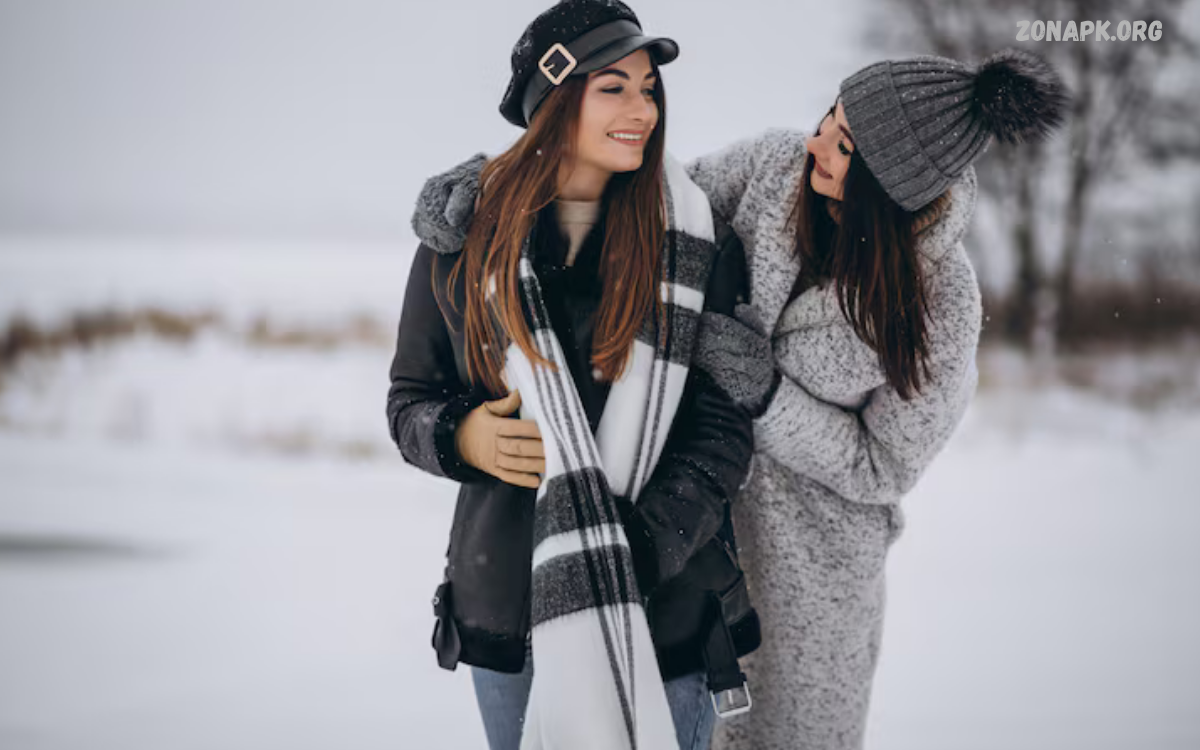
Winter fashion combines warmth, comfort, practicality, and personal style. Choosing the Best Winter Clothes for Women becomes easier when clothing works well for the weather while matching different outfits and occasions. A good winter wardrobe includes reliable coats, comfortable sweaters, warm jackets, layering pieces, trousers, boots, scarves, gloves, and other accessories that help create stylish outfits without sacrificing comfort.
Modern winter clothing offers countless designs, fabrics, colors, and fits. From classic wool coats to lightweight puffer jackets, women can choose clothing based on temperature, lifestyle, location, and personal preference. The right combination of layers can make everyday winter outfits practical while allowing plenty of room for individual fashion choices.
What Makes the Best Winter Clothes for Women?
The Best Winter Clothes for Women should provide warmth without becoming uncomfortable or difficult to wear. Fabric quality, insulation, fit, breathability, durability, and versatility are important factors when selecting winter clothing. Wool, fleece, down alternatives, insulated synthetic materials, and thermal fabrics can provide useful warmth depending on the conditions.
Versatility also matters when building a winter wardrobe. A high-quality coat can work with jeans, trousers, dresses, skirts, and casual outfits, while neutral sweaters can be combined with multiple layers. Choosing versatile pieces helps create more outfits from fewer items and makes a winter wardrobe easier to manage.
1. Wool Coats
Wool coats remain one of the most timeless choices for women during colder months. Their structured appearance makes them suitable for work, shopping, travel, dinners, and other everyday occasions. Long wool coats provide additional coverage, while shorter styles can offer easier movement and a more casual appearance.
When selecting a wool coat, consider fabric composition, lining, length, buttons, pockets, and overall fit. Neutral shades such as black, gray, camel, navy, and brown can complement many outfits. A well-designed wool coat can become one of the most useful investments in a winter wardrobe.
2. Puffer Jackets
Puffer jackets are popular because they combine warmth with a lightweight construction. Their insulated design helps retain body heat, making them useful during particularly cold weather. Short puffers work well for casual outfits, while longer versions provide additional coverage for colder days.
Modern puffer jackets come in many shapes and designs, including oversized, fitted, cropped, hooded, and long silhouettes. Women who prefer casual winter fashion can pair a puffer jacket with jeans, sweaters, sneakers, or winter boots. Longer puffers can also work well with leggings, trousers, and layered tops.
3. Winter Parkas
Winter parkas are designed for cold and potentially challenging weather conditions. Many feature insulated interiors, protective outer fabrics, adjustable hoods, deep pockets, and longer lengths. These features make parkas particularly useful for outdoor activities, commuting, travel, and everyday winter use.
A good parka should balance warmth, mobility, and weather protection. Look for practical details such as secure pockets, comfortable cuffs, a protective hood, and a durable outer layer. Neutral colors provide maximum versatility, while brighter shades can add personality to winter outfits.
4. Warm Sweaters
Sweaters are essential components of almost every winter wardrobe. They can be worn alone during mild weather or layered beneath coats and jackets when temperatures fall. Wool, cashmere, cotton blends, fleece, and other knitted materials provide different levels of warmth and comfort.
Crewneck sweaters offer a classic appearance, while turtlenecks provide additional coverage around the neck. Cardigans offer flexibility because they can be opened or removed easily as temperatures change. Oversized sweaters create a relaxed appearance, while fitted designs work well under structured coats.
5. Turtleneck Tops
Turtleneck tops provide warmth while creating a polished winter appearance. They can be worn under coats, blazers, sweaters, and dresses, making them useful layering pieces. Lightweight turtlenecks are especially practical because they provide additional warmth without creating excessive bulk.
Black, cream, gray, brown, navy, and other neutral colors can coordinate with a wide range of winter clothing. A fitted turtleneck can be paired with wide-leg trousers or jeans, while a heavier version can become the main focus of a casual winter outfit.
6. Fleece Jackets
Fleece jackets offer warmth with a soft and comfortable feel. They are useful for casual activities, outdoor walks, travel, and relaxed everyday outfits. Fleece is also convenient as a middle layer beneath a larger coat when additional insulation is needed.
Women can choose from full-zip fleece jackets, half-zip pullovers, fleece vests, and lightweight fleece layers. Neutral fleece jackets provide easy styling, while textured or contrasting designs can add visual interest to a simple winter outfit.
7. Thermal Clothing
Thermal clothing is particularly useful when temperatures become very low. Thermal tops and bottoms are designed to create an insulating layer close to the body while helping provide additional warmth underneath everyday clothing. They can be worn beneath sweaters, trousers, jeans, coats, and other winter pieces.
A comfortable thermal layer should fit well without restricting movement. Lightweight materials are often more practical because they can be worn underneath regular clothing without creating excessive bulk. Thermal clothing can be especially valuable for travel, outdoor activities, and long periods spent outside.
8. Winter Jeans and Trousers
Warm trousers are an important part of a functional winter wardrobe. Standard denim can work well during moderate winter weather, while thicker denim, lined trousers, corduroy, and wool-blend trousers can provide additional comfort during colder conditions.
Wide-leg trousers create a modern appearance and provide space for thermal layers underneath. Straight-leg jeans offer versatility and can be paired with boots, sneakers, sweaters, and coats. Corduroy trousers also bring texture and warmth to winter outfits while working well with casual and smart-casual clothing.
9. Leggings for Winter
Winter leggings can provide comfort and flexibility for casual outfits. Fleece-lined options are designed to provide additional warmth, while standard leggings can work effectively beneath oversized sweaters, long coats, and layered outfits.
Black leggings are particularly versatile because they coordinate with many colors and styles. They can be combined with long sweaters, hoodies, puffer jackets, scarves, and winter boots for a practical everyday look. Choosing a comfortable, durable fabric can improve their usefulness throughout the winter season.
10. Winter Dresses
Winter does not mean giving up dresses. Knitted dresses, sweater dresses, long-sleeve dresses, and heavier fabrics can create stylish cold-weather outfits. A winter dress can be layered with tights, boots, a coat, and a scarf for additional warmth.
Midi and maxi dresses work particularly well during colder months because they provide more coverage. Sweater dresses can create a comfortable appearance for casual outings, while structured winter dresses can be suitable for professional environments or special occasions.
11. Winter Boots
Winter boots combine functionality and style, making them one of the most important footwear choices during cold weather. Ankle boots can work with trousers, jeans, and dresses, while knee-high boots provide additional coverage and can complement skirts and longer dresses.
When selecting winter boots, consider comfort, traction, insulation, material, and weather resistance. A secure sole can provide better stability on slippery surfaces, while insulated interiors can improve comfort during cold conditions. Black and brown remain versatile choices, although other shades can create interesting seasonal outfits.
12. Chelsea Boots
Chelsea boots offer a clean and timeless appearance that works across casual and smart-casual winter outfits. Their simple silhouette makes them easy to pair with jeans, trousers, skirts, and dresses. Many designs feature elastic side panels that make them convenient to put on and remove.
For winter use, look for Chelsea boots with durable soles and materials suited to local weather conditions. A slightly thicker sole can provide additional protection from cold surfaces and wet conditions. Neutral Chelsea boots can become one of the most frequently worn pieces in a winter wardrobe.
13. Knee-High Boots
Knee-high boots provide warmth and style while offering additional coverage than ankle boots. They can be paired with dresses, skirts, leggings, and fitted trousers. Their taller silhouette can also make simple winter outfits look more polished.
Leather, synthetic leather, suede, and weather-resistant materials offer different appearances and maintenance requirements. Women who want maximum versatility can choose a simple design in black or brown. Knee-high boots can work especially well with oversized sweaters, long coats, and winter dresses.
14. Scarves
A warm scarf can provide practical protection while adding color and texture to a winter outfit. Wool, cashmere, fleece, and knitted scarves are popular choices because they offer different levels of warmth and softness.
Scarves can also transform basic outfits without requiring an entirely new wardrobe. A neutral coat can be paired with a patterned scarf for visual interest, while a simple monochrome scarf can create a refined appearance. Large scarves can also be wrapped in multiple ways for additional warmth.
15. Winter Gloves
Gloves help protect hands from cold temperatures while completing a winter outfit. Wool, fleece, leather, and insulated synthetic gloves provide different combinations of warmth, comfort, and appearance.
Touchscreen-compatible gloves can be especially convenient for everyday use because they allow users to operate compatible devices without removing their gloves. For outdoor activities, insulated and weather-resistant gloves may provide better protection than lightweight fashion gloves.
16. Winter Hats and Beanies
Beanies are practical winter accessories that can provide additional warmth around the head and ears. They are available in many colors, textures, and designs, making them easy to coordinate with different coats and scarves.
A simple knitted beanie can complement casual outfits, while structured winter hats can create a more polished appearance. Neutral colors provide flexibility, whereas brighter shades can add a seasonal accent to otherwise simple clothing.
17. Ear Warmers
Ear warmers are useful for women who want protection from cold temperatures without wearing a traditional winter hat. They are especially convenient for outdoor walks and activities where maintaining a hairstyle may be important.
Different designs range from simple fleece bands to knitted and insulated styles. Ear warmers can also be combined with scarves and coats to create a coordinated winter look.
18. Layering Shirts
Layering shirts are among the most practical pieces in a winter wardrobe. Long-sleeve tops can provide an additional layer beneath sweaters, jackets, and coats without adding excessive weight.
Neutral shades such as white, black, gray, beige, and navy can be combined with many other pieces. Layering also makes it easier to adjust clothing when moving between cold outdoor environments and warmer indoor spaces.
19. Cardigans
Cardigans provide flexibility because they can be worn open or closed depending on the temperature. They are available in lightweight knits as well as thick winter fabrics, making them suitable for different weather conditions.
A cardigan can be worn over a T-shirt, blouse, or turtleneck and underneath a coat when additional warmth is needed. Long cardigans can create relaxed outfits, while cropped or fitted versions can work well with high-waisted trousers and skirts.
20. Sherpa and Teddy Jackets
Sherpa and teddy jackets are known for their soft, textured appearance and cozy feel. They can create casual winter outfits while adding visual texture to simple clothing combinations.
These jackets work particularly well with jeans, leggings, basic tops, and casual boots. Neutral shades such as cream, beige, brown, and gray are easy to coordinate, while darker colors can create a more streamlined appearance.
How to Choose the Best Winter Clothes for Women
Choosing the right winter clothing starts with understanding the local climate and daily routine. Someone living in a mildly cool environment may need lightweight sweaters, jackets, and scarves, while someone experiencing freezing temperatures may require insulated coats, thermal layers, gloves, and winter boots.
Fabric selection is equally important. Wool provides natural warmth, fleece offers softness and insulation, and synthetic insulation can provide lightweight warmth. Weather-resistant outer layers can become useful in rainy or snowy conditions. Instead of choosing clothing based only on appearance, consider warmth, comfort, durability, movement, and how easily each piece can work with existing wardrobe items.
Best Winter Colors for Women
Winter wardrobes often include classic colors such as black, gray, navy, cream, camel, brown, and burgundy. These shades can create sophisticated outfits and are generally easy to combine. A neutral coat, for example, can work with multiple sweaters, trousers, scarves, and boots.
Color does not need to be limited to neutral shades. Deep green, red, plum, blue, and other seasonal colors can add personality to winter outfits. Accessories are an easy way to introduce stronger colors without replacing major wardrobe pieces.
How to Build a Winter Capsule Wardrobe
A winter capsule wardrobe focuses on a smaller collection of versatile clothing that can create many different outfits. A practical starting point can include one warm coat, one casual jacket, several sweaters, layering tops, comfortable trousers or jeans, winter boots, and essential accessories.
The goal is not to own the maximum number of winter clothes but to select pieces that work together. Neutral colors, compatible silhouettes, and versatile fabrics make outfit combinations easier. Adding a few distinctive accessories can then create variety without requiring a large wardrobe.
Winter Clothes for Work
Professional winter outfits can remain warm without looking overly casual. Wool coats, tailored trousers, turtlenecks, knit dresses, structured cardigans, and ankle boots can create polished combinations suitable for many workplace environments.
Layering is particularly useful for professional clothing because indoor temperatures can differ significantly from outdoor conditions. A lightweight sweater under a coat can provide warmth during commuting, while the coat can be removed indoors. Simple colors and clean silhouettes often create a professional appearance.
Winter Clothes for Casual Outfits
Casual winter fashion focuses on comfort, warmth, and easy movement. Puffer jackets, fleece jackets, hoodies, sweaters, jeans, leggings, sneakers, and winter boots can create practical everyday combinations.
Oversized sweaters can be paired with fitted trousers or leggings, while a cropped jacket can work with high-waisted jeans. Scarves, beanies, and winter boots can complete casual outfits while adding additional protection from cold temperatures.
Winter Clothes for Special Occasions
Special occasions during winter require clothing that balances elegance with warmth. Long-sleeve dresses, knitted dresses, tailored coats, boots, tights, and sophisticated accessories can create attractive cold-weather outfits.
Layering can help maintain comfort without changing the overall appearance of an outfit. A structured coat can provide warmth while maintaining a polished silhouette, while a scarf or elegant winter accessory can add a seasonal touch.
Read Also: Best Summer Clothes for Men: Complete Summer Style Guide
Sustainable Winter Clothing Choices
Sustainable winter fashion focuses on buying fewer, better-quality pieces and using them for longer. Durable coats, sweaters, boots, and accessories can reduce the need for frequent replacements. Taking proper care of clothing can also extend its useful life.
Women can consider secondhand clothing, recycled materials, responsibly produced fabrics, and timeless designs when building a winter wardrobe. Choosing versatile pieces that remain useful across multiple seasons can also reduce unnecessary consumption.
How to Care for Winter Clothes
Proper care can significantly extend the life of winter clothing. Always follow the care instructions provided by the manufacturer, particularly for wool, cashmere, leather, suede, and insulated garments. Some fabrics require gentle washing or specialized cleaning.
Winter clothing should also be stored correctly when the season ends. Clean garments before long-term storage and keep them in a dry environment with suitable protection from dust and moisture. Proper storage helps preserve fabric quality and keeps clothing ready for the following winter.
Common Mistakes When Buying Winter Clothes
One common mistake is choosing winter clothing based entirely on appearance. A stylish coat may not provide enough warmth for the local climate, while uncomfortable boots may become difficult to wear for long periods. Practical factors should always be considered alongside style.
Another mistake is buying too many similar items. A wardrobe containing multiple sweaters or jackets with nearly identical functions may provide less versatility than a smaller collection of complementary pieces. Prioritize clothing that fills different needs and works with several existing outfits.
Best Winter Clothes for Different Weather Conditions
Mild winter weather usually requires flexible layers rather than extremely heavy clothing. Lightweight sweaters, cardigans, denim jackets, medium-weight coats, scarves, and ankle boots can provide enough warmth while allowing easy adjustment throughout the day.
Colder conditions may require a more comprehensive layering system. Thermal clothing can provide a base layer, fleece or sweaters can provide insulation, and an insulated coat can serve as the outer layer. Warm socks, gloves, hats, and suitable boots can complete the outfit.
Frequently Asked Questions
What Are the Best Winter Clothes for Women?
The Best Winter Clothes for Women include wool coats, puffer jackets, sweaters, thermal tops, fleece jackets, warm trousers, winter boots, scarves, gloves, and beanies. The ideal combination depends on the weather, lifestyle, and personal style.
Which Winter Coat Is Best for Women?
Wool coats, puffer jackets, and insulated parkas are among the most useful winter coat options. Wool coats offer a classic appearance, while puffer jackets and parkas are excellent choices for colder outdoor conditions.
What Should Women Wear in Very Cold Weather?
Women can use multiple clothing layers during very cold weather. A thermal base layer, warm sweater or fleece middle layer, and insulated outer coat can provide effective protection from low temperatures.
Which Fabric Is Warmest for Winter Clothes?
Wool is widely valued for winter clothing because it provides warmth and insulation. Fleece and insulated synthetic materials are also useful options, particularly when lightweight and easy-care clothing is preferred.
Are Puffer Jackets Good for Winter?
Yes, puffer jackets can be excellent winter clothing because their insulated construction helps retain warmth. The appropriate thickness and insulation level should be selected according to the local climate and intended use.
What Should Women Wear With Winter Boots?
Winter boots can be paired with jeans, trousers, leggings, skirts, and winter dresses. Sweaters, coats, scarves, and other layers can complete the outfit while providing additional warmth.
Are Thermal Clothes Necessary in Winter?
Thermal clothing can be useful when temperatures become particularly cold or when spending extended periods outdoors. Lightweight thermal layers can provide additional warmth without adding significant bulk.
How Can Women Look Stylish in Winter?
Women can create stylish winter outfits by combining practical layers with coordinated colors and accessories. A quality coat, comfortable sweater, suitable trousers, winter boots, and a scarf can create a polished everyday look.
What Colors Are Best for Winter Clothes?
Black, gray, navy, cream, camel, brown, burgundy, and deep green are popular winter colors. Neutral shades are particularly versatile because they can be combined with different clothing and accessories.
How Many Winter Clothes Should a Woman Have?
There is no fixed number of winter clothes required. A practical wardrobe can start with a quality coat, casual jacket, several sweaters, layering tops, trousers or jeans, winter boots, and essential accessories.
What Are the Best Winter Clothes for Work?
Wool coats, tailored trousers, turtlenecks, knit dresses, cardigans, and ankle boots can create professional winter outfits. Layering allows women to remain comfortable when moving between cold outdoor and warm indoor environments.
How Can Winter Clothes Be Kept in Good Condition?
Follow the manufacturer’s care instructions for every garment. Wool, cashmere, leather, suede, and insulated clothing may require specific cleaning methods. Clean and properly store winter clothes before putting them away for the next season.
Are Oversized Sweaters Good for Winter?
Oversized sweaters can be comfortable and versatile during winter. They can be paired with leggings, jeans, trousers, or layered beneath suitable outerwear, depending on the sweater’s thickness and fit.
What Are the Best Winter Accessories for Women?
Useful winter accessories include scarves, gloves, beanies, warm socks, ear warmers, and suitable winter footwear. These accessories can improve comfort while adding color, texture, and personality to winter outfits.
How Can Women Stay Warm Without Wearing Heavy Clothes?
Layering is an effective way to stay warm without relying on one extremely heavy garment. A thermal base layer, lightweight sweater, fleece layer, and suitable outer coat can provide adjustable warmth and comfort.
Conclusion
The Best Winter Clothes for Women combine warmth, comfort, durability, versatility, and personal style. Essential pieces such as wool coats, puffer jackets, sweaters, turtlenecks, thermal layers, trousers, winter boots, scarves, gloves, and hats can create a wardrobe capable of handling different winter conditions.
Building an effective winter wardrobe does not require buying every available trend. Focus on high-quality essentials that work with multiple outfits, select fabrics according to the weather, and use accessories to add personality.

1 Comment
Pingback: Best Winter Clothes for Men: Complete Guide to Stylish Winter Fashion - Zonapk