

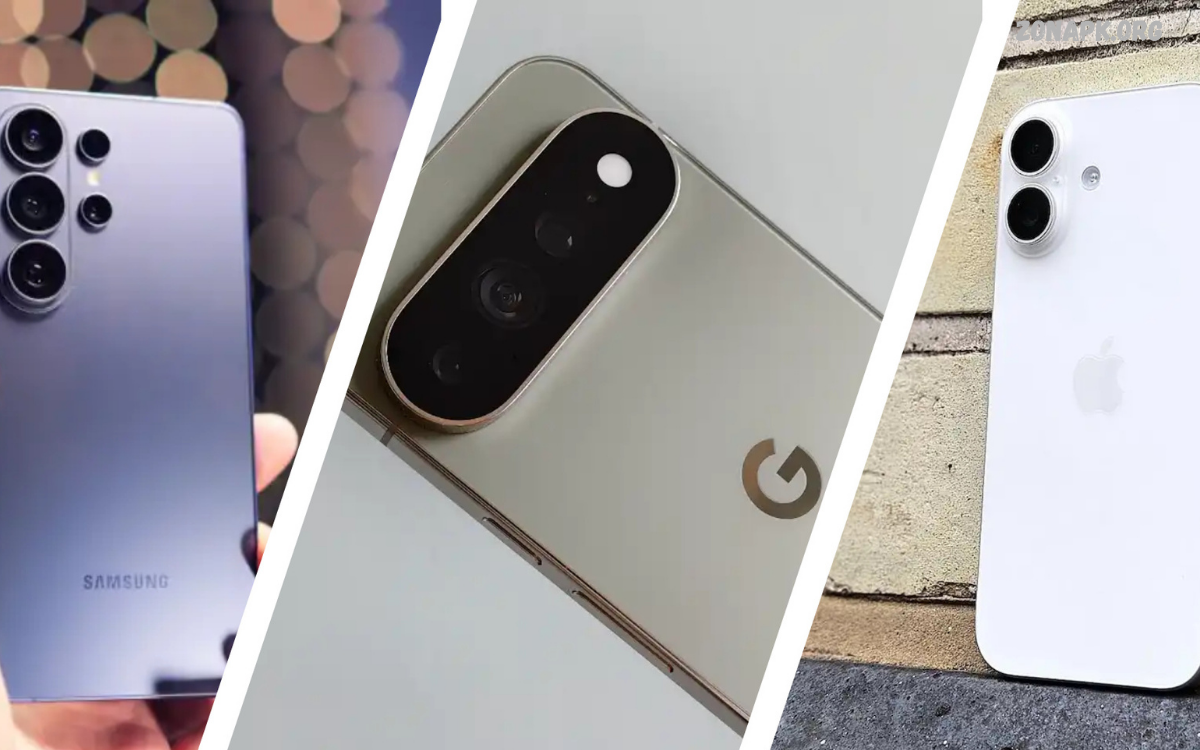
Smartphone technology is entering another major development cycle in 2026. The New Smartphones 2026 lineup focuses on artificial intelligence, stronger processors, larger batteries, advanced cameras, improved displays, foldable designs, and longer software support.
The smartphone market is also facing changing economic conditions. IDC currently forecasts a significant decline in global smartphone shipments during 2026 because of memory shortages, while average selling prices are expected to rise.
New Smartphones 2026: What Makes Them Different?
The biggest difference in the New Smartphones 2026 generation is deeper artificial intelligence integration.
IDC described MWC 2026 as a point where smartphones and other devices moved toward intelligence built into their foundations, rather than treating AI as an optional feature. This shift means future phones are increasingly designed around software, processors, and operating systems working together.
AI Features in New Smartphones 2026
AI is becoming a defining feature of the New Smartphones 2026 category. New-generation processors include dedicated neural processing capabilities that can accelerate generative AI, image processing, language functions, and other computational workloads.
Counterpoint Research forecasts that generative-AI-capable smartphones could account for 45% of global smartphone shipments in 2026, up from 36% in 2025.
New Smartphone Processors and Performance
Processor development remains important for New Smartphones 2026, especially for gaming, photography, multitasking, video editing, and AI applications.
Modern flagship processors are increasingly designed specifically for AI workloads. TechRepublic notes that next-generation mobile silicon is being developed around AI processing and improved efficiency, allowing smartphones to handle demanding photography, gaming, and video tasks more effectively.
Battery Technology Gets More Attention
Battery life is becoming a major focus in the New Smartphones 2026 generation. Manufacturers are exploring higher-density battery technologies, including silicon-carbon cells, to increase capacity without making smartphones excessively thick.
Silicon-carbon technology has received growing attention because it can provide higher energy density than conventional lithium-ion designs.
Faster Charging and Better Power Management
Fast charging continues to develop across the New Smartphones 2026 market. Higher charging speeds can reduce the time needed to restore battery capacity, while improved power management can help devices use energy more efficiently throughout the day.
Battery improvements are not limited to charging speed. Efficient processors, adaptive refresh rates, intelligent background management, and AI-assisted power optimization can reduce unnecessary energy consumption.
Advanced Camera Technology
Camera systems remain a central feature of New Smartphones 2026 devices. Manufacturers are improving sensors, image processing, optical stabilization, telephoto systems, and computational photography.
High-end smartphones are increasingly approaching dedicated-camera functionality in selected areas. Advanced telephoto systems, larger sensors, improved computational photography, and professional video tools can give users greater creative flexibility.
Display Technology in New Smartphones 2026
Display quality continues to evolve across the New Smartphones 2026 segment. High refresh rates, improved brightness, better outdoor visibility, adaptive refresh technology, stronger glass, and more accurate color reproduction are becoming increasingly common.
Privacy-focused display technology is another notable development. TechRepublic reported that Samsung’s Galaxy S26 Ultra introduced a built-in Privacy Display designed to limit side-angle visibility.
Foldable Phones Enter a New Phase
Foldable devices remain one of the most distinctive areas within New Smartphones 2026. Manufacturers are working toward thinner bodies, stronger hinges, larger usable displays, improved battery efficiency, and better software experiences.
Foldables are still a smaller part of the overall smartphone market, but their strategic importance continues to increase. IDC forecasts foldable smartphone shipments to grow 12.6% year over year in 2026, even while the broader smartphone market contracts.
Software and Long-Term Updates
Software support has become an increasingly important consideration when evaluating New Smartphones 2026. A powerful processor and advanced camera system are useful, but long-term operating-system updates and security support can affect ownership just as much.
Longer update policies can also extend a smartphone’s useful life. Users who keep devices for several years can benefit from security improvements, new operating-system features, application compatibility, and improved system functionality.
Connectivity and Mobile Experience
Connectivity remains a fundamental part of the New Smartphones 2026 experience. Modern devices increasingly combine advanced cellular standards with Wi-Fi improvements, Bluetooth development, satellite-related capabilities on selected models, and stronger integration with connected accessories.
Connectivity improvements also support cloud gaming, high-resolution streaming, video calls, smart-home control, and rapid file transfers. However, real-world performance depends on network availability, regional infrastructure, carrier support, and environmental conditions.
New Smartphones 2026 for Gaming
Gaming performance is another major focus for New Smartphones 2026. High-performance processors, advanced GPUs, faster displays, improved cooling systems, and larger batteries allow smartphones to handle increasingly demanding games.
For everyday users, sustained performance can be more important than short benchmark results. A phone that maintains stable performance while controlling heat and battery consumption can provide a better long-term gaming experience.
Design and Build Quality
Smartphone design is becoming more refined in 2026. Manufacturers are experimenting with slimmer bodies, stronger materials, redesigned camera modules, lighter construction, and foldable form factors.
Build quality also influences long-term ownership. Water and dust resistance, stronger glass, reinforced frames, improved hinges, and repair-friendly construction can make devices more practical. Buyers should therefore consider durability alongside specifications when evaluating a new smartphone.
Privacy and Security Improvements
Privacy is becoming increasingly important as smartphones gain more AI capabilities. New devices can process more personal information, including photos, messages, documents, voice commands, and contextual data.
On-device processing can provide potential privacy advantages for certain AI tasks because information may not need to leave the phone for every operation. However, privacy depends on implementation, permissions, software policies, and data practices.
New Smartphones 2026 and Smartphone Pricing
Pricing is an important consideration across the New Smartphones 2026 market. Higher component costs are pressuring the industry, especially as memory has become more expensive.
For buyers, this means considering specifications alongside total value. A moderately priced smartphone with strong software support, reliable cameras, efficient performance, and a capable battery may offer a more practical ownership experience than a premium model packed with features a user rarely needs.
Read Also: Ku88 – Trải Nghiệm Giải Trí Trực Tuyến Qua Giao Diện Gọn Gàng
New Smartphones 2026 in the Mid-Range Market
The mid-range smartphone segment remains important because many consumers want modern features without flagship pricing.
Competition is also moving beyond simple specifications. Recent market analysis indicates that consumers increasingly consider camera quality, software experience, design, after-sales service, and financing options when choosing mid-range smartphones.
New Smartphones 2026 for Photography
Photography-focused smartphones are becoming more sophisticated through improved sensors and computational imaging.
Photography enthusiasts should look beyond megapixel counts. Sensor size, optical stabilization, lens quality, telephoto capability, image processing, video stabilization, and camera software all influence results.
New Smartphones 2026 for Everyday Users
Everyday smartphone users generally need a balanced combination of battery life, performance, camera quality, display comfort, durability, and reliable software.
A practical buying approach is to identify essential features before comparing models. Someone who mainly uses social media may prioritize display quality and battery life, while a photographer may need stronger cameras. A gamer may focus on processor performance, cooling, and display response.
Sustainability and Repairability
Sustainability is becoming more relevant in smartphone design. Manufacturers are exploring recycled materials, longer software support, improved repairability, and more efficient manufacturing processes. These changes can reduce the environmental impact of frequent smartphone replacements.
Longer device lifespans can also reduce electronic waste. A smartphone that receives software updates for several years and has replaceable or repairable components can remain useful longer.
What to Check Before Buying a New Smartphone
Before buying one of the New Smartphones 2026 models, check processor performance, RAM, storage, battery capacity, charging support, display specifications, camera hardware, software-update policy, and network compatibility. Consider these specifications together rather than separately.
Also compare price with long-term usability. A phone offering slightly lower peak performance but better battery life, longer software support, reliable cameras, and durable construction may suit some users better. Personal requirements should guide the final selection rather than specifications alone.
Future Direction of New Smartphones 2026
The direction of New Smartphones 2026 shows that manufacturers are moving toward intelligent, connected, efficient devices.
The smartphone is also becoming part of a broader technology ecosystem. Phones increasingly communicate with watches, earbuds, computers, cars, smart-home products, and AI-powered services.
Frequently Asked Questions
What are New Smartphones 2026?
New Smartphones 2026 refers to smartphone models released or introduced during 2026. These devices generally focus on AI capabilities, faster processors, improved cameras, larger batteries, advanced displays, connectivity, and software improvements.
What is the biggest smartphone trend in 2026?
Artificial intelligence is one of the most significant smartphone trends in 2026. Manufacturers are integrating AI more deeply into processors, operating systems, cameras, assistants, and productivity features.
Are New Smartphones 2026 better for AI?
Many 2026 smartphones are designed with stronger AI processing capabilities. Dedicated neural-processing hardware can support tasks such as image enhancement, translation, summarization, voice functions, and generative AI.
Will smartphones have bigger batteries in 2026?
Many smartphone manufacturers are increasing battery capacity, while silicon-carbon technology is helping some companies create higher-density battery designs. This allows manufacturers to pursue longer endurance without proportionally increasing device thickness.
Are foldable smartphones becoming more popular?
Foldable smartphones remain a smaller category than traditional phones, but the segment continues to receive major investment. IDC forecasts foldable shipments to grow during 2026 despite an overall decline in smartphone shipments.
What should buyers look for in New Smartphones 2026?
Buyers should consider processor efficiency, battery life, display quality, camera performance, storage, software support, durability, charging technology, connectivity, and total price.
Will smartphone prices increase in 2026?
Pricing pressure is significant during 2026 because memory shortages and component costs are affecting manufacturers. IDC expects smartphone average selling prices to rise substantially while worldwide shipments decline.
Are smartphone cameras improving in 2026?
Yes, camera development continues through better sensors, computational photography, optical stabilization, telephoto systems, and AI-assisted processing. Manufacturers are focusing increasingly on complete imaging systems rather than megapixel counts alone.
How long should a New Smartphones 2026 device last?
A modern smartphone can remain useful for several years with regular security and operating-system updates and proper maintenance. Hardware performance, battery condition, repair options, and software support all influence longevity.
Are New Smartphones in 2026 more secure?
Modern smartphones continue to introduce stronger security features, privacy controls, biometric authentication, encryption, and improved software protections. AI-related features are also increasing the importance of privacy controls.
Conclusion
The New Smartphones 2026 generation marks a shift from conventional hardware upgrades to smarter, more integrated mobile experiences.
At the same time, higher component costs and changing market conditions are affecting prices and availability.

1 Comment
Pingback: Smartphone Features: Key Technologies Shaping Modern Devices - Zonapk