

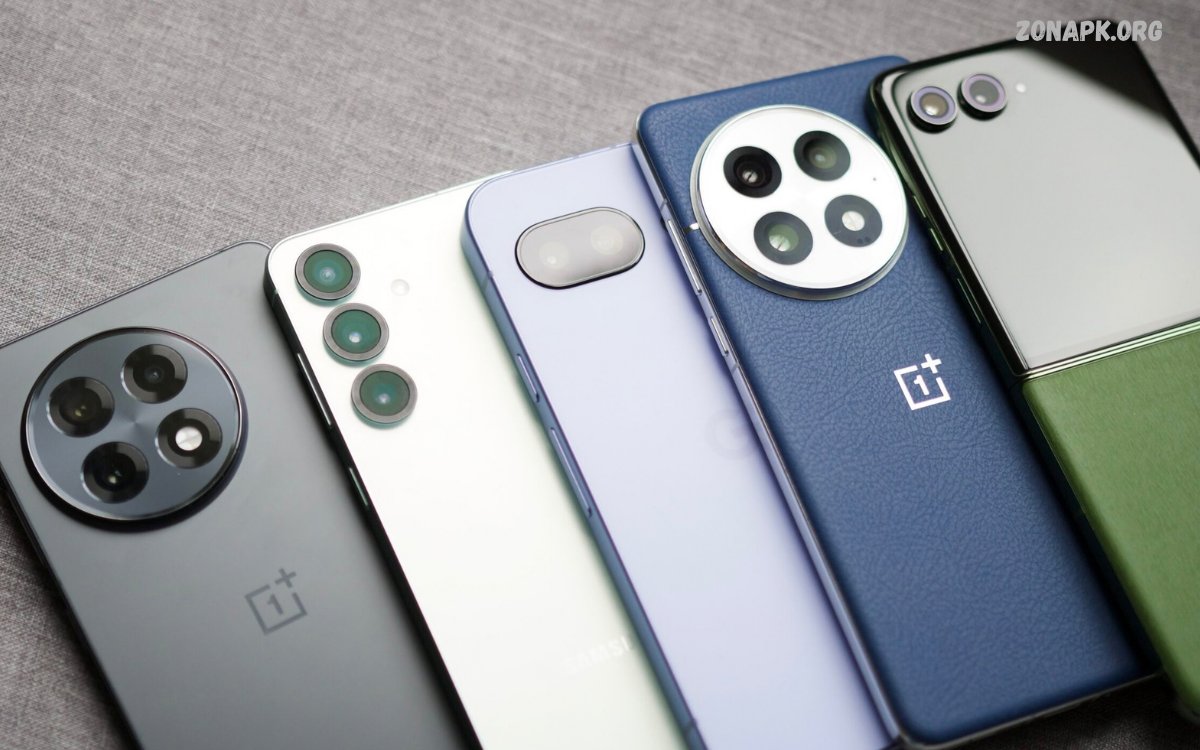
Smartphones have evolved from simple communication devices into powerful digital platforms that support work, entertainment, photography, gaming, communication, and everyday productivity.
From high-resolution displays to AI-powered tools, smartphone technology continues to change rapidly. Understanding key smartphone features helps users compare devices, identify useful capabilities, and choose technology that matches their everyday needs.
What Are Smartphone Features?
Smartphone Features refer to the hardware capabilities, software tools, connectivity options, security systems, and performance technologies included in a smartphone.
Modern smartphones include processors, cameras, displays, batteries, sensors, operating systems, and wireless technologies working together. Each component contributes to the overall user experience and determines how smoothly a smartphone performs different tasks.
Display Technology
The display remains one of the most important Smartphone Features because users interact with their phones primarily through the screen. Modern devices may offer OLED, AMOLED, LTPO, or other advanced display technologies designed to provide detailed visuals and improved viewing quality.
Higher refresh rates can make scrolling, animations, gaming, and supported applications feel smoother. Brightness, resolution, color reproduction, touch responsiveness, and adaptive refresh technology also influence how comfortable a display feels during everyday use.
High Refresh Rate Screens
High refresh rate displays have become common across many smartphone categories. A higher refresh rate lets the screen update more often, creating smoother motion during scrolling, animations, gaming, and compatible apps.
Some smartphones use adaptive refresh technology that automatically adjusts the refresh rate based on on-screen activity. This approach provides smooth visuals when needed while reducing unnecessary power consumption during less demanding tasks.
Smartphone Camera Features
Camera technology represents another major area of Smartphone Features. Modern smartphones can include multiple rear cameras, advanced image processing, optical stabilization, computational photography, portrait modes, night photography, and high-resolution sensors.
Camera quality depends on more than megapixel numbers. Sensor size, lens quality, stabilization, software processing, autofocus performance, dynamic range, and lighting conditions all influence final image quality and determine how useful a smartphone camera becomes.
AI-Powered Photography
Artificial intelligence has become an important part of smartphone photography. AI-based systems can recognize scenes, improve exposure, reduce noise, enhance details, and optimize photos for different environments.
AI editing tools can also support object removal, background adjustments, image enhancement, and other creative functions. These capabilities let users make advanced edits directly on a smartphone without relying entirely on desktop software.
Video Recording Capabilities
Modern smartphones offer advanced video recording features for everyday creators and professional-looking content. Depending on the device, users may receive high-resolution recording, stabilization, slow motion, time-lapse, cinematic effects, and improved audio capture.
Video performance depends on camera hardware, processing power, storage capacity, stabilization technology, and software optimization. Content-creation devices may offer additional controls for exposure, focus, frame rates, and recording formats.
Smartphone Performance
Performance is one of the most important Smartphone Features for users who run demanding applications, play games, edit media, or multitask frequently. Modern processors combine multiple CPU cores with graphics and AI processing capabilities.
RAM also affects multitasking by keeping applications available in memory. Storage technology influences application loading, file transfers, system responsiveness, and overall device performance, making both processor and memory specifications important.
Processor Technology
Smartphone processors have become increasingly powerful while improving energy efficiency. Modern chipsets integrate CPU, GPU, AI processing, image processing, connectivity, and other components into highly optimized platforms.
Consider processor performance alongside thermal management and software optimization. A powerful chipset can deliver excellent performance, but efficient software and effective heat management are also essential for maintaining consistent operation during demanding workloads.
Gaming Features
Gaming-focused Smartphone Features can include high refresh-rate displays, powerful graphics processors, improved touch sampling, advanced cooling systems, stereo speakers, and gaming optimization software.
Performance stability matters during extended gaming sessions. Effective thermal management can help maintain consistent performance, while larger batteries and fast charging technologies can support longer periods of intensive use.
Battery Life
Battery performance is another essential smartphone consideration. Battery capacity is commonly measured in milliampere-hours, but actual battery life depends on display settings, processor efficiency, network connectivity, application activity, and software optimization.
Modern smartphones increasingly use intelligent power management to reduce unnecessary background activity. Adaptive battery systems can help prioritize frequently used applications while limiting power consumption from less important processes.
Fast Charging Technology
Fast charging has become one of the most convenient smartphone features on modern devices. It lets compatible smartphones restore a significant amount of battery capacity in a relatively short time.
Charging speed depends on the phone, charger, cable, battery design, temperature, and charging technology. Users should follow manufacturer recommendations and use compatible charging accessories to maintain safe and reliable charging performance.
Wireless Charging
Wireless charging provides an alternative to traditional wired charging. Compatible smartphones can receive power through a charging pad or compatible wireless accessory without a physical charging connection.
Some advanced systems support faster wireless charging speeds and accessory ecosystems. Wireless charging can be especially convenient on desks, bedside tables, in vehicles, and other places where users often place their smartphones.
Smartphone Security
Security has become a fundamental part of modern Smartphone Features. Smartphones can use fingerprint recognition, facial authentication, secure lock screens, encryption, application permissions, and hardware-backed security technologies.
Software updates also play an important role in maintaining security. Regular updates can address vulnerabilities, improve system protection, and introduce additional security controls that help protect personal information and digital accounts.
Biometric Authentication
Biometric authentication allows users to unlock devices or authorize certain actions using physical characteristics. Fingerprint sensors and facial recognition are common examples found across different smartphone models.
Biometric systems provide convenient access while reducing reliance on manually entering passwords for every interaction. Users should still maintain a strong device passcode because biometric authentication may sometimes require an additional security method.
Privacy Features
Privacy tools help users control how applications access personal information. Modern smartphones may provide controls for location, camera, microphone, contacts, photos, notifications, and other sensitive permissions.
Permission management lets users review app access and restrict unnecessary permissions. Privacy dashboards and system indicators can also provide greater visibility into how applications interact with device resources.
Connectivity Features
Connectivity is another major category of Smartphone Features. Modern devices can support cellular networks, Wi-Fi, Bluetooth, NFC, GPS, and other wireless technologies that connect smartphones with networks, accessories, vehicles, payment systems, and smart devices.
Network technology continues to improve with newer cellular generations and Wi-Fi standards. Faster connectivity can improve downloads, streaming, cloud services, online gaming, video calls, and other connected experiences.
5G Connectivity
5G technology provides smartphones with access to newer cellular networks designed to deliver high data speeds, improved responsiveness, and greater network capacity in supported locations.
Actual 5G performance depends on network availability, carrier infrastructure, spectrum, device compatibility, signal conditions, and local network traffic. Users should therefore consider network coverage alongside smartphone specifications.
Wi-Fi Technology
Modern smartphones support increasingly advanced Wi-Fi standards that can improve wireless performance under compatible network conditions. Newer standards can provide better efficiency, capacity, responsiveness, and performance across supported devices.
Wi-Fi performance also depends on the router, network configuration, distance, interference, internet connection, and number of connected devices. A smartphone with advanced Wi-Fi hardware still needs a compatible network environment to reach its full potential.
Bluetooth Features
Bluetooth lets smartphones connect to wireless headphones, speakers, keyboards, watches, vehicles, controllers, and other accessories. Newer Bluetooth technologies can improve connection efficiency, range, power management, and supported functionality.
Bluetooth has become an essential part of modern mobile ecosystems. Users can connect multiple types of accessories while reducing dependence on physical cables for everyday device communication.
NFC Technology
Near Field Communication, commonly known as NFC, enables short-range wireless communication between compatible devices. It supports contactless payments, device pairing, access systems, and digital identification in supported environments.
NFC operates over a very short distance, enabling convenient interaction with compatible services. Availability varies according to smartphone model, region, operating system, financial institution, and service provider.
GPS and Location Services
Location technology is another useful part of modern Smartphone Features. GPS and related positioning systems help smartphones provide navigation, location-based applications, maps, transportation information, and other services.
Modern smartphones can combine satellite positioning with cellular and Wi-Fi information to improve location accuracy. Users can manage location permissions to control which apps can access positioning information.
Storage Options
Storage determines how much information a smartphone can hold. Applications, photographs, videos, documents, games, downloads, and system files all require storage space.
Modern smartphones commonly use fast internal storage technologies that improve application loading and file access. Users who capture many videos or install demanding games may benefit from a device with greater storage capacity.
Expandable Storage
Some smartphones support removable memory cards, while others rely entirely on internal storage or cloud services. Expandable storage can provide additional space for compatible devices without replacing the smartphone.
However, memory card support varies significantly between manufacturers and models. Users should check official device specifications before purchasing external storage for a particular smartphone.
Audio Features
Audio quality has become an important component of the smartphone experience. Modern devices may include stereo speakers, spatial audio technologies, advanced microphones, noise reduction, and wireless audio support.
High-quality audio can improve music playback, video viewing, gaming, calls, and content creation. Microphone technology is especially important for users who frequently record videos, participate in meetings, or create social media content.
Software Experience
Hardware alone does not determine smartphone quality. The operating system and software ecosystem influence usability, performance, security, customization, application compatibility, and update availability.
Modern operating systems provide features such as multitasking, widgets, notification management, privacy controls, accessibility tools, digital wellbeing options, and intelligent assistance. Software design can significantly influence the daily smartphone experience.
AI Smartphone Features
AI is becoming one of the most visible areas of smartphone innovation. AI-powered Smartphone Features can assist with writing, translation, image editing, search, transcription, summarization, photography, voice interaction, and personalized recommendations.
Some AI functions operate directly on the device, while others may depend on cloud processing. On-device AI can provide faster responses and improved privacy for certain tasks, while cloud-based systems can provide access to more computational resources.
Read Also: New Smartphones 2026: Latest Features, Trends, Cameras, AI and Buying Guide
On-Device AI Processing
On-device AI lets compatible smartphones run certain intelligent functions locally. Specialized neural processing hardware can perform tasks involving images, audio, language, and other data without always sending information to remote servers.
Local processing can reduce latency for supported functions and may provide benefits in areas with limited connectivity. However, capabilities vary by processor, operating system, application, and smartphone model.
Voice Assistant Features
Voice assistants allow users to interact with smartphones using spoken commands. Depending on the platform, they can support tasks such as reminders, searches, navigation, communication, device controls, and information requests.
Voice recognition technology continues to improve through advanced language processing and AI. Microphone quality, internet connectivity, language support, and device software can influence the accuracy and available functionality.
Multitasking Features
Multitasking allows users to work with multiple applications or activities efficiently. Modern smartphones may support split-screen views, floating windows, picture-in-picture modes, app switching, and other productivity functions.
Large displays and advanced processors make multitasking more practical on many devices. These features can benefit students, professionals, content creators, and users who frequently switch between applications.
Foldable Smartphone Features
Foldable smartphones introduce a different approach to mobile design. Flexible displays allow some devices to transform between compact smartphone configurations and larger screen formats.
Foldable designs can provide additional screen space for multitasking, media consumption, reading, and productivity. Durability, hinge design, thickness, weight, battery capacity, and software optimization remain important considerations for this category.
Durability Features
Durability is an important consideration when evaluating Smartphone Features. Many modern smartphones use reinforced glass, metal or composite frames, water resistance, dust resistance, and structural improvements designed to protect internal components.
Protection levels differ between models, so users should review the manufacturer’s specifications rather than assuming every smartphone provides identical protection. Cases and screen protectors can provide additional physical protection.
Accessibility Features
Accessibility technologies make smartphones easier to use for people with different needs. Common tools include screen readers, magnification, larger text, hearing assistance, voice controls, captions, color adjustments, and touch accommodations.
Accessibility has become increasingly integrated into modern operating systems. These tools can improve smartphone usability and let users customize interaction methods to their preferences.
Software Updates
Software updates can introduce new Smartphone Features, improve performance, fix bugs, and address security vulnerabilities. Long-term update support has therefore become an important factor when comparing smartphones.
Update policies differ by manufacturer and device category. Users considering a new smartphone should check how long the manufacturer expects to provide operating system and security updates.
Cloud Integration
Cloud integration allows smartphones to synchronize information across devices and services. Compatible cloud platforms can store or sync photos, documents, contacts, settings, notes, and app data.
Cloud services can make device replacement and data recovery more convenient. Users should review sync settings and account security to keep important information protected.
Smart Ecosystem Features
Smartphones increasingly operate as central devices within larger technology ecosystems. They can connect with smartwatches, earbuds, tablets, computers, televisions, vehicles, and smart-home products.
Cross-device features may let users share files, sync notifications, continue activities across devices, control accessories, and transfer information. Compatibility varies by operating system and manufacturer.
Smartphone Design
Design influences both appearance and usability. Modern smartphones use different materials, camera layouts, display shapes, frame designs, thicknesses, and weight distributions to create distinctive experiences.
Ergonomics also matter because smartphones are used for extended periods. Button placement, grip, weight, dimensions, display size, and surface texture can affect everyday comfort and handling.
Smartphone Features for Productivity
Productivity-focused Smartphone Features include document editing, cloud storage, email integration, video conferencing, note-taking, calendar tools, scanning, file management, and multitasking.
Modern processors allow many smartphones to handle tasks that once required computers. External keyboards, displays, styluses, and other accessories can further expand productivity capabilities on compatible devices.
Smartphone Features for Content Creators
Content creators can benefit from advanced cameras, microphones, displays, editing tools, storage, connectivity, and processing capabilities. Modern smartphones can capture, edit, and publish content using a single device.
AI-powered editing can simplify tasks such as image enhancement, background adjustments, transcription, and video improvements. Storage capacity and battery performance are particularly important for users who create large amounts of media.
Smartphone Features for Students
Students can use smartphones for research, communication, note-taking, educational applications, document management, online classes, and productivity. Large displays and efficient multitasking can make educational tasks easier.
Accessibility tools, cloud synchronization, voice recording, scanning, and digital organization can further support academic workflows. The usefulness of these tools depends on software availability and individual study requirements.
Future Smartphone Features
Future Smartphone Features are likely to focus increasingly on artificial intelligence, energy efficiency, advanced displays, improved cameras, stronger connectivity, and deeper integration with connected devices.
Smartphones may also become more context-aware, letting software automate routine tasks while offering greater personalization. Progress will depend on advances in processors, battery technology, software development, privacy systems, and network infrastructure.
How to Choose the Right Smartphone Features
Choosing the right Smartphone Features starts with identifying personal priorities. Users who take many photographs may focus on camera technology, while gamers may prioritize processing performance, cooling, display refresh rate, and battery capacity.
Other users may place greater importance on software updates, security, storage, connectivity, durability, or productivity tools. Comparing specifications with actual usage needs offers a more practical way to evaluate smartphone capabilities.
Frequently Asked Questions
What are the most important Smartphone Features?
The most important Smartphone Features depend on individual usage. Common priorities include processor performance, display quality, camera capabilities, battery life, charging speed, storage, connectivity, security, software support, and durability.
How does AI improve Smartphone Features?
AI can improve photography, writing, translation, search, voice interaction, image editing, transcription, personalization, and other smartphone functions. Available capabilities vary according to hardware, software, region, and application support.
Why is battery life important in smartphones?
Battery life determines how long a smartphone can operate between charging sessions. Display technology, processor efficiency, network activity, application usage, battery capacity, and software optimization all influence real-world battery performance.
Are camera megapixels the most important factor?
Megapixels are only one part of smartphone camera performance. Sensor size, lens quality, stabilization, image processing, autofocus, dynamic range, and software optimization can also significantly affect photographs and videos.
What makes a smartphone good for gaming?
Gaming smartphones benefit from powerful processors, capable graphics hardware, high-refresh-rate displays, effective cooling, responsive touch systems, quality audio, and sufficient battery capacity. Software optimization can also influence gaming performance.
Why are software updates important?
Software updates can introduce new capabilities, improve compatibility, fix problems, and address security vulnerabilities. Long-term update support can therefore improve a smartphone’s usefulness and security over time.
What is the role of 5G in smartphones?
5G provides access to compatible cellular networks with potentially higher speeds, lower latency, and greater network capacity. Actual performance depends on local coverage, carrier infrastructure, spectrum, signal conditions, and network traffic.
What are the benefits of NFC?
NFC enables short-range communication between compatible devices. It can support contactless payments, accessory pairing, access systems, digital identification, and other supported services.
Are foldable smartphones different from regular smartphones?
Foldable smartphones use flexible display technology to provide different physical configurations. Depending on the design, they can offer larger screens, compact folded dimensions, or enhanced multitasking capabilities.
How do privacy features protect smartphone users?
Privacy features let users manage app permissions and control access to sensitive resources such as location, cameras, microphones, contacts, and photos. Security updates and device encryption provide additional layers of protection.
What Smartphone Features help with productivity?
Productivity-focused features include multitasking, document editing, cloud synchronization, note-taking, file management, scanning, video conferencing, voice tools, and compatibility with external accessories.
Will Smartphone Features continue improving?
Smartphone technology is expected to continue evolving through advances in AI, processors, cameras, displays, batteries, connectivity, security, and software. Future developments will depend on technological progress and changing user requirements.
Conclusion
Smartphone Features determine how effectively a device supports everyday digital activities. A balanced combination of performance, display quality, camera technology, battery life, security, connectivity, and software can create a dependable mobile experience.
Technology continues to advance, making smartphones increasingly capable and versatile. Understanding individual features helps users recognize meaningful improvements and select devices based on practical needs rather than specifications alone.

1 Comment
Pingback: Laptop Technology: A Complete Guide to Modern Innovations - Zonapk