
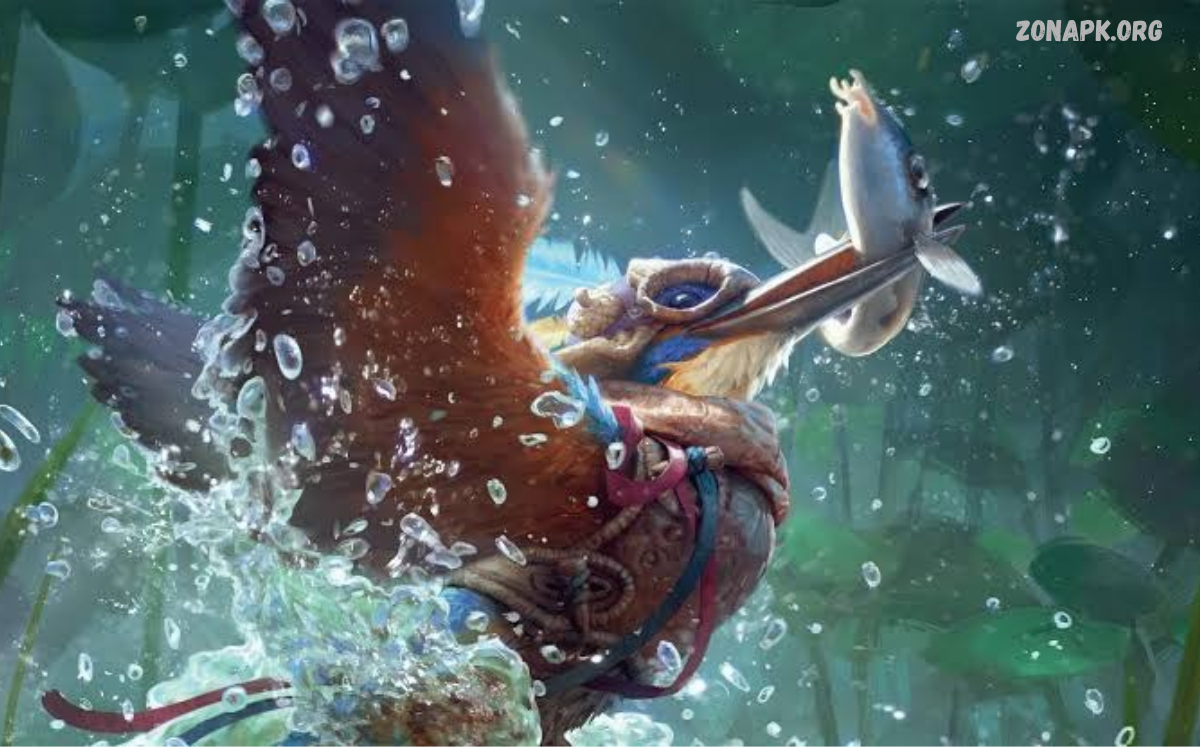
Digital art inspiration helps artists transform imagination into beautiful visual creations. From colorful illustrations to realistic portraits, digital tools offer endless opportunities for creativity, experimentation, and artistic growth.
Finding digital art inspiration can sometimes feel challenging. Exploring new styles, studying creative techniques, and observing everyday surroundings can help artists discover fresh ideas and develop their unique artistic identities.
What Is Digital Art Inspiration?
Digital art inspiration refers to ideas, experiences, images, and emotions that motivate artists to create artwork using digital tools. Artists use tablets, computers, drawing applications, and graphic design software to turn concepts into visual masterpieces.
Digital art inspiration comes from nature, architecture, photography, music, films, and personal experiences. These influences help artists experiment with colors, textures, compositions, and visual storytelling while developing original creative concepts.
Best Sources of Digital Art Inspiration
Nature provides endless digital art inspiration through landscapes, flowers, animals, clouds, mountains, and ocean views. Observing natural colors, lighting, and patterns helps artists create attractive illustrations, fantasy environments, and realistic digital paintings.
Photography, movies, books, and online art galleries also offer valuable creative references. Studying different compositions and artistic techniques helps artists understand visual storytelling while discovering new approaches to their own digital artwork.
Nature-Inspired Digital Art Ideas
Nature-inspired digital art combines organic shapes, natural textures, and beautiful color palettes. Artists can create botanical illustrations, forest landscapes, wildlife portraits, underwater scenes, and imaginative environments inspired by the natural world.
Seasonal changes offer additional creative possibilities for digital artists. Spring flowers, summer sunsets, autumn leaves, and winter landscapes provide distinctive colors and moods that can inspire memorable digital paintings and illustrations.
Fantasy Digital Art Inspiration
Fantasy digital art allows artists to explore imaginary worlds filled with magical creatures, enchanted forests, floating islands, and mysterious landscapes. These imaginative concepts encourage experimentation with unusual shapes, dramatic lighting, and vibrant color combinations.
Artists can develop original fantasy characters, magical weapons, mythical creatures, and futuristic kingdoms. Combining realistic textures with imaginative elements creates visually engaging artwork that communicates stories, emotions, and fictional experiences.
Minimalist Digital Art Ideas
Minimalist digital art focuses on simplicity, balanced composition, and carefully selected visual elements. Artists use clean lines, limited colors, geometric shapes, and negative space to communicate ideas without unnecessary complexity.
This artistic style works well for posters, digital illustrations, wallpapers, logos, and social media graphics. Minimalist designs help artists strengthen their composition skills while creating modern artwork with clear visual messages.
Abstract Digital Art Inspiration
Abstract digital art explores shapes, colors, patterns, textures, and movement without requiring realistic subjects. Artists can experiment with geometric forms, flowing lines, layered gradients, and unexpected combinations to develop distinctive visual compositions.
Music, emotions, and personal experiences often inspire abstract artwork. Digital brushes, blending modes, and texture effects allow artists to transform feelings into expressive images that communicate meaning through color and movement.
Portrait Digital Art Inspiration
Digital portraits help artists explore facial expressions, personality, lighting, and human emotions. Creative portrait ideas include realistic character studies, stylized illustrations, expressive sketches, and imaginative character designs inspired by everyday life.
Artists can experiment with different brushes, shading methods, and color palettes to develop distinctive portrait styles. Studying facial anatomy, proportions, and lighting also improves artistic accuracy and helps create more convincing digital characters.
Digital Landscape Art Inspiration
Digital landscapes allow artists to recreate real environments or invent entirely fictional worlds. Mountains, rivers, city skylines, coastal scenes, and peaceful countryside views provide excellent subjects for developing composition and atmospheric perspective.
Lighting plays an important role in landscape artwork. Sunrise, sunset, fog, moonlight, and dramatic storm clouds create different moods while helping artists practice depth, contrast, and environmental storytelling.
Color Palettes for Digital Art
Color palettes influence the mood, atmosphere, and emotional impact of digital artwork. Warm colors can communicate energy and excitement, while cooler shades often create peaceful, mysterious, or reflective visual experiences.
Artists can explore complementary colors, monochromatic schemes, pastel combinations, and bold contrasts. Studying color relationships helps create harmonious illustrations and makes important visual elements stand out naturally.
Digital Art Inspiration Through Typography
Typography offers creative opportunities for artists interested in lettering, posters, branding, and editorial design. Combining expressive fonts, decorative elements, and carefully arranged text can transform simple messages into attractive visual compositions.
Hand lettering and experimental typography encourage artists to explore shapes, spacing, and visual rhythm. These techniques work especially well for digital posters, motivational graphics, album artwork, and creative social media designs.
Popular Digital Art Styles and Trends
Digital art includes numerous styles, such as anime, realism, pixel art, surrealism, concept art, and vector illustration. Exploring different approaches helps artists understand their preferences and discover techniques that support their creative goals.
Emerging design trends often introduce new combinations of traditional artistic methods and digital effects. Artists can study these trends for inspiration while developing original concepts instead of copying existing artwork or relying entirely on popular styles.
Best Digital Tools for Creative Artists
Digital drawing applications provide brushes, layers, selection tools, blending options, and other features that simplify the creative process. Popular choices include Adobe Photoshop, Procreate, Krita, Clip Studio Paint, and Adobe Illustrator.
Each application offers different advantages depending on the artist’s goals. Some programs specialize in painting and illustration, while others focus on vector graphics, photo manipulation, animation, or professional graphic design.
How to Find Digital Art Inspiration Every Day
Building a daily inspiration routine helps artists maintain creative momentum. Observing surroundings, collecting interesting photographs, exploring color combinations, and keeping a sketchbook can provide a reliable source of new concepts.
Artists can also explore museums, creative communities, design publications, and public art collections. Regular exposure to different artistic approaches encourages experimentation and helps transform ordinary observations into meaningful digital artwork.
Using Reference Images for Digital Art
Reference images help artists understand anatomy, lighting, perspective, textures, and object proportions. Photographs and observation sketches provide useful guidance when creating realistic subjects or designing complex environments.
References should support artistic understanding rather than replace original thinking. Combining several references, changing compositions, and introducing personal ideas helps artists produce distinctive artwork while respecting the rights of photographers and other creators.
Developing a Unique Digital Art Style
A personal artistic style develops through consistent practice, experimentation, and thoughtful creative decisions. Exploring different brushes, line qualities, color palettes, and compositions helps artists identify visual elements that make their work recognizable.
Artists should allow their styles to evolve naturally instead of forcing immediate originality. Reviewing previous projects, studying personal strengths, and experimenting with unfamiliar techniques can gradually create a more confident and consistent artistic identity.
Common Digital Art Challenges
Creative blocks, technical difficulties, and uncertainty about artistic direction can interrupt the digital art process. Starting with simple sketches, setting manageable goals, and experimenting without demanding perfection can make creative work feel more approachable.
Comparing personal progress with highly experienced artists may also reduce motivation. Focusing on individual improvement, learning new techniques, and completing small projects encourages steady development and builds confidence over time.
Read Also: Unique Photography Artwork: Ideas for Creative Inspiration
Digital Art Inspiration for Beginners
Beginners can start with simple subjects, including household objects, plants, landscapes, and basic character sketches. These projects help develop essential skills such as line control, color selection, shading, and composition without creating unnecessary pressure.
Short daily drawing sessions can gradually improve confidence and consistency. Saving sketches, reviewing completed projects, and experimenting with different digital tools also helps beginners recognize progress and identify useful areas for improvement.
How to Build a Digital Art Portfolio
A digital art portfolio showcases artistic abilities, creative interests, and technical development. Selecting strong projects that demonstrate different skills helps viewers understand an artist’s style and creative potential.
Artists can organize portfolios by category, including illustrations, portraits, concept art, character design, and graphic design. Clear presentation, appropriate project descriptions, and consistent visual quality create a professional impression for potential clients and collaborators.
Sharing Digital Artwork Online
Online art communities allow artists to share projects, exchange feedback, and discover creative opportunities. Platforms such as Behance, ArtStation, and Instagram help artists present their work and connect with audiences interested in visual creativity.
Consistent posting and thoughtful descriptions can make artwork easier to discover. Artists should also consider image quality, appropriate attribution, and privacy when sharing projects publicly or participating in online creative communities.
Copyright and Originality in Digital Art
Originality is an important part of developing a sustainable artistic practice. Artists should respect copyright, follow reference-image permissions, and avoid presenting another creator’s work as their own.
Creating original compositions and crediting permitted references supports ethical artistic development. When using digital assets, brushes, fonts, or textures, reviewing licensing terms helps prevent copyright problems and protects professional creative work.
Future Opportunities in Digital Art
Digital art skills support opportunities in illustration, animation, game design, advertising, publishing, entertainment, and user interface design. Artists can explore these fields according to their interests, technical strengths, and preferred creative working styles.
Learning new software and understanding industry requirements can expand professional possibilities. Building a portfolio, completing personal projects, and seeking constructive feedback help artists prepare for creative opportunities while continuing to improve their skills.
Frequently Asked Questions
What Is the Best Source of Digital Art Inspiration?
Nature, photography, films, books, architecture, and everyday experiences provide excellent sources of digital art inspiration. Exploring different subjects and collecting visual references can help artists discover fresh ideas for illustrations and digital paintings.
How Can Beginners Find Digital Art Ideas?
Beginners can start by drawing simple objects, experimenting with color palettes, studying reference images, and recreating everyday scenes through personal interpretations. Regular practice and small creative challenges help develop confidence and artistic skills.
Which Software Is Best for Digital Art?
Popular digital art applications include Procreate, Krita, Adobe Photoshop, Clip Studio Paint, and Adobe Illustrator. The best choice depends on the artist’s budget, preferred devices, artistic style, and project requirements.
How Can Artists Develop an Original Digital Art Style?
Artists can develop an original style by experimenting with brushes, colors, textures, composition, and subject matter. Consistent practice, personal experimentation, and thoughtful feedback help creative preferences develop into a recognizable artistic approach.
Why Is Digital Art Inspiration Important?
Digital art inspiration encourages experimentation, supports creative problem-solving, and helps artists explore new visual ideas. It can also improve motivation, strengthen artistic skills, and encourage the development of original creative projects.
Coonclusion
Digital art inspiration comes from curiosity, observation, experimentation, and a willingness to explore new creative possibilities. Nature, technology, personal experiences, and artistic communities can all provide valuable ideas for developing original digital artwork.
Consistent practice and thoughtful experimentation help artists strengthen their skills and discover their individual styles. By exploring different techniques, respecting creative ownership, and remaining open to new ideas, digital artists can continue creating meaningful and engaging visual experiences.

1 Comment
Pingback: Modern Digital Artwork: A Complete Guide to Digital Creativity - Zonapk