

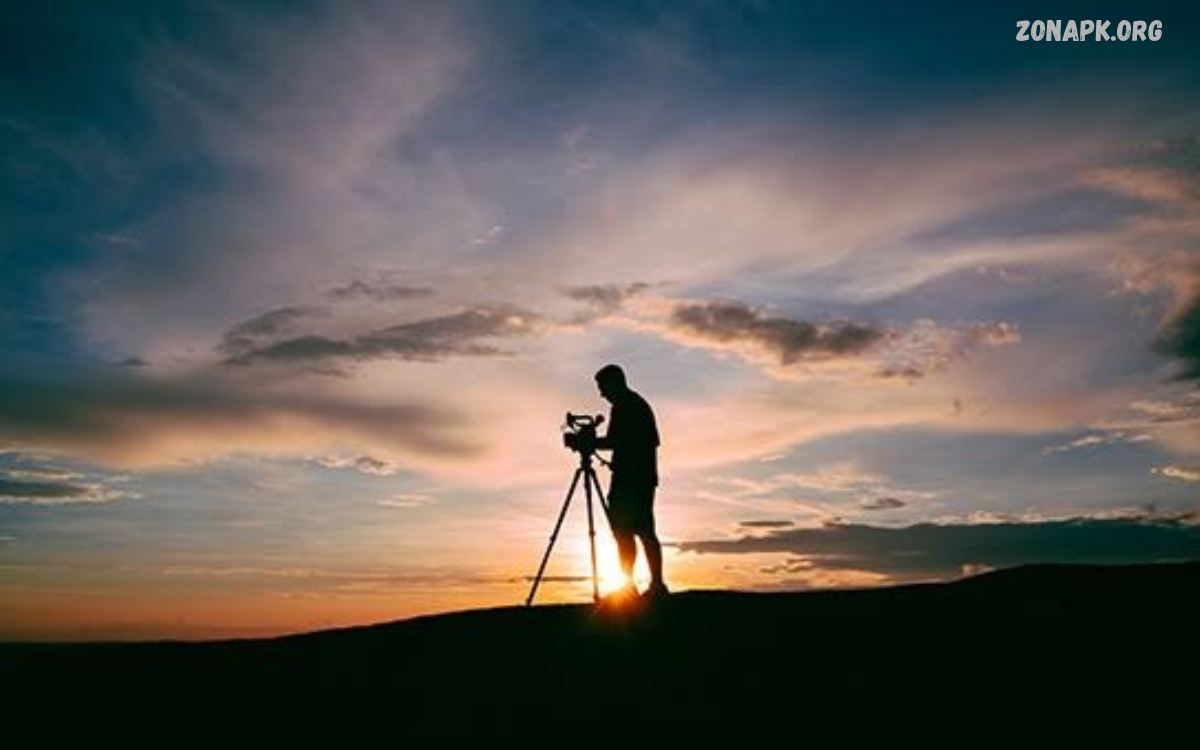
Photography inspiration helps photographers discover fresh ideas, explore creative techniques, and capture meaningful moments. Whether using a smartphone or a professional camera, anyone can develop a unique photography style through practice, observation, and experimentation.
Great photography begins with curiosity. Everyday objects, natural landscapes, city streets, and ordinary moments can become extraordinary photographs when viewed from different perspectives. Exploring new concepts encourages creativity and helps photographers develop confidence behind the camera.
What Is Photography Inspiration?
Photography inspiration refers to ideas, experiences, and visual references that encourage photographers to create interesting images. These ideas may come from nature, architecture, travel, portraits, fashion, emotions, or everyday activities.
Finding inspiration does not require expensive equipment or professional training. Simple changes in lighting, composition, camera angles, and subject selection can transform ordinary scenes into compelling photographs. The key is learning to observe details that others might overlook.
Best Photography Inspiration Ideas
Creative photography ideas help beginners and experienced photographers experiment with different subjects. Exploring various styles can improve technical skills while encouraging personal expression and visual storytelling.
Nature Photography Ideas
<escape> </escape>
Nature offers endless opportunities for photography inspiration, from colorful flowers and towering trees to mountain landscapes and flowing rivers. Photographing natural subjects allows photographers to explore textures, patterns, colors, and changing light throughout the day.
Try capturing raindrops on leaves, sunlight passing through branches, birds resting on trees, or reflections across a lake. Early mornings and late afternoons often provide beautiful lighting that adds depth, warmth, and atmosphere to outdoor photographs.
Street Photography Inspiration
Street photography captures authentic moments in public spaces, including busy markets, quiet alleys, crowded sidewalks, and colorful city streets. Interesting expressions, architectural details, shadows, and everyday interactions can create memorable visual stories.
Walk through familiar neighborhoods and observe how people interact with their surroundings. Experiment with wide shots, close-ups, reflections, and unusual angles to discover fresh perspectives while respecting people’s privacy and local photography rules.
Portrait Photography Ideas
Portrait photography focuses on personality, emotion, expression, and human connection. Strong portraits do not always require professional studios because natural light, simple backgrounds, and relaxed poses can produce attractive results.
Experiment with window lighting, outdoor locations, candid expressions, and different compositions. Encourage subjects to move naturally instead of holding rigid poses, allowing their personalities to appear more clearly in the final images.
Minimalist Photography
Minimalist photography uses simplicity to create powerful visual impact. A single subject, clean background, balanced composition, and limited color palette can communicate an idea without unnecessary distractions.
Look for isolated trees, individual flowers, geometric buildings, or objects placed against plain backgrounds. Negative space can emphasize the main subject and create a calm, elegant appearance that works especially well for artistic photography projects.
Travel Photography Inspiration
Travel photography documents destinations, cultures, architecture, landscapes, food, and memorable experiences. Successful travel images communicate the atmosphere of a place rather than simply recording famous landmarks.
Capture local markets, traditional buildings, street food, scenic viewpoints, and small cultural details. Research destinations beforehand, but remain open to unexpected moments that reveal the authentic character of a location.
Photography Inspiration for Beginners
Beginners can develop photography skills by starting with familiar subjects and practicing consistently. A smartphone camera provides an accessible way to explore composition, lighting, focus, and perspective without purchasing expensive equipment.
Choose one simple subject each day and photograph it in several different ways. Changing the angle, distance, background, or light source can reveal how small decisions influence the final image and gradually strengthen creative confidence.
Practice the Rule of Thirds
The rule of thirds divides an image into nine sections using two horizontal and two vertical lines. Placing important subjects near these lines or their intersections can create balanced compositions and guide viewers through the photograph.
Enable the grid option in your camera settings and use it when photographing landscapes, portraits, and everyday objects. Although this technique provides a useful starting point, experimenting with centered subjects and unconventional framing can also produce striking results.
Experiment With Camera Angles
Camera angles influence how viewers perceive subjects, shapes, and surroundings. Photographing from a low position can make objects appear more prominent, while a high viewpoint can reveal patterns and relationships that are difficult to notice at eye level.
Try photographing familiar objects from above, below, or from the side. Moving a few steps or changing the camera height can create a completely different composition without requiring additional equipment.
Create a Daily Photography Challenge
A daily photography challenge provides structure and encourages consistent practice. Choose themes such as shadows, reflections, colors, textures, motion, or symmetry to develop observation skills and discover new creative possibilities.
Set aside a few minutes each day to capture photographs related to the selected theme. Review your results weekly, identify successful compositions, and experiment with different approaches to improve your visual storytelling.
Understanding Light in Photography
Lighting is one of the most important elements of photography because it influences color, contrast, texture, and mood. Learning to recognize different lighting conditions can improve photographs even when using basic camera equipment.
Observe how sunlight changes throughout the day and how indoor lighting affects subjects. Rather than depending on automatic settings alone, experiment with the direction, intensity, and softness of light to understand its creative possibilities.
Golden Hour Photography
Golden hour occurs shortly after sunrise and before sunset, when sunlight often appears warm, soft, and flattering. These conditions can create attractive portraits, glowing landscapes, and atmospheric outdoor photographs.
Plan outdoor photography sessions around these periods when possible. Position subjects near the sunlight, experiment with backlighting, and observe how warm tones interact with buildings, trees, skin tones, and natural scenery.
Blue Hour Photography
Blue hour occurs around twilight, when the sky develops deep blue tones and artificial lights become more noticeable. This period offers excellent photography inspiration for cityscapes, architectural scenes, bridges, and illuminated streets.
Use a stable camera position and adjust exposure carefully to preserve details in bright lights and darker surroundings. A tripod can help with longer exposures, while smartphone night modes may produce useful results in suitable conditions.
Creative Shadow Photography
Shadows introduce contrast, mystery, geometry, and texture into photographs. Window frames, railings, trees, and buildings can create interesting shadow patterns that change as the light moves throughout the day.
Look for strong sunlight and textured surfaces, then compose images around the shapes created by shadows. Black-and-white editing can emphasize these patterns and create a dramatic visual style without relying on complex equipment.
Composition Techniques for Creative Photography
Composition describes how visual elements are arranged within a photograph. Strong composition helps viewers identify the main subject, understand the scene, and connect with the photographer’s intended message.
Explore techniques such as leading lines, symmetry, framing, balance, and negative space. These methods provide useful creative guidance, but thoughtful experimentation matters more than following every compositional rule in every situation.
Leading Lines
Leading lines guide the viewer’s attention toward a subject or through a scene. Roads, fences, staircases, rivers, and building edges can create natural pathways that add depth and structure to photographs.
Position yourself so these lines lead toward an interesting focal point. Experiment with diagonal, horizontal, and curved lines to discover which arrangement best supports the subject and the story you want to communicate.
Symmetry and Patterns
Symmetry creates visual balance by repeating shapes or arranging elements evenly across an image. Architecture, reflections, tiled floors, bridges, and natural formations offer excellent opportunities to explore symmetrical compositions.
Patterns can also create strong photographs through repetition and texture. Introduce a contrasting element when appropriate to break the pattern and draw attention toward a particular part of the image.
Natural Framing
Natural framing uses objects within a scene to surround or emphasize the main subject. Doorways, windows, tree branches, arches, and gaps between buildings can add depth while helping viewers focus on important details.
Move around the subject until surrounding elements form a balanced frame. Ensure these elements support the photograph instead of distracting from the central point of interest.
Smartphone Photography Inspiration
Smartphone photography makes creative image-making accessible almost anywhere. Modern phones offer useful features such as portrait modes, exposure controls, wide-angle lenses, and computational night photography, depending on the device.
Keep the camera lens clean, tap the screen to focus, and adjust exposure when a scene appears too bright or dark. Avoid excessive digital zoom when possible, and explore different lenses or shooting modes to understand their strengths and limitations.
Use Natural Light With Your Phone
Natural light can significantly improve smartphone photographs, especially portraits, food images, and product pictures. Position subjects near windows or in open shade to achieve softer illumination and more balanced details.
Avoid placing a subject directly beneath harsh overhead sunlight unless you want strong shadows. Rotate the subject or change your position to observe how different lighting directions influence the image.
Explore Macro Photography
Macro-style photography reveals tiny details that are often overlooked, including leaf textures, fabric patterns, water droplets, and small objects. Some smartphones include dedicated macro capabilities, while others can capture close-up details with careful positioning.
Move closer only as far as your camera can maintain sharp focus. Keep the subject steady, use sufficient light, and simplify the background to emphasize the fine details that make close-up photographs interesting.
Photography Inspiration Through Color
Color influences the mood, atmosphere, and visual identity of a photograph. Warm colors can suggest energy and comfort, while cooler colors may create calm, distance, or a reflective atmosphere.
Observe color relationships in clothing, buildings, flowers, food, and landscapes. Experiment with complementary colors, monochromatic scenes, and limited palettes to create cohesive photographs that communicate a clear visual message.
Read Also: Tesla Model 3: Features, Range, Performance, Interior, and Buying Guide
Monochrome Photography
Monochrome photography uses one dominant color or variations of a single hue, while black-and-white photography removes color entirely. Both approaches can emphasize contrast, texture, shape, and emotional expression.
Look for subjects with clear tonal differences, interesting surfaces, or strong geometric structures. Convert selected images to black and white during editing and compare the results with the original to determine which version communicates the subject more effectively.
Color Contrast
Color contrast occurs when different colors create visual separation or emphasize important elements. A bright red object against a green background or a yellow flower against a darker setting can naturally attract attention.
Search for contrasting colors before taking a photograph and arrange the scene to keep the main subject prominent. Avoid adding too many competing colors when a simpler palette would communicate the idea more clearly.
Creative Photography Projects
Personal photography projects help transform inspiration into consistent practice. Instead of taking unrelated pictures, choose a subject or theme and explore it over several days, weeks, or months.
Projects may focus on local architecture, changing seasons, family traditions, everyday objects, or neighborhood life. A defined theme encourages experimentation, creates a coherent collection, and makes progress easier to recognize over time.
A Day in the Life Project
A day-in-the-life project documents ordinary activities through a connected series of photographs. Capture morning routines, familiar places, work or study environments, meals, and evening moments to create a visual record of everyday life.
Think about the order of images and how each photograph contributes to the overall story. Include wide scenes, medium shots, and close-up details to provide variety while maintaining a consistent narrative.
One Subject, Multiple Perspectives
Choose a single subject and photograph it from several distances, angles, and lighting conditions. A building, flower, cup, bicycle, or household object can provide many creative opportunities when examined carefully.
Compare the resulting photographs and identify which perspectives communicate the subject most effectively. This exercise builds observation skills and demonstrates how composition can change the meaning and appearance of an otherwise ordinary object.
Photo Editing Tips for Better Results
Photo editing can refine an image by adjusting exposure, contrast, highlights, shadows, color balance, and sharpness. The goal should be to improve the photograph while preserving important details and maintaining a natural or intentionally creative appearance.
Begin with small adjustments instead of applying every available filter. Compare the edited image with the original, watch for unnatural colors, and develop a consistent editing approach that supports your preferred photography style.
Choose Editing Apps Carefully
Many mobile editing applications offer tools for cropping, exposure correction, color adjustment, and selective enhancement. Choose an app that suits your experience level and provides the controls needed for your photography goals.
Start by learning a few essential features rather than using every tool immediately. Consistent practice with cropping, brightness, contrast, and white balance can produce noticeable improvements without making the editing process unnecessarily complicated.
Develop a Consistent Photography Style
A recognizable photography style may develop through repeated choices involving lighting, composition, colors, subjects, and editing. Some photographers prefer bright natural images, while others explore dramatic shadows, muted colors, or minimalist arrangements.
Review your favorite photographs and identify the visual qualities they share. Use these observations to guide future projects while remaining willing to experiment and allow your style to evolve naturally.
How to Find Photography Inspiration Online
Online photography communities provide access to creative portfolios, tutorials, challenges, and visual references from photographers around the world. Exploring different approaches can introduce new techniques and help you discover subjects worth photographing locally.
Use platforms such as Pinterest, Instagram, photography blogs, and portfolio websites to research ideas. Instead of copying another photographer’s work, identify the lighting, composition, or concept that interests you and reinterpret it in your own way.
Learn From Photography Portfolios
Photography portfolios showcase how photographers organize their work and develop a consistent visual identity. Studying a collection can reveal patterns in framing, lighting, subject selection, and storytelling.
Choose several images that appeal to you and examine why they work. Consider the subject placement, background, colors, and direction of light, then apply one useful technique to an original photograph of your own.
Participate in Photography Challenges
Photography challenges encourage experimentation through themes, deadlines, and shared creative goals. Common challenges include photographing one color, capturing reflections, documenting local places, or creating an image using only natural light.
Participate at a comfortable pace and focus on learning rather than comparing your results with others. Reviewing your own progress over time provides a practical way to measure improvement and discover new interests.
Common Photography Mistakes to Avoid
Common photography mistakes include distracting backgrounds, poor focus, inconsistent exposure, and excessive editing. Recognizing these issues helps photographers make deliberate improvements without needing expensive equipment or complicated techniques.
Before taking a picture, check the edges of the frame, confirm the subject is in focus, and observe the direction of light. Review important images afterward to understand what worked and what could be improved in the next session.
Avoid Overediting Photographs
Excessive editing can produce unnatural skin tones, exaggerated colors, lost details, and distracting contrast. Although creative effects can be useful, every adjustment should support the image’s purpose and intended visual style.
Take a short break before reviewing edited photographs and compare them with the originals. Reducing the strength of filters or correcting extreme adjustments can help preserve a balanced appearance while maintaining the creative effect you want.
Pay Attention to Backgrounds
A distracting background can compete with the main subject and weaken an otherwise strong photograph. Bright objects, cluttered surroundings, and overlapping shapes may draw attention away from the intended focal point.
Change your shooting position, simplify the scene, or move the subject when possible. A cleaner background often improves visual clarity and allows the viewer to understand the photograph more quickly.
Frequently Asked Questions
How Can I Find Photography Inspiration Every Day?
Observe everyday surroundings, explore different lighting conditions, and experiment with familiar subjects. Photography challenges, nature walks, visual journals, and online portfolios can provide fresh ideas while helping you develop your own creative perspective.
What Are the Best Photography Ideas for Beginners?
Nature photography, portraits, street scenes, reflections, shadows, and minimalist compositions are excellent starting points. These subjects encourage experimentation with lighting, angles, and framing without requiring specialized equipment or advanced technical knowledge.
Can I Take Creative Photos With a Smartphone?
Yes, smartphones can capture creative photos with the right lighting, careful composition, and accurate focus. Explore available camera modes, keep the lens clean, and experiment with perspective to discover your device’s capabilities.
How Does Lighting Affect Photography?
Lighting determines how subjects appear through brightness, shadows, contrast, texture, and color. Soft light creates gentle portraits, while directional light emphasizes shapes and surface details for a more dramatic look.
How Can I Improve My Photography Skills?
Practice regularly, study photographs, experiment with camera settings, and review your results. Focus on one skill at a time, such as composition or exposure, and use each photo session as a chance to learn.
Which Apps Help With Photography Inspiration?
Pinterest and Instagram offer visual references, while photo-editing apps help you refine images. Photography tutorials and portfolio websites are also useful resources for learning techniques, exploring styles, and discovering creative project ideas.
Conclusion
Photography inspiration comes from curiosity, observation, experimentation, and consistent practice. Nature, architecture, people, colors, shadows, and everyday activities all offer opportunities to create meaningful images with a smartphone or professional camera.
Keep exploring different subjects, learn from your results, and develop a style that reflects your perspective. With patience and regular practice, ordinary scenes can become compelling photographs that communicate ideas, preserve memories, and express creativity.

1 Comment
Pingback: Unique Photography Artwork: Ideas for Creative Inspiration - Zonapk