

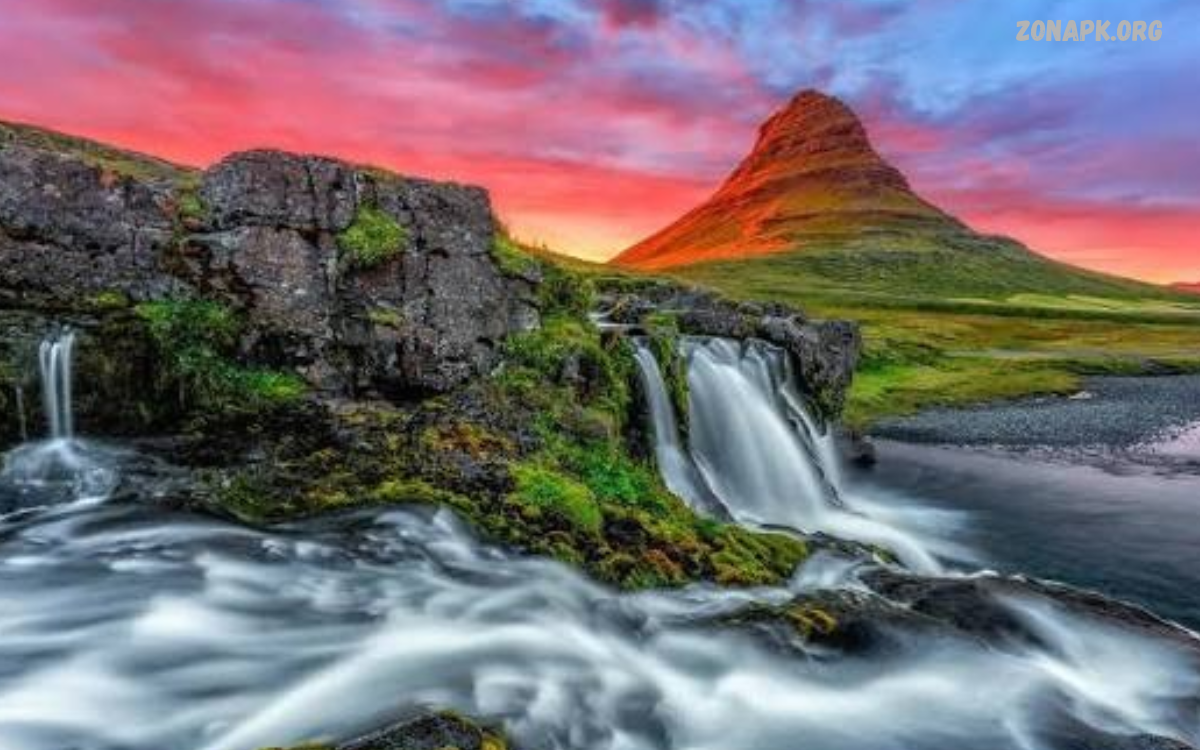
Unique Photography Artwork transforms ordinary images into creative visual experiences. Through composition, lighting, colors, textures, and imagination, photographers create meaningful artwork that captures attention and expresses emotions.
Modern photography combines artistic vision with technical skills. From nature photography to abstract compositions, Unique Photography Artwork helps artists showcase personal perspectives, tell visual stories, and create memorable images for homes, galleries, websites, and digital platforms.
What Is Unique Photography Artwork?
Unique photography artwork refers to photographs created with originality, creativity, and artistic expression. Instead of simply documenting a subject, photographers explore innovative angles, unusual lighting, distinctive colors, and imaginative compositions to produce visually engaging results.
This art form includes fine art photography, conceptual portraits, abstract images, architectural photography, and creative landscapes.
Importance of Creativity in Photography
Creativity helps photographers transform everyday scenes into extraordinary visual compositions. A simple window, an ordinary street, or a flower can become an impressive artwork when captured with thoughtful framing, interesting lighting, and a distinctive artistic approach.
Creative photography also allows artists to develop recognizable styles. Experimenting with perspectives, shadows, reflections, and color combinations encourages original thinking and helps photographers create images that stand apart from conventional photographs.
Popular Styles of Unique Photography Artwork
Fine Art Photography
Fine art photography focuses on artistic expression rather than simple documentation. Photographers carefully select subjects, lighting, composition, and editing techniques to communicate emotions, explore concepts, or create visually balanced images that reflect their creative vision.
Popular fine art subjects include landscapes, portraits, architecture, flowers, and everyday objects. Artists may use minimalist compositions, dramatic shadows, or carefully controlled colors to develop photographs suitable for galleries, exhibitions, and decorative wall displays.
Abstract Photography
Abstract photography explores shapes, lines, colors, patterns, and textures without always presenting recognizable subjects. Photographers experiment with close-up details, reflections, movement, and unusual camera angles to create images that encourage viewers to interpret visual elements personally.
This style offers endless creative opportunities because ordinary objects can appear completely different when photographed from unexpected perspectives. Water droplets, glass surfaces, metal structures, and colorful lights can become fascinating abstract compositions.
Nature Photography
Nature photography captures the beauty of landscapes, plants, wildlife, forests, mountains, oceans, and changing weather. Unique Photography Artwork inspired by nature often combines natural light, carefully selected compositions, and interesting environmental details to create peaceful or dramatic visual experiences.
Photographers can explore golden-hour landscapes, misty forests, colorful flowers, and detailed leaf patterns. Seasonal changes also provide fresh opportunities to capture different colors, textures, and moods throughout the year.
Portrait Photography
Portrait photography highlights personality, expression, mood, and individual character. Creative portraits often use distinctive lighting, expressive poses, environmental backgrounds, and thoughtful compositions to communicate more than a person’s physical appearance.
Artists can experiment with window light, silhouettes, reflections, and contrasting backgrounds to create memorable portraits. Combining storytelling with careful technical choices helps produce photographs that feel personal, expressive, and visually distinctive.
Minimalist Photography
Minimalist photography uses simple compositions, limited colors, negative space, and carefully selected subjects. Removing unnecessary visual elements allows photographers to direct attention toward a single object, shape, texture, or meaningful detail.
This style works especially well for modern interiors, gallery displays, websites, and digital artwork. A lone tree against an empty sky or a small object on a plain background can create a powerful visual statement through simplicity.
Creative Ideas for Unique Photography Artwork
Reflection Photography
Reflection photography uses mirrors, windows, water, and polished surfaces to create interesting visual effects. Reflections can introduce symmetry, duplicate subjects, and combine different environments within a single composition, making familiar locations appear more imaginative.
Photographers can capture city buildings reflected in puddles, colorful landscapes mirrored in lakes, or portraits through reflective glass. Changing the shooting angle helps control distractions and creates more interesting relationships between the subject and its reflection.
Shadow Photography
Shadows introduce depth, contrast, mystery, and dramatic patterns into photographs. Direct sunlight, window light, and artificial lighting can create distinctive shadow shapes that transform ordinary objects into artistic compositions with strong visual character.
Experimenting with shadow length, direction, and intensity helps photographers discover new creative possibilities. Architectural structures, plants, furniture, and human silhouettes can all produce striking images when shadows become the main subject.
Motion Photography
Motion photography captures movement to communicate energy, speed, and atmosphere. Photographers can freeze fast-moving subjects with suitable shutter speeds or use longer exposures to create flowing effects from traffic, waterfalls, moving people, and other dynamic scenes.
Different shutter speeds produce different artistic results. Freezing movement preserves sharp details, while controlled motion blur introduces a sense of movement and visual rhythm that can make photographs more expressive.
Macro Photography
Macro photography reveals intricate details that are difficult to notice with the naked eye. Tiny insects, flower petals, water droplets, fabric textures, and everyday objects become fascinating subjects when photographed from close distances with appropriate focus and lighting.
Creating successful macro artwork requires patience, steady camera handling, and careful attention to depth of field. Natural window light, diffused lighting, and uncluttered backgrounds help emphasize fine details while keeping the overall composition visually appealing.
Essential Photography Techniques
Mastering Composition
Composition determines how visual elements are arranged within a photograph. Techniques such as the rule of thirds, leading lines, symmetry, framing, and negative space help photographers guide attention and establish a clear visual structure.
Strong composition does not always require complicated arrangements. Sometimes, placing one subject away from the center or including an interesting foreground element creates a more balanced and engaging image.
Understanding Lighting
Lighting influences color, contrast, texture, and emotional atmosphere. Soft light creates gentle transitions and flattering portraits, while directional light produces stronger shadows and more dramatic effects that support expressive photographic styles.
Photographers should observe how natural light changes throughout the day. Golden-hour sunlight, cloudy skies, window lighting, and shaded outdoor locations offer different creative possibilities without requiring expensive lighting equipment.
Exploring Camera Angles
Camera angles change how viewers perceive a subject. Low angles can make objects appear powerful, overhead perspectives reveal patterns, and eye-level compositions often create a familiar relationship between the subject and the viewer.
Experimenting with different viewpoints encourages originality. Photographing a common subject from above, below, behind, or through another object can reveal unexpected details and produce distinctive visual results.
Digital Editing for Unique Photography Artwork
Choosing Editing Software
Photo-editing software helps photographers refine colors, adjust exposure, improve contrast, remove distractions, and develop consistent artistic styles. Popular options include Adobe Lightroom, Adobe Photoshop, Snapseed, and other image-editing applications designed for different skill levels.
Beginners can start with basic brightness, contrast, cropping, and color adjustments before exploring advanced tools. Selecting software that matches personal needs and device capabilities makes the editing process easier and more productive.
Color Grading and Visual Style
Color grading changes the overall color atmosphere of an image. Warm tones can create a nostalgic feeling, cool tones may suggest calmness, and high-contrast colors can produce bold, energetic compositions when applied thoughtfully.
Consistent color choices help photographers establish a recognizable visual identity. However, editing should support the original artistic intention rather than overwhelm important details or make every photograph look identical.
Creative Photo Manipulation
Photo manipulation combines multiple visual elements or transforms selected image details to create imaginative artwork. Techniques may include blending photographs, replacing backgrounds, creating double exposures, and combining realistic subjects with conceptual elements.
Successful manipulation requires attention to perspective, lighting direction, shadows, and color consistency. When these elements work together, the final image appears more convincing and communicates the intended creative concept effectively.
Read Also: Photography Inspiration: Creative Ideas, Techniques, and Tips for Better Photos
Equipment for Creating Artistic Photography
Cameras and Lenses
A dedicated camera offers useful controls for exposure, focus, shutter speed, and lens selection. Different lenses support different artistic goals, including wide landscape compositions, detailed macro photography, environmental portraits, and compressed backgrounds.
However, expensive equipment is not essential for creating Unique Photography Artwork. Modern smartphones provide capable cameras, manual controls, portrait modes, and editing tools that allow beginners to experiment with creative photography before investing in additional gear.
Tripods and Lighting Accessories
Tripods help maintain camera stability, especially during long exposures, night photography, macro work, and carefully arranged compositions. Reflectors and diffusers can also improve lighting by reducing harsh shadows or directing available light toward the subject.
Simple accessories can expand creative possibilities without making photography unnecessarily complicated. A stable surface, a window, a white reflector, and thoughtful positioning often provide enough support for many artistic projects.
Displaying Unique Photography Artwork
Wall Art and Home Decoration
Photography artwork can enhance living rooms, bedrooms, offices, studios, and public spaces. Landscapes create a connection with nature, abstract compositions introduce visual interest, and minimalist prints complement interiors with simple decorative themes.
Choosing suitable print sizes, frames, and color palettes helps artwork fit the surrounding environment. High-resolution files and quality printing materials also contribute to sharper details and a more professional presentation.
Digital Portfolios and Social Media
Online portfolios allow photographers to present their work to potential clients, collaborators, collectors, and creative communities. A well-organized portfolio can include selected projects, short descriptions, artistic themes, and contact information.
Social media platforms also help artists share new photographs and discover different creative approaches. Consistent presentation, accurate descriptions, and original images can strengthen an online identity and make photography projects easier to recognize.
How to Develop Your Own Photography Style
Developing a personal photography style requires experimentation, observation, and regular practice. Photographers can begin by exploring several genres, studying composition, and identifying the lighting conditions, subjects, and colors that naturally attract their attention.
Reviewing previous photographs helps reveal recurring creative preferences. Over time, selecting consistent visual themes and refining editing techniques can produce a recognizable artistic direction without limiting opportunities to explore new ideas.
Common Photography Mistakes to Avoid
Overediting, distracting backgrounds, poor focus, and inconsistent lighting can reduce the effectiveness of an otherwise promising photograph. Beginners sometimes add too many effects or increase saturation excessively, making images appear less natural and distracting viewers from the main subject.
Taking time to review composition before shooting can prevent many common problems. Checking focus, simplifying the frame, observing available light, and making subtle editing adjustments usually produces stronger results than relying entirely on filters or complicated effects.
Unique Photography Artwork for Beginners
Beginners can start with accessible subjects such as flowers, household objects, buildings, food, and street scenes. Practicing one technique at a time makes it easier to understand how composition, lighting, camera settings, and editing influence the final photograph.
A simple weekly photography project can encourage consistent improvement. For example, photographers might explore reflections one week, shadows the next, and minimalist compositions afterward, gradually building a collection of original images while developing practical skills.
Future Trends in Photography Artwork
Photography continues to evolve through mobile cameras, computational imaging, digital editing, immersive displays, and new creative technologies. These developments provide artists with additional ways to capture, process, present, and distribute visual work across different platforms.
Despite technological changes, originality, thoughtful composition, and meaningful storytelling remain important qualities. Photographers who combine technical knowledge with personal creativity can adapt to emerging tools while maintaining an artistic perspective that makes their work distinctive.
Frequently Asked Questions
What Is Unique Photography Artwork?
Unique Photography Artwork is creative photographic work that emphasizes originality, composition, lighting, color, and artistic expression. It can include fine art, abstract images, portraits, landscapes, and imaginative digital compositions.
How Can I Create Unique Photography Artwork at Home?
Start by photographing everyday objects near a window, experimenting with shadows, reflections, and different camera angles. Use simple backgrounds and make careful editing adjustments to develop visually interesting images without expensive equipment.
Which Apps Are Best for Photography Artwork?
Adobe Lightroom, Adobe Photoshop, and Snapseed offer useful editing features for color correction, exposure adjustments, cropping, and creative effects. The best option depends on your experience, device, and preferred editing workflow.
Can Smartphone Photography Become Artwork?
Yes, smartphone photography can produce impressive artistic images when combined with good lighting, thoughtful composition, and careful editing. Understanding the subject and experimenting with different perspectives often matters more than owning expensive equipment.
How Can I Sell Photography Artwork Online?
Photographers can explore online art marketplaces, print-on-demand services, personal websites, and photography licensing platforms. Building a strong portfolio, checking platform requirements, and understanding image licensing can help establish a sustainable creative business.
What Makes Photography Artwork Unique?
Original ideas, distinctive perspectives, creative lighting, meaningful subjects, and consistent artistic choices make a photograph unique. A photograph becomes more recognizable when it reflects the photographer’s personal vision rather than simply copying popular styles.
Conclusion
Unique Photography Artwork combines imagination, technical knowledge, and artistic expression to transform ordinary subjects into memorable visual experiences.
Whether using a smartphone or a professional camera, anyone can begin exploring creative photography with simple subjects and consistent practice.

1 Comment
Pingback: Digital Art Inspiration: Creative Ideas, Techniques, and Trends - Zonapk