
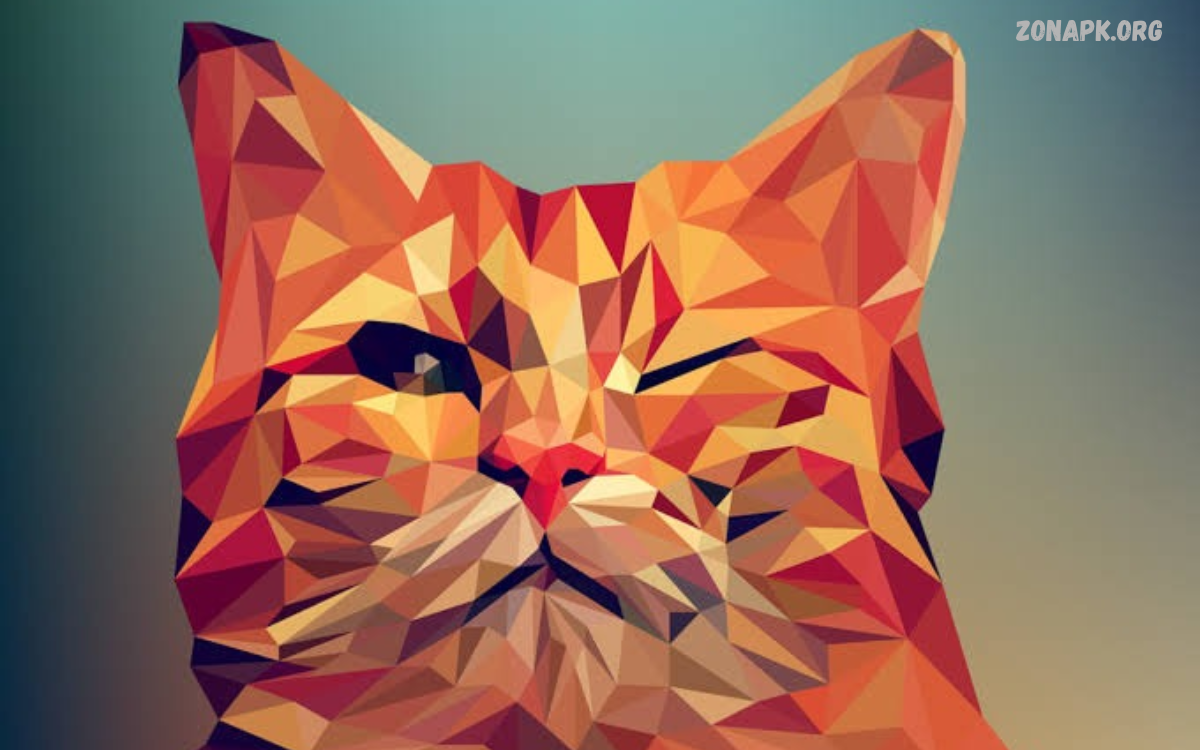
Modern Digital Artwork represents a creative approach to visual expression through digital technology, artistic imagination, and innovative design techniques. Artists use digital tools to create illustrations, abstract compositions, realistic paintings, and visually engaging designs for different audiences.
Modern Digital Artwork continues transforming contemporary creativity by combining traditional artistic principles with advanced software and modern technology.
What Is Modern Digital Artwork?
Modern digital artwork refers to visual creations produced or enhanced through digital devices, software, and electronic drawing tools.
Unlike traditional artwork created primarily with physical materials, digital art offers flexible editing, reusable elements, and convenient experimentation. Artists can adjust colors, modify compositions, combine visual effects, and refine details without recreating an entire piece from the beginning.
Evolution of Modern Digital Artwork
Digital art developed alongside advances in computer graphics, electronic displays, and creative software. Early digital experiments focused on mathematical patterns, geometric forms, and computer-generated imagery, gradually expanding into sophisticated illustrations, animations, and interactive visual experiences.
Modern Digital Artwork now incorporates techniques inspired by painting, photography, sculpture, typography, and three-dimensional modeling. Powerful devices and accessible creative applications allow beginners and professionals to explore artistic styles that once required expensive equipment or specialized technical knowledge.
Key Characteristics of Modern Digital Artwork
Modern Digital Artwork often features innovative compositions, expressive colors, distinctive shapes, and carefully balanced visual elements. Artists may combine minimalism with bold typography, realistic subjects with abstract backgrounds, or traditional painting techniques with contemporary digital effects to produce distinctive results.
Another important characteristic involves adaptability across digital platforms. A single artwork can be transformed into website graphics, social media visuals, presentation backgrounds, digital posters, or decorative prints, allowing artists to communicate ideas across different formats while maintaining a recognizable creative identity.
Popular Styles of Modern Digital Artwork
Minimalist Digital Art
Minimalist digital art emphasizes simplicity, balanced spacing, clean lines, and limited color palettes. Artists remove unnecessary details to highlight essential shapes, meaningful symbols, or a central subject, creating compositions that communicate ideas through carefully selected visual elements.
This style works particularly well for editorial illustrations, branding, modern posters, and website graphics. Minimalist compositions can appear sophisticated without complicated effects, making them useful for designers who want to create visually clear artwork that remains effective across different screen sizes.
Abstract Digital Art
Abstract digital art explores shapes, colors, patterns, textures, and movement without necessarily representing recognizable objects. Artists experiment with unusual combinations, distorted forms, layered gradients, and expressive brushstrokes to communicate emotions or concepts through visual arrangements rather than literal representation.
Modern Digital Artwork frequently incorporates abstract techniques because digital tools make experimentation easier. Artists can duplicate patterns, blend colors, distort shapes, and create complex compositions while maintaining control over individual layers and visual effects.
Surreal Digital Art
Surreal digital art combines familiar objects with imaginative environments, unusual proportions, and unexpected relationships. Artists may place ordinary subjects within dreamlike landscapes or combine unrelated elements to create mysterious compositions that encourage viewers to interpret the artwork personally.
Digital compositing and photo manipulation make surreal artwork especially versatile. Artists can merge photographs, paint additional details, adjust lighting, and modify perspective to create convincing scenes that challenge ordinary expectations and expand the boundaries of visual storytelling.
Futuristic Digital Art
Futuristic digital art explores imagined technologies, advanced architecture, artificial intelligence, outer space, and speculative environments. Metallic surfaces, luminous accents, geometric structures, and atmospheric lighting frequently contribute to a forward-looking appearance.
This style appears in science-fiction illustrations, game environments, technology campaigns, concept art, and digital posters. Artists use perspective, contrast, and detailed textures to communicate technological innovation while creating immersive visual experiences.
3D Digital Artwork
Three-dimensional digital artwork uses modeling, materials, lighting, and rendering techniques to create objects or environments with apparent depth. Artists can design realistic products, imaginative characters, architectural scenes, and abstract sculptures within specialized three-dimensional software.
Modern rendering tools provide greater control over reflections, shadows, surface textures, and environmental lighting. These capabilities help artists develop polished visuals for advertising, product presentations, entertainment, architecture, and experimental digital exhibitions.
Essential Tools for Modern Digital Artwork
Digital Drawing Tablets
Digital drawing tablets allow artists to create artwork using a stylus instead of traditional pencils or brushes. Pressure sensitivity, tilt recognition, and customizable shortcuts can provide greater control over line thickness, brush behavior, and drawing precision.
Some tablets include integrated displays, allowing artists to draw directly on the screen. Other models connect to computers and provide a separate drawing surface, offering different workflows depending on personal preferences, workspace requirements, and creative goals.
Digital Art Software
Digital art software provides essential features for illustration, painting, photo editing, and graphic composition. Common capabilities include customizable brushes, layers, selection tools, blending modes, color adjustment, masking, and advanced transformation controls.
Popular applications include Adobe Photoshop, Procreate, Krita, and Clip Studio Paint. Each application offers different strengths, so artists should evaluate available features, device compatibility, pricing, and learning resources before choosing a suitable creative environment.
Vector Design Applications
Vector design applications create artwork using mathematically defined lines, curves, and shapes. Unlike ordinary raster images, vector graphics can usually scale to different dimensions without losing sharpness, making them valuable for logos, icons, typography, illustrations, and branding materials.
Adobe Illustrator and Inkscape are widely recognized options for vector-based design. Their drawing tools support precise geometric forms, editable paths, gradient effects, and reusable graphic elements that help artists maintain consistency across different projects.
Three-Dimensional Design Software
Three-dimensional design software allows artists to construct digital objects, apply materials, arrange lighting, and render finished scenes. These tools support a wide range of projects, including character design, product visualization, architectural presentations, and experimental digital sculptures.
Blender is a popular option because it supports modeling, sculpting, animation, and rendering within one application. Learning three-dimensional workflows requires practice, but even basic modeling skills can expand an artist’s creative options and introduce new approaches to digital composition.
How to Create Modern Digital Artwork
Develop a Clear Creative Concept
Every successful artwork begins with an idea, subject, or visual objective. Before opening a design application, consider the intended message, target audience, emotional tone, and visual style that best communicates the concept.
Create a short written description or a collection of reference images to guide the process. A clear concept helps artists make consistent decisions about composition, color, texture, lighting, and decorative details throughout the creative process.
Choose the Right Canvas and Resolution
Canvas dimensions and resolution influence how digital artwork appears on screens or printed materials. Social media graphics, website illustrations, desktop wallpapers, and print designs may require different dimensions and technical settings to achieve suitable results.
For screen-based artwork, RGB color mode is generally appropriate, while professional printing commonly uses CMYK workflows according to the printer’s requirements. Selecting suitable dimensions and exporting settings early can reduce quality problems during final delivery.
Build a Strong Composition
Composition determines how viewers perceive the relationships between objects, colors, and empty spaces. Artists can use balance, contrast, alignment, visual hierarchy, and directional lines to guide attention toward the most important elements.
A useful approach involves identifying one primary focal point and arranging supporting elements around it. Carefully controlled spacing and contrast prevent visual clutter, helping Modern Digital Artwork communicate its intended message with greater clarity and impact.
Read Also: Digital Art Inspiration: Creative Ideas, Techniques, and Trends
Experiment With Color Palettes
Color influences atmosphere, emotional expression, and visual recognition. Warm colors can create energetic impressions, while cooler palettes often suggest calmness, depth, or sophistication, depending on the surrounding elements and overall composition.
Artists can begin with three or four complementary colors before introducing additional shades. Testing different combinations and adjusting brightness, saturation, and contrast helps create a consistent visual identity without overwhelming the composition.
Use Layers and Digital Brushes
Layers allow artists to separate backgrounds, objects, shadows, highlights, and decorative elements. This structure makes revisions easier because individual components can be adjusted without directly affecting every other part of the artwork.
Digital brushes offer additional opportunities for creative expression through varied textures, stroke patterns, and simulated traditional media. Experimenting with a limited selection of brushes often produces more consistent results than applying numerous effects without a clear artistic purpose.
Refine Details and Export the Final Artwork
The refinement stage involves correcting proportions, improving edges, adjusting lighting, and removing unnecessary elements. Artists should review the composition at different zoom levels to identify distracting details and confirm that the main subject remains clear.
Before exporting, select an appropriate file format based on the intended use. PNG works well for graphics requiring transparency, JPEG suits many photographic images, and SVG supports scalable vector graphics, while layered project files preserve editable elements for future revisions.
The Role of Color Theory in Modern Digital Artwork
Color theory helps artists understand relationships between hues, contrast, saturation, and visual balance. Complementary colors can create strong separation, analogous colors can establish harmony, and monochromatic palettes can produce cohesive compositions through variations in brightness and intensity.
Understanding color theory also improves accessibility and readability. Artists should ensure important elements remain distinguishable, particularly when creating interface graphics, informational illustrations, or text-based designs that must communicate clearly across different screens and viewing conditions.
Typography in Modern Digital Artwork
Typography introduces structure, personality, and meaning into digital compositions. The choice of typeface, letter spacing, alignment, and text size influences readability while contributing to the overall visual character of posters, advertisements, editorial illustrations, and social media graphics.
Combining typography with imagery requires careful attention to hierarchy and spacing. Artists should choose complementary fonts, maintain sufficient contrast, and avoid excessive decorative lettering when readability matters, ensuring text supports rather than competes with the primary visual elements.
Modern Digital Artwork for Social Media
Social media platforms provide opportunities for artists to showcase portfolios, share creative processes, and connect with audiences. Digital illustrations, animated compositions, themed posters, and distinctive visual experiments can help creators communicate their artistic identity through consistent publishing.
Different platforms may require different image dimensions, cropping strategies, and presentation styles. Artists should prepare adaptable versions of their work, maintain appropriate image quality, and include meaningful descriptions so viewers can understand the concept behind each creative piece.
Modern Digital Artwork in Graphic Design
Graphic designers use digital artwork to develop branding systems, promotional materials, website visuals, packaging concepts, and editorial layouts. Original illustrations can distinguish a project from generic templates while helping businesses communicate their values through recognizable visual elements.
Effective design requires balancing artistic expression with practical communication. Designers should consider audience expectations, brand guidelines, accessibility, and technical requirements to ensure each visual asset serves a clear purpose while maintaining originality and professional quality.
Modern Digital Artwork in Gaming and Entertainment
Digital artwork plays an important role in game development, animation, films, and interactive entertainment. Concept artists design characters, environments, objects, and visual themes that help production teams establish a consistent artistic direction before creating finished scenes.
Artists may specialize in environment design, character illustration, texture creation, visual effects, or three-dimensional modeling. Each specialization requires different skills, but strong observation, composition, storytelling, and visual problem-solving remain valuable across many entertainment-related creative roles.
Artificial Intelligence and Modern Digital Artwork
Artificial intelligence tools can assist artists with idea development, reference exploration, image variations, and certain repetitive production tasks. Depending on the application, these tools may help creators test compositions, explore different visual directions, or develop preliminary concepts before applying their own artistic judgment.
Responsible use requires attention to copyright, licensing, transparency, and the terms governing each tool. Artists should review applicable policies, avoid presenting another creator’s work as their own, and consider how AI-assisted processes fit their personal standards and the expectations of clients or audiences.
Benefits of Creating Modern Digital Artwork
Digital art provides flexibility because artists can revise colors, move objects, experiment with compositions, and save multiple versions of a project. This approach supports creative exploration while reducing the need to restart an entire piece whenever a design decision changes.
Digital workflows also make artwork easier to distribute, reproduce, and adapt for different purposes. Artists can build portfolios, collaborate remotely, prepare client presentations, and develop reusable assets while maintaining organized project files that support future improvements.
Common Challenges in Digital Art
Beginners sometimes struggle with complex software, inconsistent drawing techniques, limited color knowledge, or overly detailed compositions. Trying to master every tool immediately can create unnecessary frustration and distract attention from the fundamental skills needed to produce effective artwork.
A more manageable approach involves practicing one skill at a time, studying basic design principles, and completing small projects regularly. Reviewing previous work helps artists recognize progress, identify recurring weaknesses, and develop a more deliberate creative process over time.
Tips for Improving Digital Art Skills
Consistent practice is one of the most effective ways to improve artistic ability. Artists can study photographs, observe everyday objects, recreate simple compositions for practice, and experiment with different techniques to strengthen their understanding of shape, perspective, lighting, and proportion.
Seeking constructive feedback also helps identify areas that may be difficult to recognize independently. Comparing different versions of an artwork, maintaining a progress portfolio, and studying established design principles can encourage thoughtful improvement without relying entirely on trends or imitation.
Modern Digital Artwork Trends
Contemporary digital art continues exploring immersive visuals, expressive typography, three-dimensional compositions, mixed-media aesthetics, and generative techniques. Artists frequently combine different visual approaches to create distinctive work that reflects changing technologies, cultural influences, and audience expectations.
Trends can provide inspiration, but originality remains important for developing a recognizable artistic identity. Instead of copying every popular effect, artists can selectively adapt relevant techniques while maintaining consistent themes, personal preferences, and a clear understanding of the message behind their work.
How to Build a Modern Digital Artwork Portfolio
A digital art portfolio should present selected projects that demonstrate technical ability, creative thinking, and visual consistency. Including a variety of relevant work can help communicate an artist’s strengths, while short project descriptions explain the concept, process, tools, and decisions behind each finished piece.
Quality matters more than filling a portfolio with every experiment. Artists should choose clear images, organize projects logically, remove outdated examples when necessary, and provide appropriate contact or professional information when using the portfolio to seek commissions, employment, or collaboration opportunities.
Career Opportunities in Digital Art
Digital artists can explore opportunities in illustration, graphic design, animation, game development, advertising, publishing, product visualization, and digital content creation. Career requirements vary, so researching specific roles can help artists identify relevant software skills, portfolio expectations, and areas for further learning.
Freelancers may create commissioned illustrations, marketing graphics, digital portraits, or custom visual assets, while other artists work with studios, agencies, publishers, and technology companies. Building dependable communication skills, meeting project requirements, and maintaining professional work samples can support long-term development in these fields.
The Future of Modern Digital Artwork
Emerging display technologies, accessible creative software, real-time rendering, and evolving AI tools continue expanding the possibilities of digital creation. Artists may increasingly combine static illustrations with animation, interactive experiences, spatial environments, and other forms of digital storytelling.
Despite technological changes, fundamental artistic skills will remain valuable. Observation, composition, color understanding, originality, and thoughtful communication help creators evaluate new tools and use them effectively without losing sight of the ideas that make artwork meaningful.
Frequently Asked Questions
What Is Modern Digital Artwork?
Modern Digital Artwork is visual art created or enhanced through digital devices and creative software. It includes digital painting, illustration, graphic design, abstract compositions, three-dimensional modeling, and other technology-supported artistic forms.
Which Software Is Best for Modern Digital Artwork?
The best software depends on the artist’s goals and preferred workflow. Photoshop supports image editing, Procreate offers a drawing-focused experience on compatible Apple devices, Krita provides digital painting tools, and Blender supports three-dimensional modeling and rendering.
Can Beginners Create Modern Digital Artwork?
Yes, beginners can start with basic drawing applications and gradually develop their skills. Practicing simple shapes, color combinations, composition, and digital brush techniques provides a useful foundation before progressing to more complex projects.
Is Modern Digital Artwork Suitable for Professional Careers?
Yes, digital artwork supports careers in illustration, graphic design, animation, gaming, advertising, publishing, and visual communication. Building a focused portfolio and developing skills relevant to a chosen specialization can improve professional opportunities.
How Can Artists Make Their Digital Artwork Original?
Artists can develop originality by exploring personal interests, studying different artistic traditions, experimenting with composition, and creating their own visual concepts. Using references for learning while respecting copyright and avoiding direct imitation helps establish a distinctive creative identity.
What Is the Difference Between Digital Art and Traditional Art?
Traditional art generally uses physical materials such as paint, pencils, paper, or canvas, whereas digital art uses electronic devices and software. Both approaches involve artistic judgment, composition, observation, and creative expression, and artists can combine them through hybrid workflows.
What Are the Main Trends in Modern Digital Artwork?
Important trends include three-dimensional illustration, minimalist compositions, abstract visuals, immersive environments, mixed-media aesthetics, and AI-assisted experimentation. Artists can explore these approaches while staying original and choosing techniques that fit their creative goals.
Conclusion
Modern Digital Artwork combines artistic imagination with digital tools to create illustrations, abstract compositions, realistic scenes, and innovative visual experiences. Its versatility allows artists to explore personal expression, professional design, entertainment, marketing, and many other creative applications.
Developing strong fundamentals, selecting suitable tools, experimenting thoughtfully, and practicing consistently can help beginners improve their abilities.
