

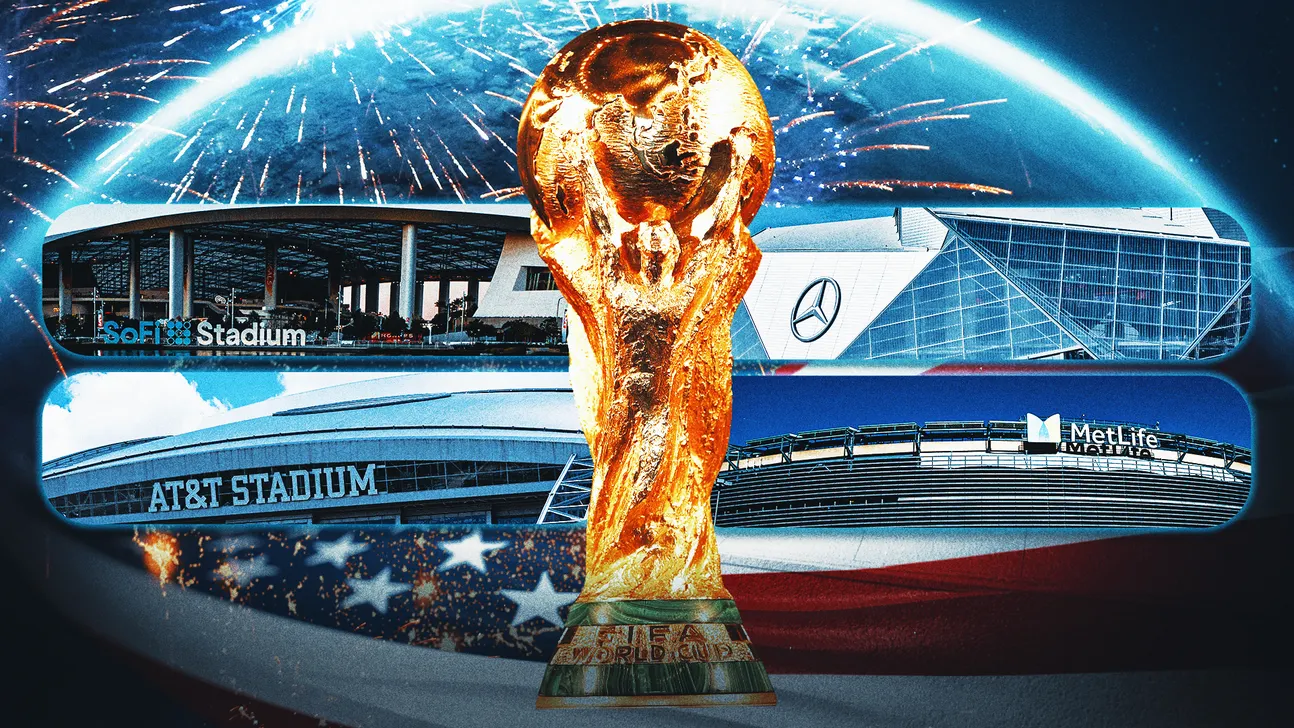
The FIFA World Cup is more than just a tournament; it is a global phenomenon that transcends borders, cultures, and languages. Every four years, the world pauses to witness the pinnacle of athletic competition. However, as we look toward the horizon, all eyes are fixed on a singular event that promises to redefine the landscape of international sports: the world cup 2026. Co-hosted by Canada, Mexico, and the United States, this edition of the tournament is not merely an expansion in size—it is a transformation in scale, accessibility, and cultural significance. By breaking historical molds and embracing a multi-nation approach, the 2026 tournament is poised to be the most impactful sporting event in modern history.
A New Era of Expansion
The most immediate change defining the world cup 2026 is the structural expansion of the competition. For the first time, the tournament will feature 48 teams, up from the traditional 32. This shift is not just about adding more games; it is about democratizing the sport.
- Increased Representation: By expanding the field, FIFA has opened the doors for nations that have historically struggled to qualify, allowing for a more diverse representation of footballing talent from Africa, Asia, and the CONCACAF region.
- More Content for Fans: With 104 matches scheduled, the tournament duration will provide a non-stop festival of football. This ensures that fans across the globe have more opportunities to engage with the sport, creating a sustained “fever” that will last for over a month.
- Strategic Group Stages: The new format, featuring 12 groups of four, ensures that every match remains high-stakes, keeping viewers glued to their screens from the first whistle of the group stage to the final in New York.
A Tri-Nation Powerhouse
Hosting a tournament across three massive nations is an logistical marvel. By utilizing the existing world-class infrastructure of the United States, Mexico, and Canada, the world cup 2026 will benefit from stadiums that are among the largest and most technologically advanced in the world.
The logistical collaboration between these three countries allows for a unique blend of footballing cultures. From the iconic, passionate atmosphere of the Estadio Azteca in Mexico City to the cutting-edge, state-of-the-art arenas in the U.S. and the rapidly growing football culture in Canada, the tournament will offer a diverse experience for traveling fans. For more information on the official developments and host city announcements, you can visit the official FIFA website.
Economic and Cultural Impact
Beyond the pitch, the economic ripple effect of the world cup 2026 will be unprecedented. The sheer volume of international visitors, coupled with the massive media rights deals and sponsorship opportunities, will likely make this the most profitable tournament in history. More importantly, the event serves as a catalyst for urban development and tourism in the 16 host cities.
Culturally, the tournament acts as a bridge. Football is the world’s “universal language,” and by hosting it in North America, FIFA is effectively tapping into one of the largest and most diverse consumer markets on the planet. This will introduce new generations of fans to the beautiful game, potentially cementing soccer as a permanent fixture in the sporting consciousness of North America.
Conclusion
The world cup 2026 represents a bold leap forward for international football. By expanding the number of participating nations, leveraging the expansive infrastructure of three host countries, and tapping into the enthusiasm of a massive, diverse fan base, FIFA is setting the stage for an unparalleled spectacle.
This tournament will be remembered not only for the goals scored or the trophies lifted but for its role in expanding the reach of the sport and uniting the world under a single, shared passion. Whether you are a lifelong supporter or a casual observer, the 2026 tournament is set to be a landmark moment in human history. As the countdown continues, one thing is certain: the world is ready for the biggest, most inclusive, and most exhilarating World Cup we have ever seen.
